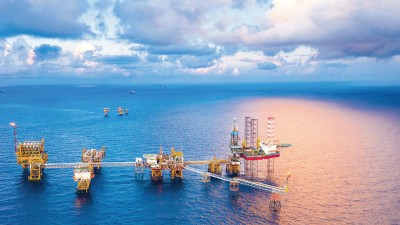
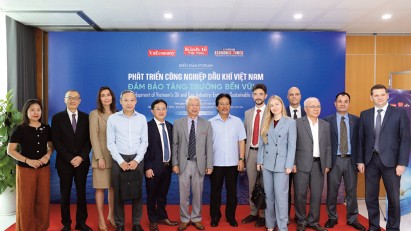
Success and failures from around the world offer Vietnam lessons on the way forward as it refines the institutional framework governing its oil and gas industry.
The Provincial People's Committee announced that the project is expected to include storage facilities with a capacity of 110,000-160,000 cu.m and a pipeline stretching approximately 80-100 km.
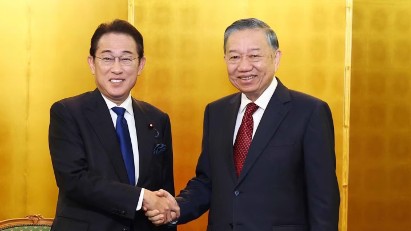
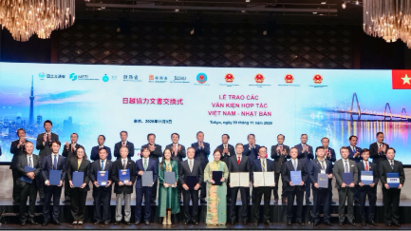
During meetings in Tokyo on November 10 with leaders of the Japanese Communist Party, former Japanese Prime Ministers, former Chairmen of the Japan-Vietnam Friendship Parliamentary Alliance, and governors of several Japanese localities, Party General Secretary and President To Lam of Vietnam proposed promoting four strategic cooperation priorities between Vietnam and Japan.
Through collaboration with CM Plus Corporation (Japan), Mescells|MSC aims to standardize cell production facilities in Hanoi according to Japanese standards, gradually enhancing quality management capabilities, research, and development of cell technology in the field of regenerative medicine.
Vietnam’s oil and gas industry must balance immediate supply security with long-term sustainable development amid a changing domestic and global energy landscape.
The central province has implemented dedicated investor facilitation frameworks, including "24-hour green lanes" and "60% green lanes," aimed at streamlining administrative timelines, lowering compliance costs, and resolving operational hurdles for incoming projects.
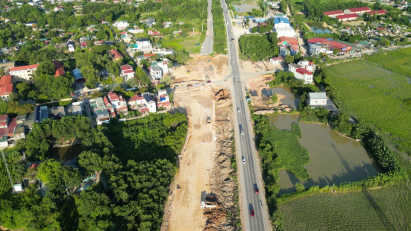
As of November 5, Thanh Hoa Province disbursed VND11.57 trillion (approximately $453.8 million), fulfilling 76.2% of the 2026 public investment capital assigned by the Prime Minister.