According to the Vietnam Meteorological and Hydrological Administration, the emergence of El Niño poses significant challenges, increasing the risk of prolonged heatwaves, seasonal rainfall shortages, and depleted water sources.
The southern city is steering toward a low-carbon economy by integrating climate change adaptation and mitigation solutions into its socio-economic development planning.
By prioritizing these industries, Vietnam aims to enhance its industrial self-reliance and sovereignty while strengthening its position in both domestic and global value chains.
The projected Ninh Thuan 1 and Ninh Thuan 2 nuclear power plants alone will require about 3,900 direct operational personnel by 2030, including 670 experts trained at universities abroad.
The event is held in Ho Chi Minh City as part of Startup Connection Day 2026, a series of activities designed to bridge the innovation ecosystem by fostering collaboration between startups, enterprises, experts, investors, and state management agencies.
The southern city will promote the integration of advanced technologies such as Artificial Intelligence (AI), Big Data, and digital platforms into manufacturing, business operations, and supply chain management.
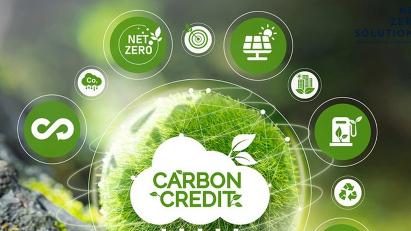
Vietnam has officially introduced a carbon exchange, marking a major step toward its net-zero goals and a market-driven approach to reducing emissions.
By upgrading the Nhue River system, the capital city aims to ensure proactive drainage and prevent flooding in inner-city areas, while progressively finalizing its approved general construction and drainage master plans.