


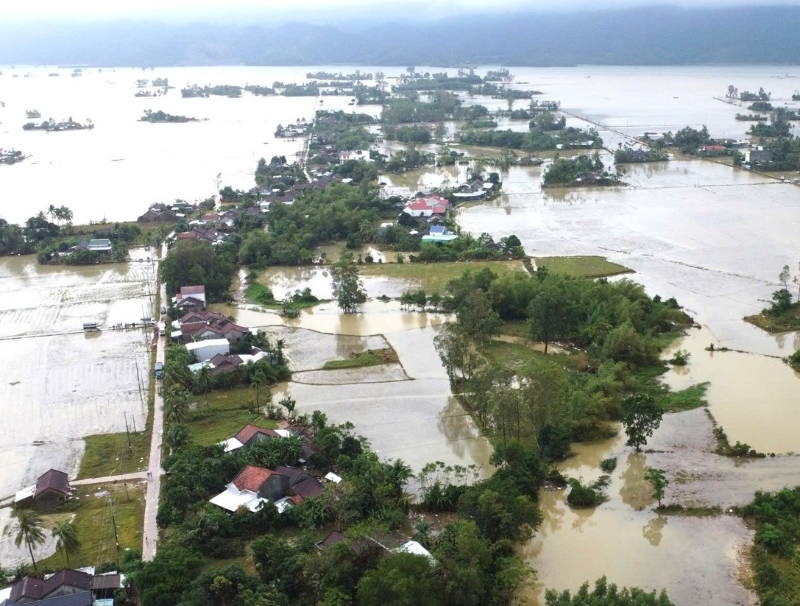
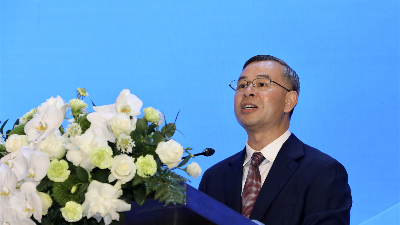
The Government News on January 27 quoted UNESCO Director General Khaled El-Enany as announcing emergency support worth $740,000 to safeguard cultural heritage and sustain education in Vietnam’s communities which had been most affected by natural disasters in 2025.
The UNESCO Director General said, as quoted by the Government News, the recent disasters that struck Vietnam underscore the urgent need to strengthen resilience to climate‑related risks.
UNESCO stands with the government and people of Viet Nam to safeguard their heritage, support the continuity of education, and accompany recovery efforts grounded in knowledge, solidarity, and sustainability, he added.
"Together, we can turn this hardship into an opportunity to build safer and better prepared communities," shared Mr. El-Enany.
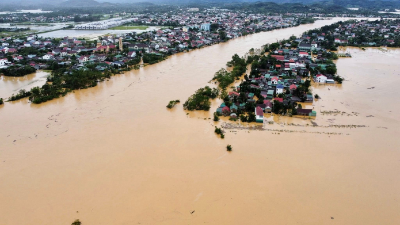
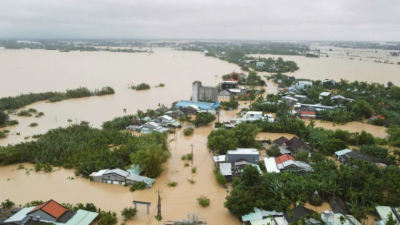
Working with the Ministry of Culture, Sports and Tourism and provincial authorities, and thanks to the support of the Heritage Emergency Fund and the World Heritage Fund, UNESCO is conducting technical assessments and urgent safeguarding measures at the World Heritage sites of Hue and Hoi an in central Vietnam, as well as other cultural sites impacted by flooding and storm damage.
In parallel, UNESCO is supporting risk‑informed, integrated approaches that strengthen preparedness for both tangible and intangible cultural heritage, ensuring communities' traditions and knowledge systems are protected.
In the northern provinces of Cao Bang and Lang Son, UNESCO's education support focuses on rehabilitating safe learning and counselling spaces, replacing essential equipment, and addressing psychosocial needs of students and teachers—especially in vulnerable and ethnic minority communities—to help schools resume learning safely and inclusively.
With funding from Japan, UNESCO will advance science‑based disaster risk reduction in central Nghe a province, including assessments and support for early warning systems and measures that promote safer learning environments. These efforts complement the emergency response while reinforcing long‑term resilience in disaster‑prone areas.
Beyond immediate interventions, UNESCO is actively engaging Member States and partners to mobilize additional resources that will scale recovery and resilience efforts across culture and education in Vietnam.
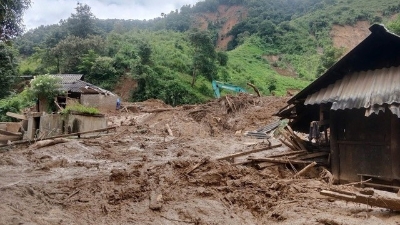
Typhoons Wipha, Bualoi and Matmo left a devastating trail: hundreds of people killed or injured, hundreds of thousands of homes damaged, and nearly 10,000 schools affected nationwide. In response, UNESCO is deploying targeted assistance to help national and local partners stabilize cultural heritage assets and restore learning continuity for children and youth.


 Google translate