Property
Government mandates priority lanes for social and rental housing project approvals
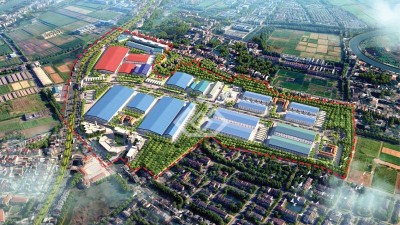
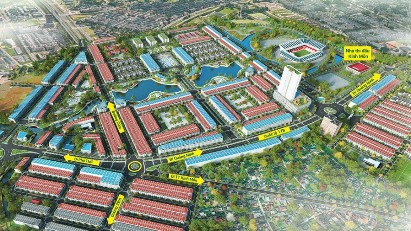
According to the targets set by the Government, from 2026 to 2030, the country will develop over 700,000 social housing units and nearly 200,000 rental units to increase the supply of affordable housing, meeting the significant demand for housing among workers.