


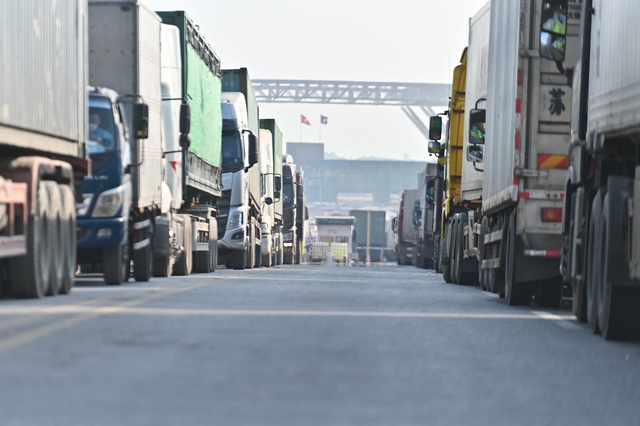
A backlog of imported food is occurring at several border gates as shipments have yet to complete food safety inspections under new regulations. This situation is placing significant pressure on businesses during a period of surging consumer demand ahead of the Lunar New Year.
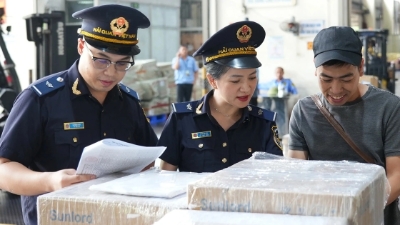
To address bottlenecks in specialized inspections and customs procedures, Vietnam Customs has instructed the directors of regional customs branches to proactively assign staff for round-the-clock shifts. Priority is to be given to the immediate clearance of imported food shipments that have fulfilled all regulatory documentation to minimize congestion and prevent supply chain disruptions.
Regarding data on food backlogged at ports awaiting clearance, Vietnam Customs requires branches to compile and submit reports to the Supervision and Management Board twice daily, at 8am and 1.30pm, to facilitate operational management.
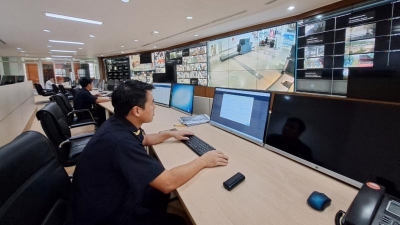
In addition to expediting document processing, units are required to provide regular updates and timely reports on any emerging difficulties in the processing of imported food to ensure prompt resolution. Simultaneously, the Customs IT and Statistics Board has been tasked with ensuring technical staff are on standby to maintain the smooth operation of electronic data processing platforms during this peak period.
According to figures released by Vietnam Customs under the Ministry of Finance, as of January 30, 2026, more than 1,300 vehicles—including trucks and boats—carrying food and fresh agricultural produce were recorded as stranded at land and waterway border gates. These shipments remain uncleared as authorities have not yet had the necessary basis to issue notices confirming the goods are eligible for import.
Feedback from the business community also indicates that the practical implementation of Decree 46/2026/ND-CP has resulted in complications for goods categorized as food-contact tools and packaging.






 Google translate