


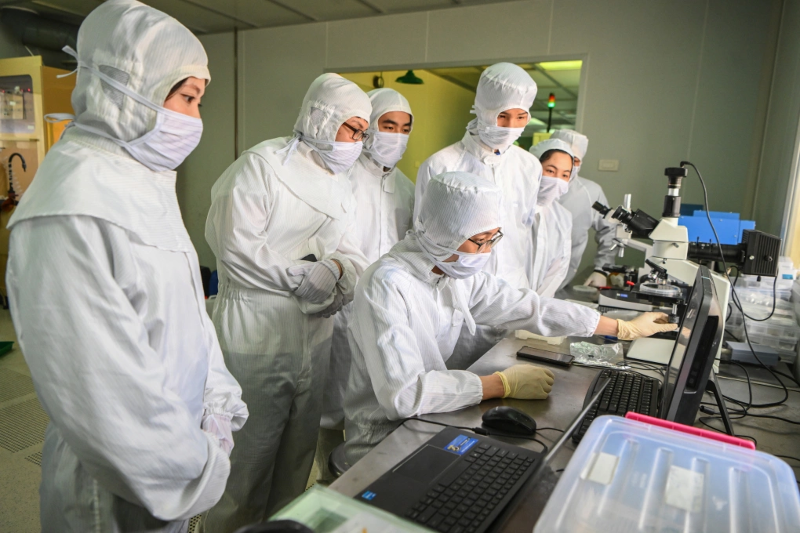
Speaking at a high-level government meeting on October 20, Deputy Prime Minister Ho Quoc Dung requested the Ministry of Science and Technology to coordinate with the Ministry of Finance to allocate 2026 budget funds immediately while formulating financial plans for 2027.
He emphasized that no approved strategic technology project should be left without execution capital.
According to a report by the Ministry of Science and Technology, 23 out of 29 evaluated project proposals met approval criteria as of October 19. Ministries and government agencies have formally approved 17 tasks with a total proposed budget of over VND2.3 trillion ($92 million), of which state funding accounts for more than 65 percent. In addition, line ministries submitted 10 new proposals in September.
The approved and pending projects focus on high-priority sectors, including space, electronics, energy, high-speed rail, healthcare, agriculture, robotics, artificial intelligence, and banking. These are key domains where Vietnam remains heavily dependent on foreign technology and imported equipment, yet possesses a domestic market large enough to build indigenous manufacturing capabilities.
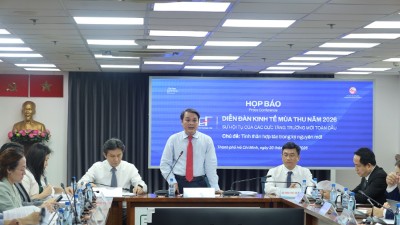
During the meeting, representatives from line ministries raised operational challenges in commercializing research results, establishing core technology criteria, adopting risk-tolerance mechanisms for state-owned enterprises, and setting up specialized testing facilities, such as a national railway testing center.
In response to these concerns, the Deputy Prime Minister tasked the Ministry of Science and Technology with issuing clear regulatory guidance for the special national science, technology and innovation program for strategic technologies by November 2026.
He also urged relevant authorities to review and update rules on sandbox testing environments, technical standards, inspection procedures, and commercial licensing.
The Deputy Prime Minister urged all ministries to act decisively and complete the approval process for remaining proposals within October, aiming for at least 20 tasks to be officially greenlit.
He stressed that the primary objective of these strategic technology initiatives is to resolve national development challenges, enhance productivity, serve citizens and businesses, and drive long-term economic growth.





 Google translate