


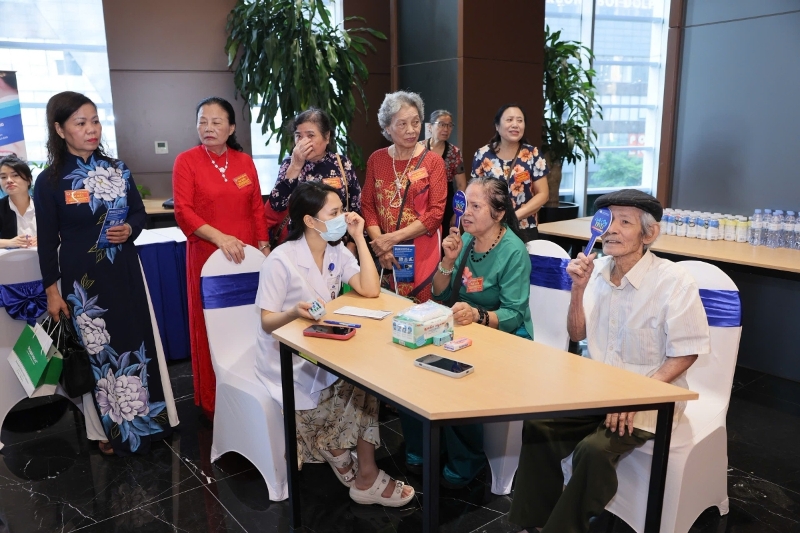
The Ministry of Home Affairs (MoHA) has identified the 'silver economy' as a strategic priority for the third quarter of this year, aiming to harness the potential of Vietnam's aging demographic, converting societal shifts into sustainable economic opportunities.
This project focuses on a fundamental shift in mindset: moving from viewing the elderly as a "welfare burden" to recognizing them as a "development opportunity" and a valuable resource that should be both empowered and cared for.
This move follows Government Resolution No. 109/NQ-CP, issued on April 16, 2026, which tasked the MoHA with leading and coordinating with relevant ministries and agencies to "review, adjust, supplement, and develop new mechanisms, policies, schemes, and plans for the development of the silver economy."
To implement this mandate, the MoHA has requested that relevant agencies focus on two major areas: Evaluating existing mechanisms, policies, and projects related to the silver economy; and suggesting solutions, tasks, and development schemes for the silver economy through 2030, with a vision toward 2045.
The assessment of the current silver economy will be comprehensive, covering various dimensions: public awareness; the scale, quality, and structure of the aging population; the employment needs and labor market participation of the elderly; healthcare and medical services; financial and insurance services; social security; and access to culture, entertainment, tourism, sports, information technology, and infrastructure.
Based on these findings, the MoHA will propose new or adjusted policy frameworks. General solutions will focus on raising awareness, refining institutional frameworks, enhancing communication, and promoting international cooperation.
Specific solutions will be targeted across multiple sectors, including finance, investment, and budgeting; business development; labor and employment; healthcare; education and training; culture and sports; and IT and infrastructure development.



 Google translate