


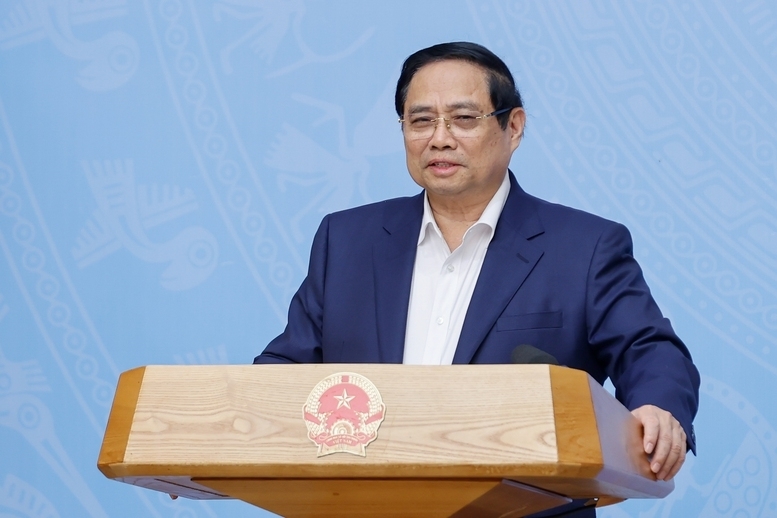
Prime Minister Pham Minh Chinh has described the “silver economy” as a strategic issue for sustainable development, particularly as populations age rapidly around the world, including in Vietnam.
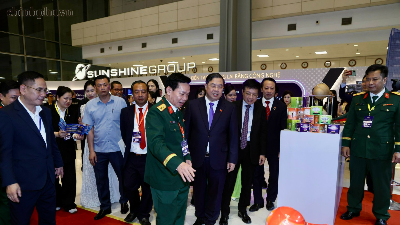
Speaking at a national conference on global silver economy trends and Vietnam’s policy responses on March 11, the Prime Minister said many countries have already shifted their approach to ageing, recognising the silver economy as a new and sustainable driver of growth that is less dependent on external factors.
With the proportion of elderly people steadily increasing worldwide, the silver economy — referring to economic activities and services that cater to older people while harnessing their contributions — is becoming an inevitable development trend, he said.
Vietnam officially entered the ageing phase in 2011 and is experiencing one of the fastest increases in its elderly population. By 2030, the country is expected to have nearly 18 million people aged 60 and above, about four million more than in 2024.
To further develop the silver economy, PM Chinh outlined five key priorities: raising public awareness and reshaping perceptions of ageing; building a comprehensive healthcare ecosystem for older people; encouraging businesses to expand services for the elderly; promoting the social participation of older people; and strengthening the role of the Vietnam Association of the Elderly.
He also highlighted three pillars for advancing the silver economy: placing older people at the centre of policies; positioning businesses as the core force for innovation and implementation while promoting social responsibility and age-friendly workplaces; and ensuring the State develops supportive legal frameworks, incentives and social security systems.


 Google translate