


With a population of over 285 million and surging food demand, Indonesia represents a highly promising market for Vietnamese food enterprises. However, to conquer ASEAN's largest economy, businesses must overcome strict technical barriers, Halal certification requirements, and implement a systematic market entry strategy.
At the workshop "Indonesia Market Trends and Opportunities for Vietnam's Food Industry," organized by the Ho Chi Minh City Investment and Trade Promotion Center (ITPC) on June 24, experts noted that Indonesia is more than just a potential export destination. The country could also serve as a new growth engine for Vietnamese firms amid the current volatility of global trade.
Deputy Director of ITPC Le Anh Hoang stated that with its massive population, Indonesia is the largest economy in Southeast Asia and one of the region’s biggest consumer markets.
"The rapid expansion of the middle class, combined with modern consumption trends, is driving an increasing demand for processed foods, convenience foods, health-conscious products, and items with natural origins," said Mr. Hoang.
Notably, the upcoming upgrade of Vietnam-Indonesia relations to a Comprehensive Strategic Partnership in 2025 is viewed as a vital foundation to further boost trade and investment cooperation between the two nations. Furthermore, bilateral trade turnover has maintained positive growth in recent years, providing a favorable environment for Vietnamese businesses to expand their presence in Indonesia, particularly in the food and consumer goods sectors.
Vietnam’s Trade Counselor in Indonesia Gian The Cuong advised that Vietnamese enterprises should look beyond the total population and instead identify key regional hubs and specific consumer characteristics.
"Java is currently home to about 160 million people—more than half of the national population—while Sumatra has over 60 million. These are the two largest economic and consumer hubs that Vietnamese businesses should focus on first," Mr. Cuong suggested.
In particular, Indonesia’s middle class has reached approximately 47 million people, with over 60% of the total population within the working-age bracket, creating a young and vibrant consumer market. This demographic is the primary target for processed foods, beverages, nutritional products, and modern consumer goods.
According to the Vietnam Trade Office in Indonesia, the country’s total food and beverage market value is currently among the largest in Southeast Asia.
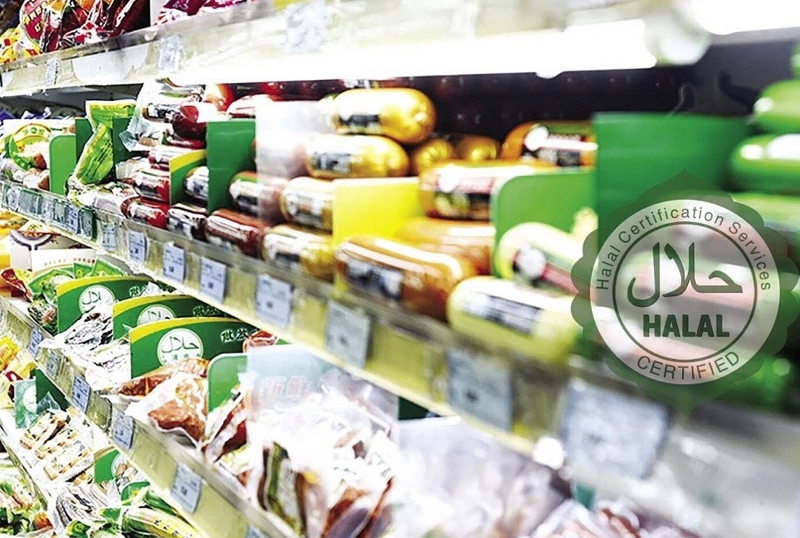
However, Indonesia is not an easy market to penetrate. One of the most significant hurdles today is the requirement for Halal certification. As the world’s largest Muslim-majority nation, Indonesia is progressively refining and tightening regulations regarding Halal certification for food and consumer products.
“Businesses should not view Halal as merely an administrative procedure. In reality, it is a 'passport' that allows products to enter modern distribution systems and build trust with Indonesian consumers,” Mr. Cuong noted.
Beyond Halal requirements, regulations regarding product registration, labeling, and information disclosure are also strictly managed. The majority of imported food products must be registered with the Indonesian Food and Drug Authority (BPOM) before they can be introduced to the market.




 Google translate