



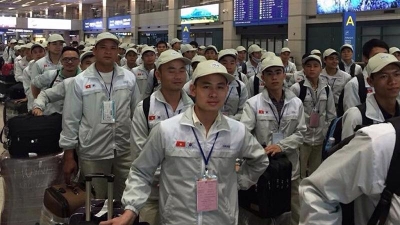
Vietnam sent 66,311 laborers to work abroad in the first six months of 2026. This figure represents 59.2% of the annual target, which aims to dispatch 112,000 workers under contract this year.
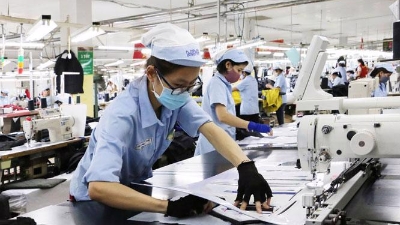
According to a report from the Department of Overseas Labor (Ministry of Home Affairs), Japan continues to be the leading destination, receiving 28,488 Vietnamese workers. It is followed closely by Taiwan (China) with 28,205 workers. South Korea ranked third with 3,373, followed by mainland China (1,946), Singapore (968), and Greece (537), among other markets.
Regarding the Japanese market, Mr. Vu Truong Giang, Deputy Director General of the Department of Overseas Labor, noted that the number of dispatched workers is still on the rise.
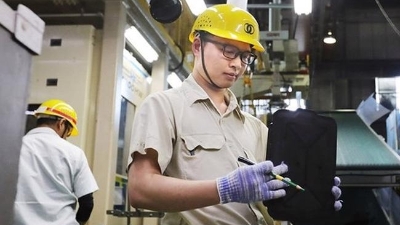
Current statistics show that approximately 480,000 Vietnamese laborers are working in Japan. This workforce includes around 220,000 interns, as well as specified skilled workers and technical personnel. Notably, there are over 100,000 workers under the "engineer" category who enjoy high incomes and the potential for long-term residency.
In total, there are about 680,000 Vietnamese citizens currently living and working in Japan. Japanese authorities have expressed expectations to further increase the number of Vietnamese laborers in the near future.
Despite the high number of workers sent abroad in the first half of this year, there has been an 11.22% decrease compared to the same period in 2025 (which saw 74,691 workers dispatched).
Explaining this trend at a press conference on June 19, Mr. Giang attributed the decline to several factors.
Most significantly, recruitment volumes are dictated by the receiving markets. Many traditional markets have recently scaled back their recruitment—a challenge not only for Vietnam but also for other countries in the region.
Furthermore, political instability and conflicts in various parts of the world have impacted labor reception. Some countries that typically receive large numbers of Vietnamese workers are located in affected zones, making it more difficult for businesses to send laborers abroad.
Additionally, the influx of migrants from politically unstable regions into key labor markets has led some employers to reduce their recruitment of foreign workers from other sources.




 Google translate