


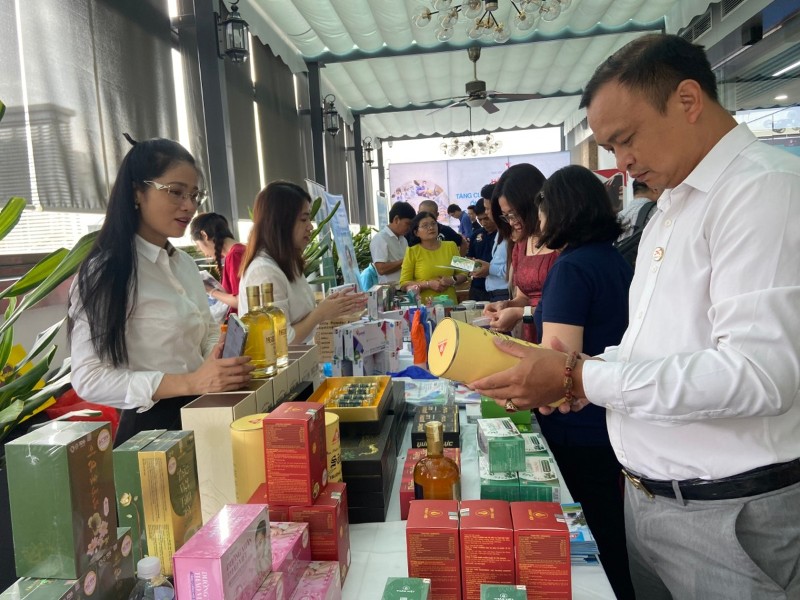
The rapid growth of cross-border e-commerce and social media has fundamentally changed consumer behaviour, creating new opportunities for Vietnamese businesses to expand their markets and secure more sustainable sales channels, experts said at a reccent seminar on multichannel market development.
Speaking at the event, titled “Developing Multichannel Markets – Solutions for Sustainable Market Expansion for Vietnamese Goods”, Mr. Le Hoang Tai, Deputy Director of the Vietnam Trade Promotion Agency under the Ministry of Industry and Trade, said integrating multiple sales channels could help businesses reach more consumers while maintaining stable outlets amid market fluctuations.
Assoc. Prof. Dr. Bui Quang Tuan, Vice President of the Vietnam Economic Association, said digital transformation and multichannel development were reshaping distribution systems, creating new sales channels and reducing reliance on traditional intermediaries.
These opportunities span six main areas: e-commerce, social commerce, direct-to-consumer (D2C) sales, omnichannel retail, cross-border trade and digital services.
Mr. Tran Dinh Toan, head of the Cross-border E-commerce Division at the Vietnam E-commerce Association (VECOM), estimated that Vietnam’s e-commerce market could reach approximately $31 billion, with annual growth exceeding 25%.
Six common e-commerce-based sales models include business-to-business (B2B), business-to-consumer (B2C) and D2C, B2B2C, social commerce, data intelligence and corporate websites. These digital models help businesses reach consumers directly, find international partners, forecast demand and analyse competitors.
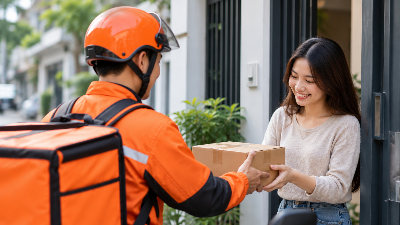
However, challenges remain. Many agricultural and other products listed on online marketplaces or stocked by supermarkets struggle to generate repeat orders because of inconsistent product aggregation, high logistics costs and poor data connectivity.
To address these barriers, speakers recommended four priorities: developing integrated omnichannel distribution; strengthening branding and AI-powered digital marketing; building digital logistics systems linking inventory management with product traceability; and expanding cross-border e-commerce alongside product standardisation.



 Google translate