


Deputy Prime Minister Ho Quoc Dung has signed Prime Ministerial Decision No. 46/2026/QD-TTg, introducing official guidelines to identify green and circular-compliant projects and regulate the application of ESG standards across key economic sectors in Vietnam.
Under the new regulations, a project is classified as “green” if it belongs to designated sectors, aligns with sustainability objectives, and meets specific statutory requirements. An attached framework sets out technical parameters across multiple industries, including 10 sub-sectors in energy, three in transport, two in construction, three in water resources, 12 in agriculture and biodiversity, six in manufacturing, and nine in environmental services.
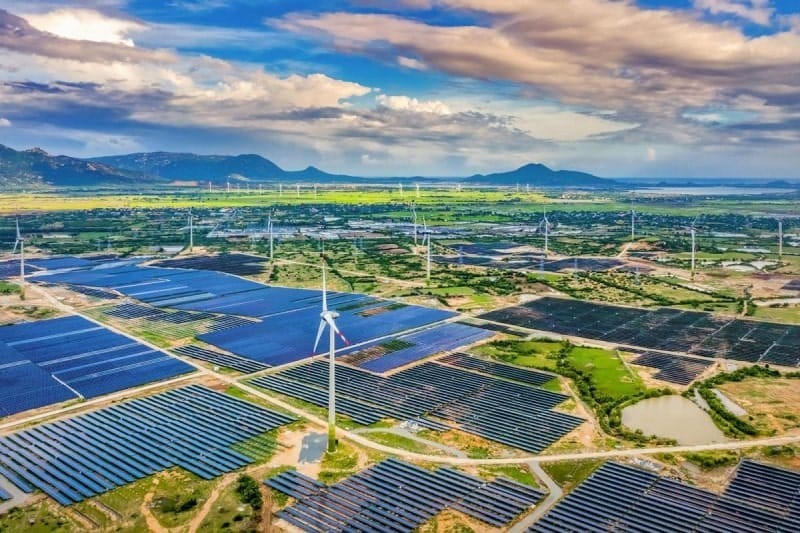
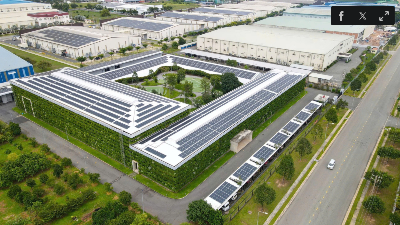
In the energy sector, solar power installations must meet efficiency and equipment certification standards, alongside extended producer responsibility for recycling. Power generation using renewable or new energy sources - such as geothermal, biomass, wave energy, green hydrogen, and green ammonia - must satisfy clear environmental benchmarks. High-tech battery manufacturing requires recognized eco-labels, the use of recycled inputs, and strict waste management compliance.
For transportation, eligibility extends to low- or zero-emission vehicle fleets, electric vehicle charging infrastructure, and clean energy supply services. In construction, projects must secure accredited green building certificates and adopt low-GWP (Global Warming Potential) and low-ODP (Ozone Depletion Potential) refrigerants.
Meanwhile, manufacturing projects covering energy-efficient machinery, electronics, and eco-friendly packaging must hold valid energy or eco-labels or comply with circular standards in export markets. Environmental service projects must meet minimum waste recycling ratios and limit landfill disposal.
The decision also details criteria for circular economy projects, spanning circular design, extended product lifespans, resource recovery, and industrial symbiosis. Green or circular status must be verified by an independent assessment body.
Additionally, project developers - including enterprises, household businesses, and individual traders - are required to compile and submit ESG compliance reports. Reaching certified green or circular status alongside verified ESG disclosures will serve as the official foundation for businesses to qualify for state interest rate support.




 Google translate