


Many new regulations on agricultural land use tax, minimum regional wage and technology transfer for railway projects have been effective since January 1, 2026, according to the Government News.
Decree No. 292/2025/ND-CP dated November 6, 2025 guides the implementation of the National Assembly's Resolution No. 216/2025/QH15 dated June 26, 2026 on extension of deadline for payment of agricultural land use tax.
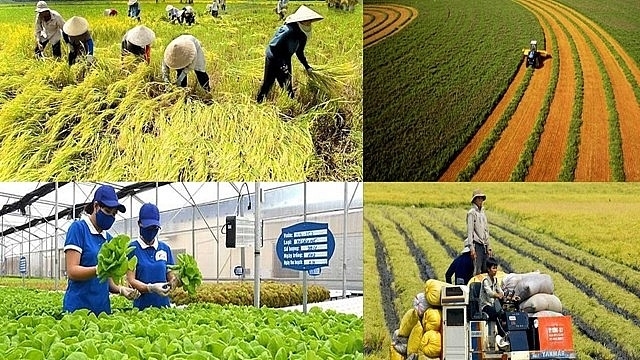
Under the new Decree of the Government, agricultural land use tax shall be exempted for land areas designated for research and experimental production; for land areas used for annual crops; and for salt production. Agricultural land use tax shall also be exempted for poor households
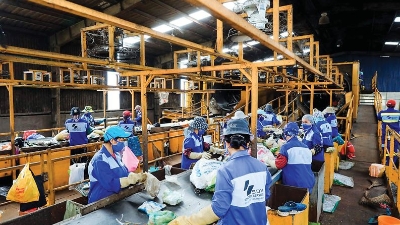
According to the Government's Decree No. 293/2025/ND-CP, dated November 10, 2025, minimum monthly regional wages for workers working under labor contracts shall be increased.
Accordingly, the monthly minimum wage in region I shall be increased by VND350,000 to VND5,310,000; in region II by VND320,000 to VND4,730,000; in region III by VND280,000 to VND4,140,000; and in region IV by VND250,000 to VND3,700,000.
Meanwhile, the hourly minimum wages shall be increased to VND25,500 from VND23,800 for region I; to VND22,700 from VND21,200 for region II; to VND20,000 from VND18,600 for region III; and to VND17,800 from VND16,600 for region IV.
The technology transfer for railway projects will be regulated by the Government in its Decree No. 319/2025/ND-CP dated December 12, 2025.
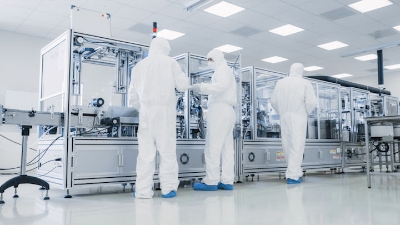
Under the decree, organizations, including enterprises, will be allowed to receive technology transfer for railway projects, if they meet the following conditions:
- They have been established in accordance with Vietnamese legislation;
- Their business lines must be compatible with transferred technologies;
- They must have enough facilities to receive, install transferred technologies;
- They shall have financial capacity to cover costs for receiving transferred technologies;
- They shall have staff capable of mastering transferred technologies;
- They shall have to commit to receiving transferred technologies; and
- They shall have experience in global technology transfer.


 Google translate