


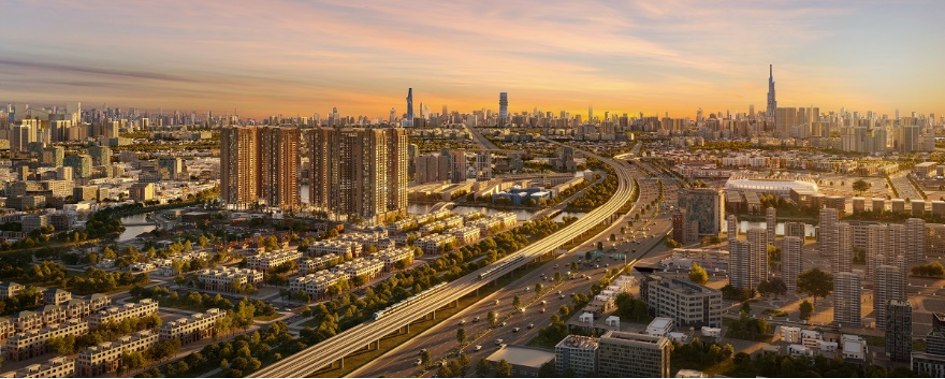
Waterfront properties are widely regarded as a rare commodity. Developments that combine a compound model with a riverside location in the heart of Ho Chi Minh City are even scarcer. As a result, projects situated along a “golden land strip” adjacent to the Ho Chi Minh City International Financial Center are increasingly viewed as exceptional within the urban real estate market.
New residential magnet
As Ho Chi Minh City continues its transformation into a megacity, it is gradually adopting a multi-center, multi-polar development model similar to that of many major global cities. Within this structure, Thu Thiem is positioned as the “center of the center,” where international financial institutions, strategic infrastructure corridors, and long-term investment capital are expected to converge for years to come. As this core area expands eastward, Nam Rach Chiec has emerged as a direct beneficiary, becoming one of the few remaining “golden land strips” adjacent to Thu Thiem that can be developed in line with new urban standards.
The appeal of real estate in Nam Rach Chiec extends beyond location to include rapidly advancing infrastructure. Key transport projects - such as the Ho Chi Minh City-Long Thanh-Dau Giay Expressway expansion, Ring Road 3, Hanoi Highway-Mai Chi Tho Avenue, the metro system, and the North-South high-speed railway - are gradually being completed. Together, these networks are improving connectivity across the eastern area and strengthening links within the broader region.
This synchronized infrastructure development is laying the foundation for a more sustainable growth cycle, offering development potential that compares favorably with older central districts. At the same time, the market is experiencing a clear shift in population patterns. Since 2021, high-income residents, particularly foreign experts and knowledge workers, have increasingly moved from southern districts to the east, attracted by a newer ecosystem of amenities and convenient access to the Ho Chi Minh City International Financial Center in Thu Thiem. Competitive rental levels and relative market stability have further contributed to the area’s appeal among affluent residents in recent years.
These trends are supporting the formation of a more refined residential community in Nam Rach Chiec, often compared to the early development of Thao Dien, but with more synchronized planning and a more stable living environment. As land supply in the urban core becomes increasingly constrained and central real estate prices continue to rise, projects in Nam Rach Chiec, including The Privé, are gradually becoming limited assets attracting sustained market interest.
Three layers of real value: rare - beautiful - sustainable
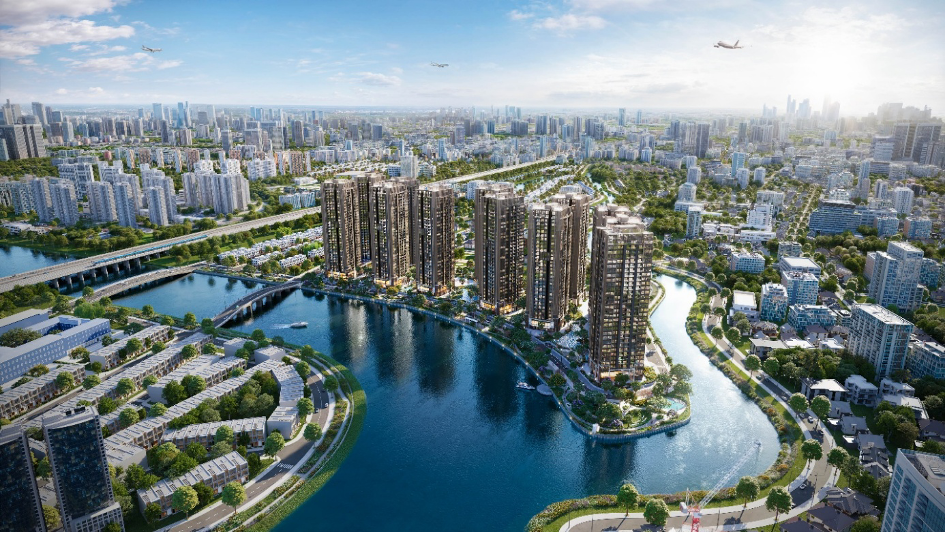
One of the core factors behind the appeal of The Privé is its scarcity. Riverside land in the inner areas of Ho Chi Minh City has nearly reached its limit, leaving few opportunities for new developments. In a market where supply is not expanding, properties that combine riverside locations with compound-style planning tend to see value appreciation over time. For this reason, centrally located riverside real estate is often regarded as an asset class with long-term accumulation potential.
The project’s value is also linked to its accessibility. From the site, future residents can reach key business, education, and entertainment districts of Ho Chi Minh City within approximately 30 minutes, an increasingly important travel radius for urban lifestyles. Once the Ho Chi Minh City International Financial Center becomes fully operational, the surrounding area is expected to serve as a hub for sectors such as finance, insurance, and technology, offering proximity to a high-quality employment ecosystem.
Beyond location, The Privé emphasizes what developers describe as comprehensive “aesthetic quality,” from its riverside setting that follows the natural flow of the river to its carefully coordinated planning. Riverside environments are associated with distinct microclimate benefits, including moderated temperatures, higher natural humidity, and generally more comfortable living conditions, contributing to a calmer residential atmosphere.
Architects and environmental specialists note that riverside residential areas often benefit from higher concentrations of negative ions, which may help improve air quality and support well-being. Water surfaces can also act as a natural buffer, reducing noise and limiting dust from surrounding urban activity. The interaction between architecture, landscape, and natural elements is intended to create a balanced environment that supports both physical and mental relaxation.
In the longer term, the sustainability of The Privé is closely linked to the pace of development in Thu Thiem, as well as the growth of technology clusters and inflows of foreign direct investment. These factors are driving demand for high-end housing, particularly among international professionals who prioritize privacy, security, and quality living environments. This demand underpins both residential stability and long-term leasing potential.
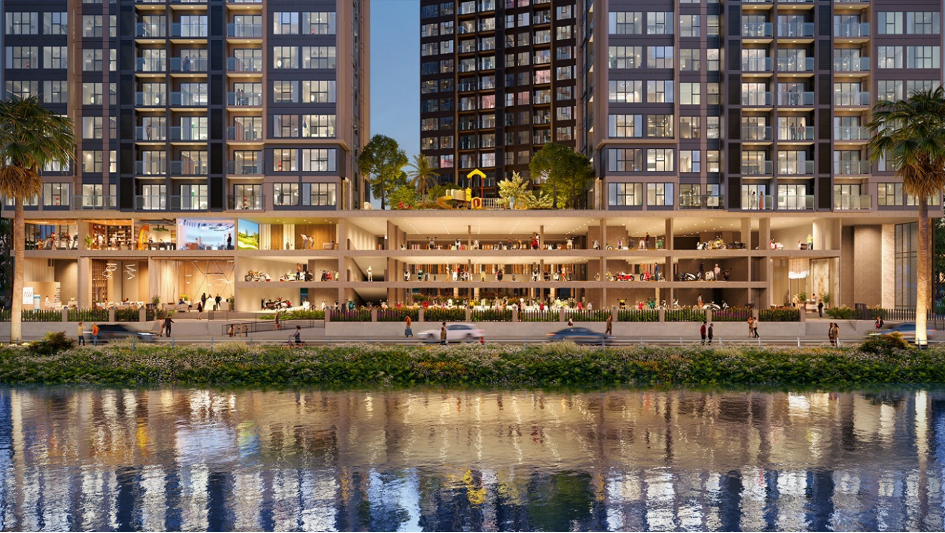
The project also seeks to balance privacy with accessibility, offering a secluded riverside compound while remaining only minutes from major economic, commercial, and cultural centers. This combination of seclusion and connectivity is often cited as a key factor supporting long-term value for both residents and investors.
“Land in the suburban areas can still be expanded, but land in the city center cannot.” The limited availability of riverside land in the urban core continues to shape the market for distinctive developments. As one of the few projects featuring a riverside compound model in central Ho Chi Minh City, The Privé is positioned as a rare asset, valued not only for its lifestyle attributes but also for its long-term and generational investment potential.
Further details on the project’s design and positioning are available on the official website: https://theprive.vn
 Google translate