


Amid global economic volatility, sustainable development is no longer a peripheral corporate social responsibility choice; it has evolved into a core capability shaping business resilience and long-term competitiveness. The more than three-decade journey of the TCP Group in Vietnam offers practical insights into how a multinational enterprise aligns closely with the strategic priorities of its host nation.
Aligning business resilience with national priorities
Vietnam’s National Green Growth Strategy for the 2021-2030 period, with a vision toward 2050, emphasizes that green growth is essential to economic restructuring, enhancing national competitiveness, and strengthening resilience against external shocks. This transformation marks a new era where economic efficiency must advance hand-in-hand with environmental sustainability and social equity.
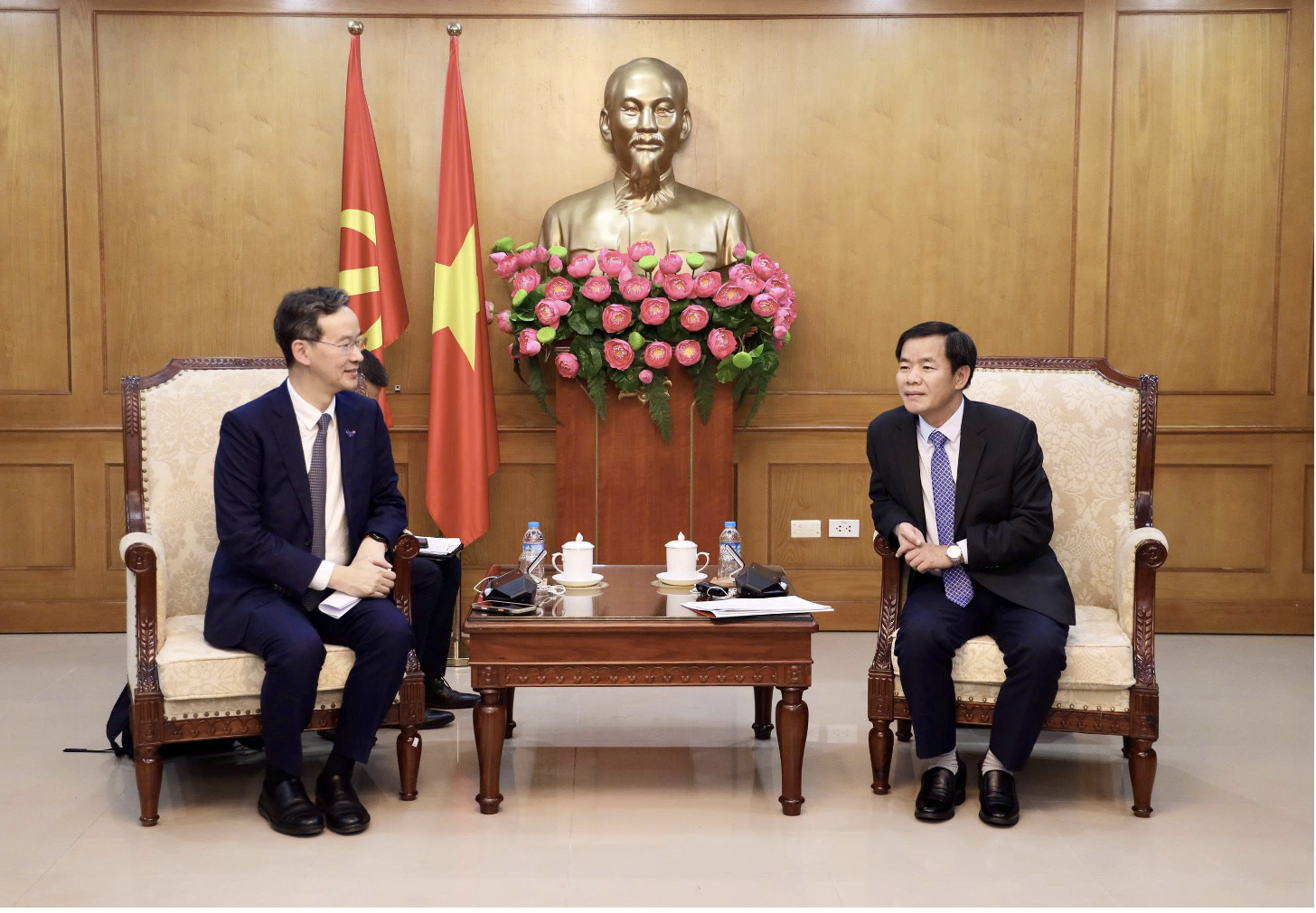
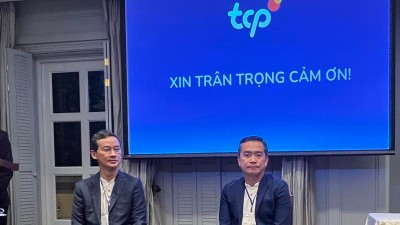
This strategic orientation was the central theme of a high-level meeting held in Hanoi on the afternoon of October 23, between Mr. Saravoot Yoovidhya, CEO of the TCP Group, and Mr. Nguyen Van Phuong, Member of the Central Committee of the Communist Party of Vietnam and Deputy Head of the Central Commission for Policy and Strategy (CCPS). Taking place in a milestone year marking 50 years of Vietnam-Thailand diplomatic relations and more than three decades of TCP’s product presence in Vietnam, the dialogue provided comprehensive perspectives on the role of FDI enterprises in Vietnam’s new stage of growth.
The enduring prosperity of an international enterprise is inextricably linked to the intrinsic strength of its host market. With Vietnam and Thailand elevating bilateral ties to a Comprehensive Strategic Partnership, the “Three Connects” strategy - connecting supply chains, local economies, and sustainable growth strategies - has become a guiding compass for substantive cooperation between the two business communities, driving toward the shared goal of $25 billion in balanced bilateral trade.
Three strategic shifts shaping long-term competitiveness
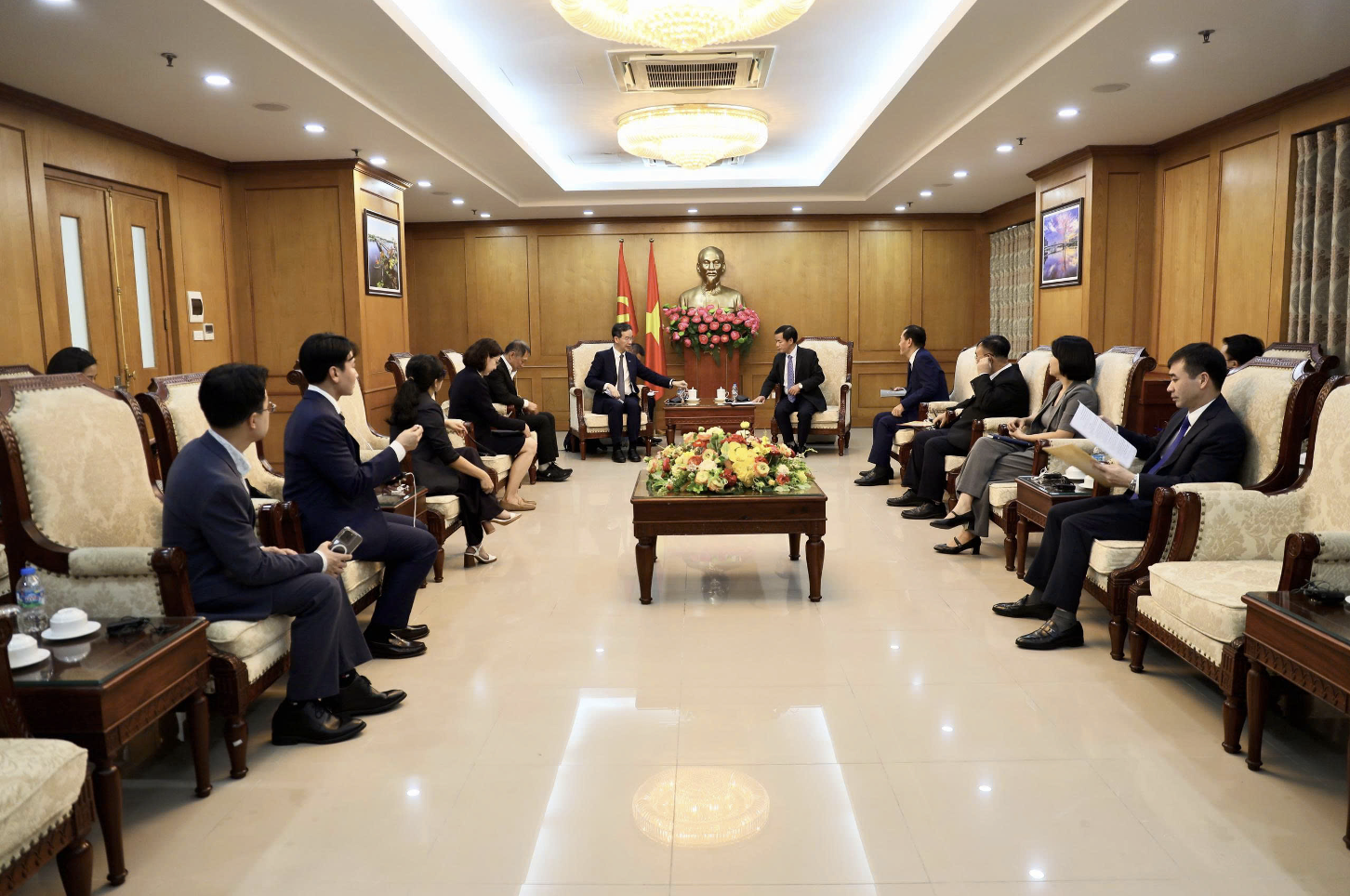
Practical takeaways from this policy dialogue and TCP’s development journey illuminate three key strategic shifts that the business community is embracing to navigate evolving developmental imperatives:
First is the shift in investment approach: Moving from optimizing short-term financial returns toward building foundations for lasting value creation. This philosophy fully aligns with Politburo Resolution No. 10-NQ/TW, issued on June 8, 2026, on the development of the foreign-invested economic sector, which prioritizes investment quality, domestic value-added, green transition, and stronger links with local enterprises. During the meeting, Mr. Phuong emphasized that Vietnam welcomes long-term investors committed to local value chains and domestic innovation ecosystems.
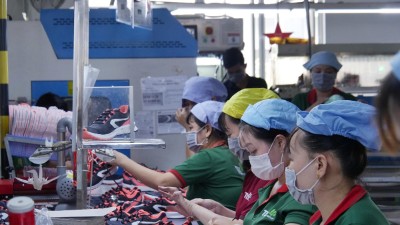
In response, the CEO of the TCP Group highlighted substantive advancements: the production capacity of its local factory has doubled since 2022, while its distribution network now spans over 100,000 points of sale, supporting approximately 750 employees across its operations and joint ventures. Looking ahead, the Group plans to further expand its investment in Vietnam over the next three years. Emphasizing that “this is just the very beginning of our investment,” TCP leadership affirmed its long-term commitment to nurturing local talent and expanding domestic production capabilities.
Second is the shift in operational management: Embedding sustainability criteria across the entire supply chain and commercial operations rather than treating them as standalone initiatives. TCP leadership highlighted concrete milestones connecting the Group’s sustainability goals with local actions. At the Group level, TCP is advancing its “Innovation for Sustainable Growth” pillar, striving for 40 per cent of products sold to be low- or zero-sugar and achieving 100 per cent recyclable packaging. By 2030, we aim to achieve net water positive and by 2025 to reach net-zero emissions.
The CCPS leadership recognized the strong alignment between this roadmap and Vietnam’s green consumption agenda, noting that proactive integration of sustainability criteria enhances corporate risk management and policy adaptability.
Third is the shift in partnership building: Transitioning from transactional sponsorships toward Creating Shared Value (CSV). When businesses, regulatory authorities, and socio-political organizations collaborate to address shared community challenges, economic resources and social impact are maximized. This represents the steadfast approach TCP has pursued over the past seven years alongside the Central Committee of the Vietnam Youth Federation: caring for the lives of more than 150,000 young workers, including free healthcare support for over 51,500 workers; honoring 188 young role models who live positively, nobly, and responsibly; providing livelihood support for 287 youth role models with disabilities; and completing 22 Community Sports Yards within 2026. Merging corporate capabilities with grassroots insights has generated deep, sustainable social resonance.
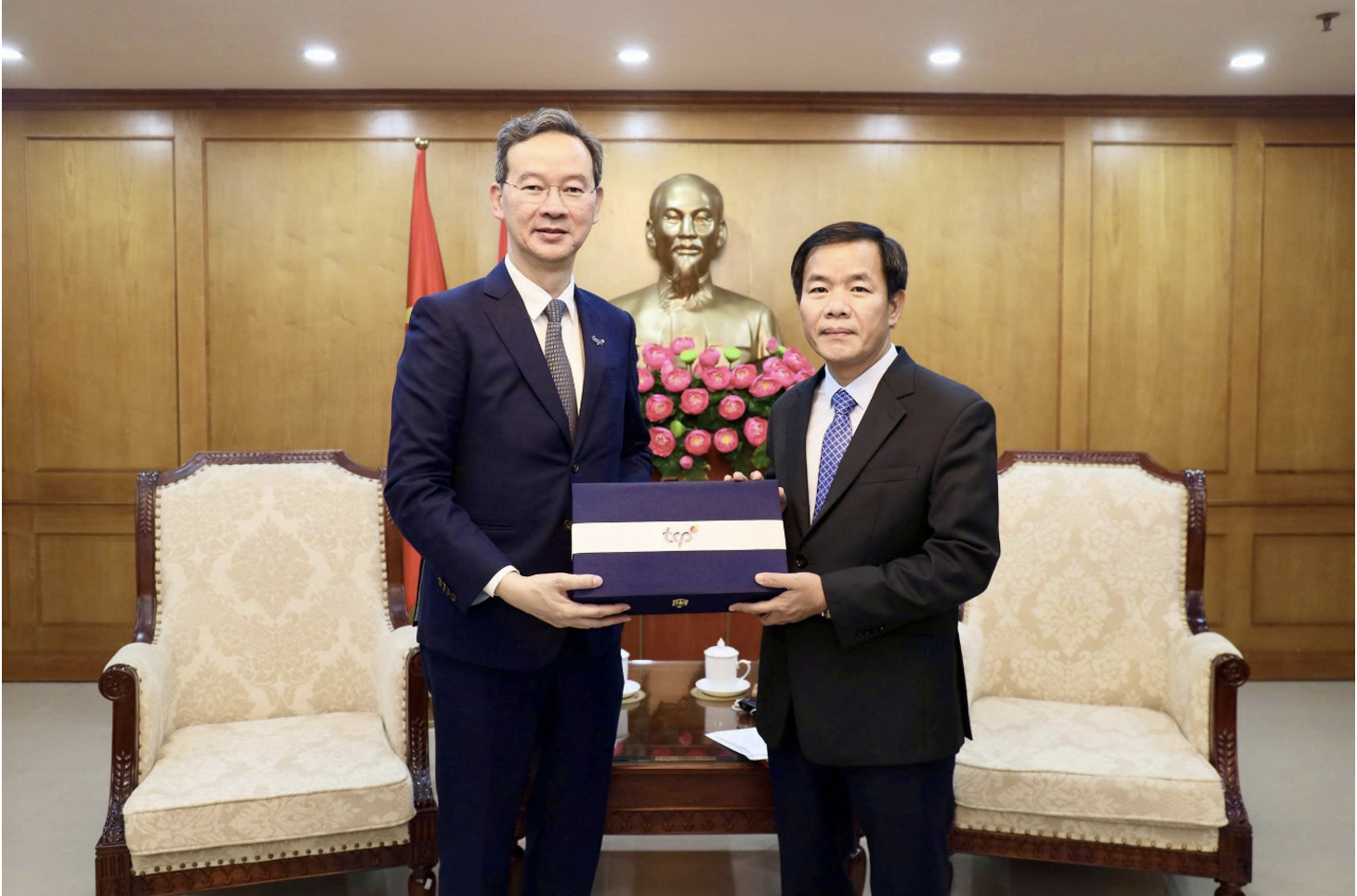
Realizing long-term commitments
2026 marks the 70-year milestone since the founding and development of the TCP Group. From its first manufacturing footprint in Vietnam 32 years ago to the establishment of its first international office outside Thailand, in Ho Chi Minh City in 2018, TCP has demonstrated that Vietnam is an integral part of the Group’s long-term ASEAN strategy.
Speaking at the working session with the CCPS, Mr. Yoovidhya affirmed that the Group stands ready as a constructive dialogue partner, proactively sharing international experience regarding sugar-sweetened beverage tax roadmaps, packaging circularity, and water stewardship, while seeking policy guidance to ensure sustainable operations.
TCP’s more than three-decade journey in Vietnam demonstrates a vital lesson: the true measure of an international investor’s success lies not solely in sales volume, but in its ability to establish deep roots within the host economy, grow alongside its people, and help address shared national development priorities. By positioning sustainability as a core capability, businesses not only secure their own enduring growth, but also make tangible contributions to Vietnam’s shared prosperity as the nation rises forward.


 Google translate