


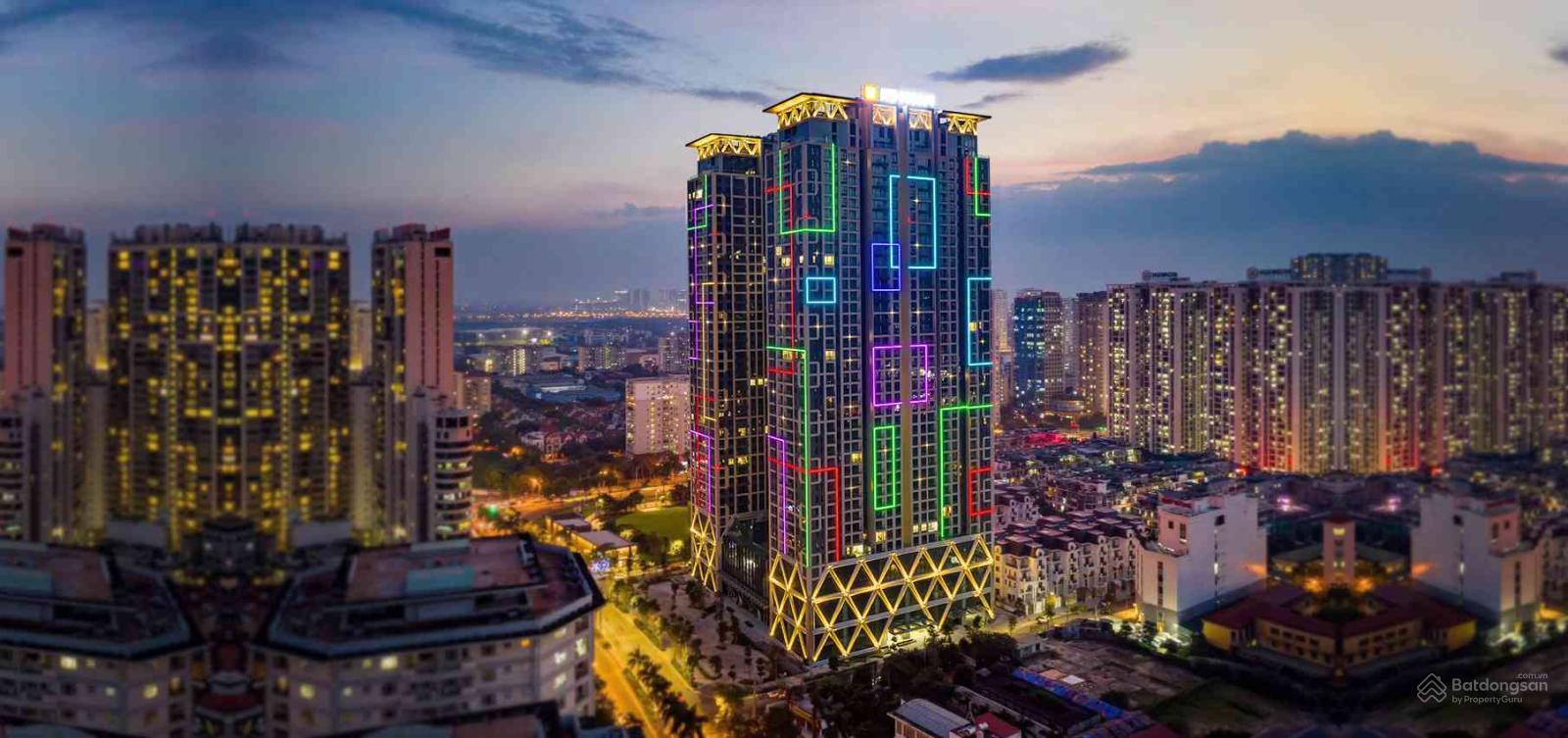
In 2019, The Zei stood out as the only project to win both the Best High-End Condo Development in Hanoi award and a top-five ranking for Best High-End Condo Architectural Design, as recognized by PropertyGuru Vietnam.
Designed by Finko Architect, the project marked a defining moment for a firm with global ambitions. Founded in Berlin, Finko debuted through collaborations with DA Group New York, DA Group South Korea, and Aedas VN. After establishing its reputation in Vietnam, the firm is now positioning itself on the international stage.
Behind Finko Architect stands Mr. Nguyen The Phuong - also known as Phuong DA, Phuong Aedas, and Phuong Finko. Without a website, marketing gimmicks, or self-promotion, he follows a singular mission laid out in a 10-year plan: Go for extraordinary Vietnam. His writings and interviews, published regularly, offer insight into an architectural philosophy that extends far beyond buildings. Culture, society, economics, geography, and technology are treated as intangible values that extend beyond real estate. The phrase “extraordinary Vietnam” may sound ambitious, but it is grounded in a simple idea. “Extraordinary” is not about excess, it is about going beyond the ordinary. The Zei is a clear expression of that belief.
Between 2010 and 2012, Mr. Nguyen The Phuong and DA Group were involved in several Hanoi projects, including Riverside Mipec, Golden Palace, and Ha Do Parkview - developments that reflected strong Western influences and, at times, overt architectural flamboyance. By contrast, The Zei demonstrates a decisive shift. Designed by Finko Architect, it embodies the principle that “simplicity is the ultimate sophistication,” resulting in a calm, refined, and nearly timeless architectural language.
In many ways, The Zei is deliberately “un-Hanoi” and “un-Vietnamese” in terms of conventional regional expression. It avoids neo-classical references and the creamy color palettes favored by the city. Instead, the building is defined by strong geometric lines and an efficient H-shaped floor plan. While its overall character is distinctly “German,” the interior avoids coldness or monotony.
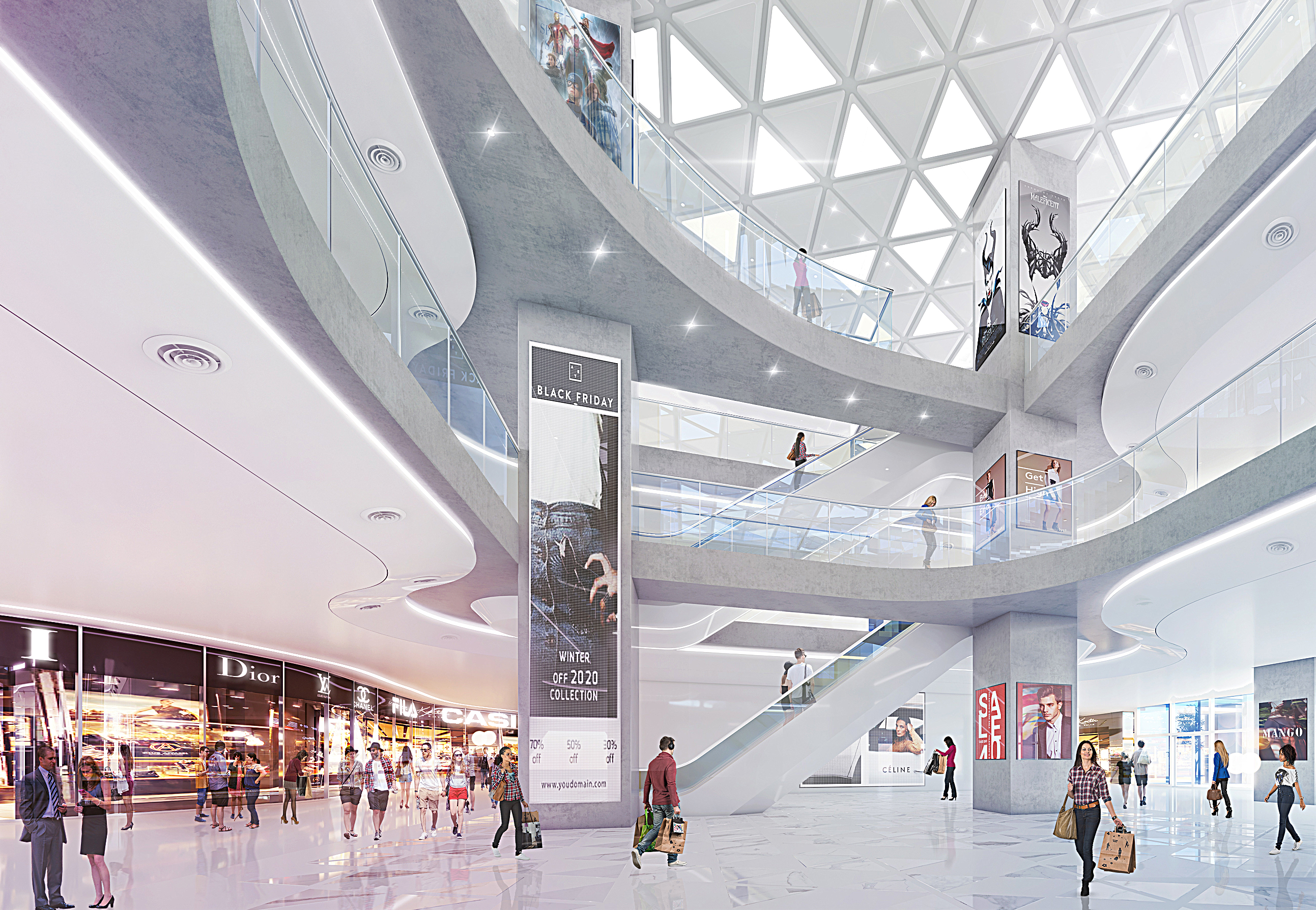
The facade moves beyond a purely mechanical language. Horizontal and vertical lines form a disciplined framework, punctuated by diagonal cuts and abstract color blocks, particularly visible at the podium and the top three levels. A unified, elegant composition emerges, highlighted by snowflake-inspired triangular patterns - an unprecedented detail in local apartment architecture. This uniqueness, however, comes at a cost. Its departure from established norms challenges public acceptance and demands unconventional construction methods, increasing complexity and expense.
Architecture broadly operates across two domains: commercial and residential. In both, lifestyle, aesthetics, and local market demand are top priorities. From an investment perspective, uniqueness is rarely welcomed in commercial housing. Efficiency, repetition, and modularity are favored, allowing projects to be replicated with minimal risk. Rotated blocks, standardized layouts, and construction-friendly designs serve the interests of designers, contractors, and investors alike.
This mindset is neither new nor uniquely Vietnamese. Throughout history, innovation has often faced resistance. Even Zaha Hadid operated her practice for decades on a teaching salary before gaining widespread recognition. New ideas, even when valid, require time and persistence to gain acceptance. Investment logic prioritizes the comfort zone, while Finko Architect operates outside it. Reconciling these two approaches remains a central challenge.
Finko’s refusal to take the easier path is what makes The Zei particularly compelling. “Our design strategy is based on the needs and desires of the residents, not the developer's personal preferences.” Such a statement is uncommon, especially in Vietnam, where developers are often regarded as the ultimate arbiters of architectural decisions. The widely accepted principle that “the customer is always right” underpins global practice. Finko’s stance, therefore, appears almost counterintuitive.
The finished project presents an image of class and elegance. Yet the process behind it was far from smooth. Were there moments of deadlock? Disappointment? Irreconcilable differences between “ordinary” and “extraordinary”?
Renowned architect Norman Foster once observed, “I describe the design process as the tip of the iceberg. What you don't see is the long haul, all the endless auditing and things like that.”
The Zei is the result of an eight-year battle.

A review of Finko’s design presentations and the project’s launch reveals that the “extraordinary” he seeks is neither abstract nor unattainable. It is simple, functional, and enduring. What makes it special is not excess, but attention - attention to life as it is lived. Mr. Nguyen The Phuong’s adoption of a reverse strategy, reminiscent of Elon Musk, was deliberate. Visual spectacle that compromised user experience was never an option.
Rather than relying on eye-catching forms, the design begins with fragments of everyday life. These fragments shape circulation, openings, and spatial relationships. The architect considers how different people inhabit the building: a child playing in a hanging garden, an elderly resident meditating on a breezy rooftop, a man waiting for the elevator after work, a mother preparing dinner. From single occupants to multi-generational families, introverts and extroverts alike, everyone finds a place. Safety and privacy are preserved without isolation.
The drawings accompanying The Zei capture these moments - residents, visitors, workers - portraying life in motion. Finko Architect’s philosophy is clear: design for each step. While this may appear idealistic, it is ultimately a labor of commitment and care.
As Aristotle noted, “The pursuit of knowledge leads to understanding, and understanding leads to wisdom.”
Understanding daily life means acknowledging routines, concerns, and overlooked labor - from parents and children to sanitation workers and business owners. Architecture, in this context, becomes an act of careful calculation and empathy. The focus shifts from constructing buildings to what Mr. Nguyen The Phuong describes as “sculpting lives.”
An examination of Finko Architect’s recent projects, including Crystal Place Bien Hoa and the Charm Long Hai BRVT resort, reveals consistent perseverance. In an industry drawn to surface-level glamour, Finko chooses to engage with the raw realities of living. His belief that “The beauty of architecture comes from the function and purpose of the building” (project presentation) and that “Identity lies not in form but in consciousness” (speech at the 1,000th anniversary of Hanoi) stands apart in a trend-driven environment.
Mr. Nguyen The Phuong’s work on The Zei reflects a broader ambition - to pursue authentic, thoughtful architecture with lasting impact. As Tadao Ando once said: “Creation is fighting. Designing architecture is a battle. I have to move forward, always one step ahead. Otherwise, you lose.”
That battle, as The Zei demonstrates, can be worth fighting - not only for architects, but for investors, cities, and Vietnam’s architectural future.
 Google translate