


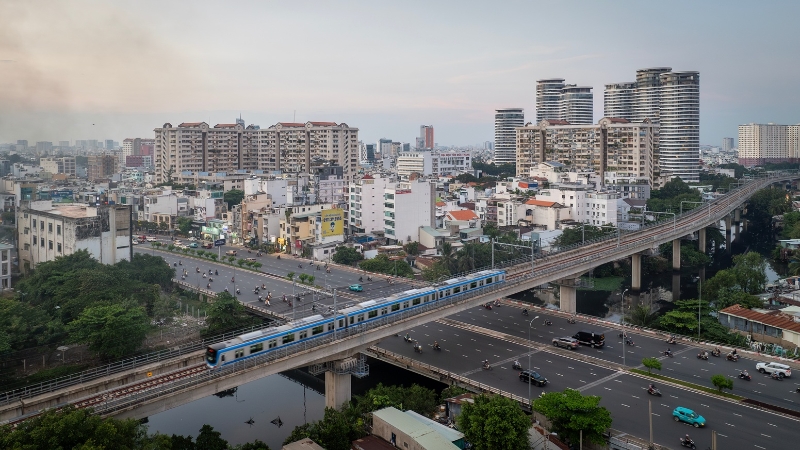
In Asia, the concept of Transit-Oriented Development (TOD), which emphasizes urban development connected to public transportation stations within a 1km walking distance, has been around much earlier in high-density cities like Singapore and Hong Kong (China).
Vietnam is also developing their own versions to meet rapid urbanization and modern public transportation network expansion.
Residents in Vietnam’s major cities historically prioritized connectivity to city centers using personal vehicles rather than public transport. However, this perspective has undergone a significant transformation in recent years, coinciding with the completion of long-delayed metro projects that began operations in November 2021 (Hanoi) and December 2024 (HCMC).
Ms. Trang Le, Country Head of JLL Vietnam said: “For two and a half decades (1990-2015), HCMC’s real estate market confined itself within a tight radius. Development rarely ventured beyond Ring Road 2, clustering within 10-kilometres of the city central. This growth pattern followed organic expansion along the existing infrastructure, primarily the road network, while transit-oriented projects remained absent.”
Over the decade of metro line construction, both of Vietnam's largest cities recorded vibrant real estate market activity with numerous projects appearing along these urban rail lines, she emphasized.
According to JLL Vietnam's report, projects within a 10-minute walk from metro stations currently account for 14-16 per cent of total commercial real estate supply and 4-9 per cent of residential supply in both markets. This figure alludes to the growing importance for projects that are near to public transportation network in the overall real estate supply in Vietnam's two largest cities.
Real estate projects adjacent to metro stations have also recorded significant price increases after the metro lines begin operations. Specifically, the average price increase was about 200-$250/sqm within one year. This corresponds to an impressive annual growth rate of 8 per cent for metro-adjacent real estate, double the 4 per cent market average growth recorded in Ho Chi Minh City in 2025. This difference suggests the value proposition that TOD projects bring compared to traditional real estate development.
In Hanoi, this difference is even more pronounced. According to JLL, projects near metro recorded a 19 per cent price increase compared to the market average of only 12 per cent in 2022.
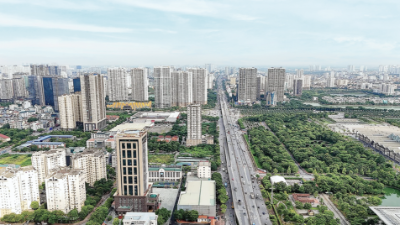
From 2025 onwards, the Vietnamese government embraced TOD as a solution to reduce density in inner urban areas. This policy shift, combined with the emergence of integrated townships along ring roads, has created new dynamics that promise to improve the ring road system with balanced development in all directions.
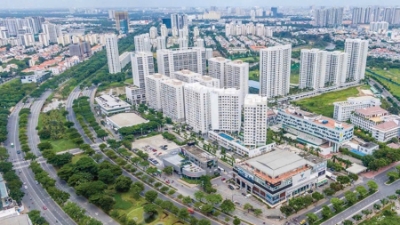
This shift aligns with a broader trend that has emerged over the past decade: large-scale integrated townships. Developers have adopted holistic approaches to mixed-use development, seeking to overcome locational disadvantages by creating their own commercial and entertainment facilities.
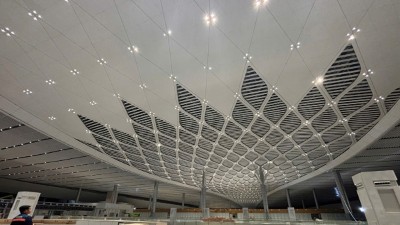
In the upcoming years, TOD’s application in Vietnam will extend far beyond rail systems. The model works equally well with road-based public transport like Bus Rapid Transit (BRT) lines. At its core, TOD aims to create compact, walkable, mixed-use communities center around high-quality public transport hubs, regardless of the underlying technology, Ms. Trang Le emphasized.



 Google translate