


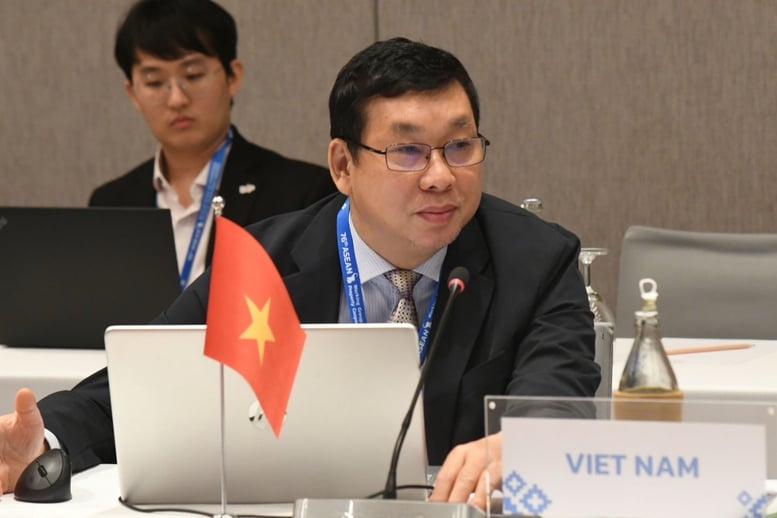
Vietnam has been elected Chair of the Madrid Working Group at the World Intellectual Property Organization (WIPO) for the 2026–2027 term and Vice Chair of the APEC Intellectual Property Experts Group (IPEG) for the 2027–2028 term, according the Government's online newspaer (chinhphu.vn).
These represent two pivotal executive positions in intellectual property across multilateral forums where Vietnam is an active member.
On November 2, 2026, the APEC Secretariat announced that Nguyen Hoang Giang, Deputy Director General of the Intellectual Property Office of Vietnam (IP Viet Nam), was elected Vice Chair of IPEG for the 2027–2028 tenure.
In this capacity, the Vietnamese representative will assist the Chair in steering IPEG activities, tracking intersessional workflows, and representing the group at relevant meetings when mandated.
This leadership role enables Vietnam to participate more directly in setting agendas, coordinating initiatives, and advancing key intellectual property priorities. Crucially, as Vietnam hosts APEC 2027 and is slated to organize IPEG sessions, holding the Vice Chairmanship will bolster the nation’s proactive role in guiding group activities.
Earlier, according to announcements from the WIPO and APEC Secretariats regarding Vietnam's dual election successes, Mr. Tran Le Hong, Deputy Director General of IP Viet Nam, was elected on October 9, 2026, as Chair of the Working Group on the Legal Development of the Madrid System for the International Registration of Marks (Madrid Working Group) for the 2026–2027 term.
The Chair of WIPO’s Madrid Working Group is tasked with presiding over sessions, moderating deliberations, leading consultations among country delegations, and collaborating with the WIPO Secretariat to formulate agendas and working documents.
This role provides an opportunity for Vietnam to engage deeper in refining the legal architecture and information technology infrastructure of the Madrid System. It also allows Vietnam to foster dialogue on unresolved matters, including the dependency principle, alternative dispute resolution mechanisms, the introduction of additional working languages, and obligations regarding the issuance of national trademark registration certificates.
Assuming these two executive mandates expands Vietnam's cooperation with WIPO, APEC, and member economies, spurring joint initiatives while elevating the technical capabilities and multilateral coordination skills of Vietnamese intellectual property officials.


 Google translate