


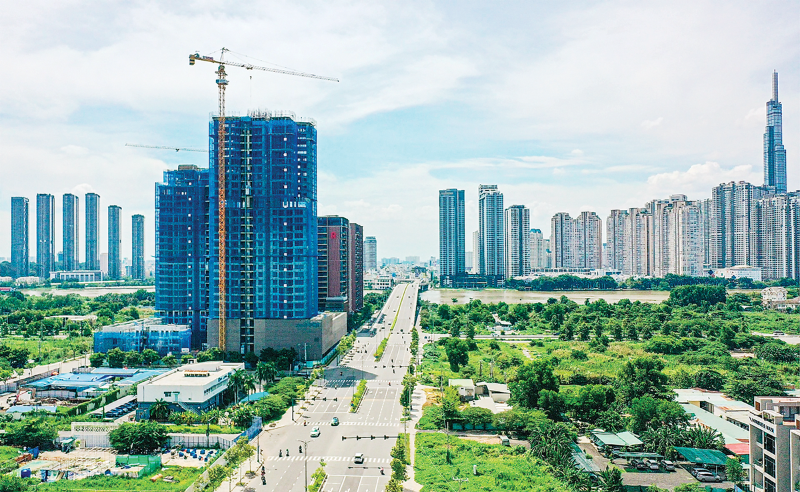
The year 2025 marked a period of robust recovery for Vietnam's real estate market, underpinned by stable macroeconomic foundations and extensive institutional reforms, according to a report released in late January 2026 by Jones Lang Lasalle Vietnam (JLL).
In parallel, several key infrastructure projects—including Long Thanh International Airport, Ho Chi Minh City’s Ring Road 3, Metro Line 2, and various inter-regional expressways—are seeing accelerated progress. Administrative reforms, the development of Vietnam's International Financial Center in Ho Chi Minh City and Da Nang, and the prospect of a stock market upgrade (with FTSE Russell’s final assessment results expected in September 2026) continue to bolster the confidence of international investors in Vietnam.
Over the past year, the real estate market stood out with several major M&A transactions, entering a phase of more professional and selective restructuring.
CEO of JLL Vietnam, Ms. Le Thi Huyen Trang, noted that FDI inflows continue to prioritize projects with transparent legal status, complete documentation, and immediate deployment readiness.
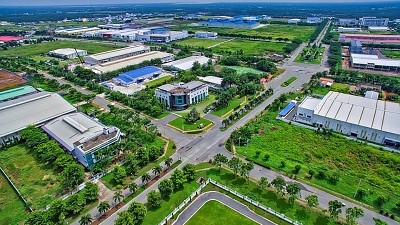
A notable highlight is the clear stratification among investor groups. Specifically, domestic investors dominate small and medium-sized deals, showing flexibility in transaction structures and development partnerships. Meanwhile, foreign investors are focusing on large-scale transactions, particularly in high-end residential segments, integrated townships, and strategic industrial real estate.
According to Ms. Trang, valuation benchmarks are being reset based on international appraisal standards, more accurately reflecting the true value of assets rather than the "irrational" price levels seen in previous cycles. Transaction yields have also adjusted to more attractive levels, particularly in the hotel segment with expectations of 8–9%, helping to draw international capital back to the market.
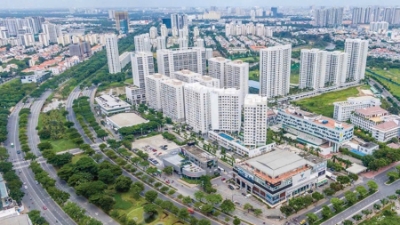
Notably, a new policy effective since April 2025, which allows the conversion of non-residential land use purposes to commercial housing development, has provided significant momentum for M&A deals in the residential sector—a segment characterized by high demand but limited supply.
For 2026, market drivers are forecasted to remain centered on legal reforms, the need for land bank accumulation, and a shift toward high-transparency, sustainable projects, and diversified product portfolios (including offices, industrial properties, and data centers).
To successfully attract international capital, experts suggest that businesses must finalize legal frameworks, ensure transparent valuations according to international standards, remain flexible in transaction methods, and maintain clear financial and governance systems.



 Google translate