


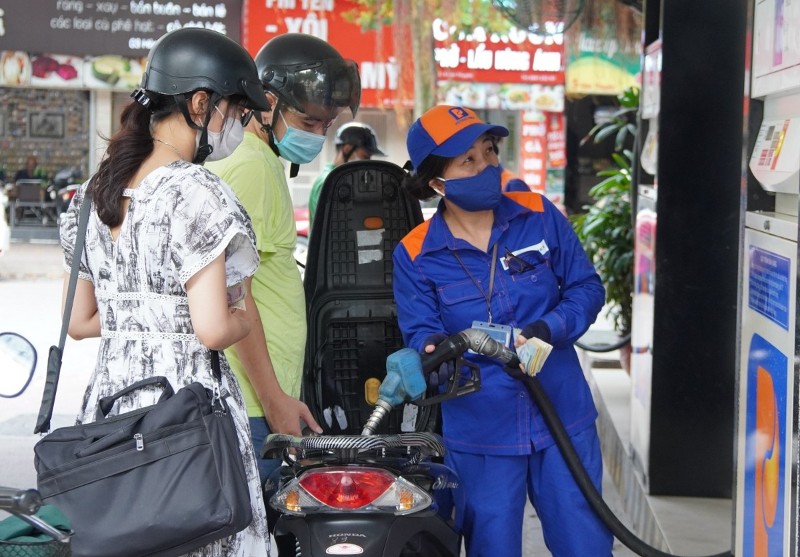
Deputy Prime Minister Nguyen Van Thang has called for prices of state-regulated goods and services to remain stable through the end of 2026, with tighter market oversight to prevent unusual price fluctuations during the year-end period and the 2027 Lunar New Year holiday.
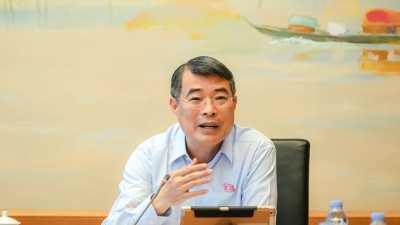
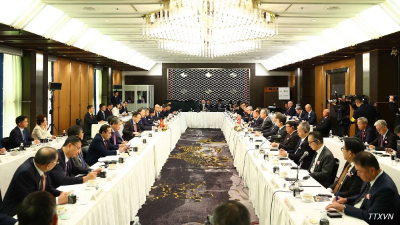
Deputy Prime Minister Thang, who heads the Government's Price Management Steering Committee, on November 9 chaired a meeting to review price management in October and the first 10 months of 2026 and discuss measures for the remaining months. The meeting was connected online with authorities in all 34 provinces and cities.
Amid persistent global economic uncertainties, particularly fluctuations in energy, raw material and transport costs, the Deputy Prime Minister instructed ministries, agencies and local authorities to closely monitor supply, demand and market prices, especially for fuel, food, fertilisers, animal feed and construction materials.
He also called for stronger inspections of price declarations and listings, with strict action against speculation, hoarding, price manipulation and unreasonable increases taking advantage of market volatility or natural disasters.
The Deputy Prime Minister further instructed authorities to monitor how fuel tax reductions and lower electricity prices affect production costs and retail prices, ensuring that the benefits of government support policies are appropriately passed on to consumers.
The State Bank of Vietnam was also asked to pursue proactive and flexible monetary policies in coordination with fiscal measures, maintain stability in the monetary and foreign exchange markets, curb imported inflation and direct credit towards production and business activities.

 Google translate