


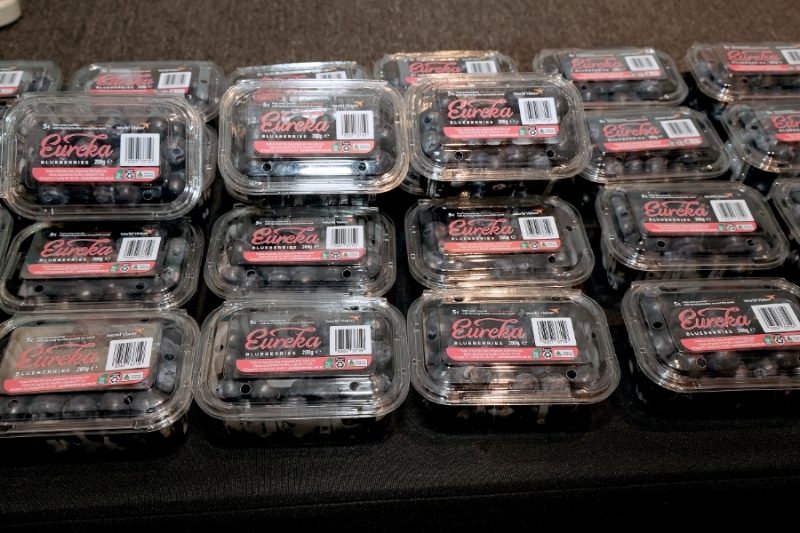
Australian blueberries have officially been cleared for import into Vietnam, following the recent entry of Vietnamese pomelos into the Australian market. This development marks a significant step forward in the flow of agricultural trade between the two nations.
An event welcoming the official presence of Australian blueberries in the Vietnamese market took place in HCM City on December 10, following a similar launch ceremony previously held in Hanoi.
Organized by the Australian Trade and Investment Commission (Austrade) on behalf of Berries Australia, the event marked a key milestone in agricultural trade relations between the two countries, while reaffirming the strong momentum of bilateral cooperation in the agricultural sector.
At the event, leading Australian growers and exporters showcased their production standards, quality control processes, and modern technologies. A highlight was the new-generation automated sorting system, designed to ensure that every blueberry meets high standards of uniformity, safety, and premium quality.
“Vietnam continues to be one of the most dynamic and high-potential markets for Australia's premium fresh agricultural products. Vietnamese consumers are increasingly interested in high-quality and nutritious food,” said Austrade’s Senior Trade and Investment Commissioner to Vietnam and Cambodia, Ms. Emma McDonald.
Prior to the licensing of Australian blueberries, the Vietnamese market primarily consumed blueberries imported from the United States and New Zealand.
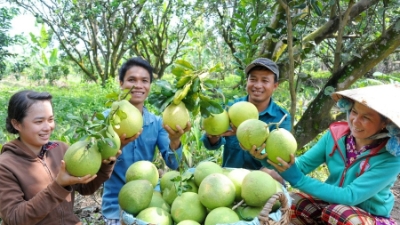
In October 2025, Vietnam’s agricultural authorities collaborated with the Australian Embassy in Vietnam to announce the mutual market opening for two fruit varieties: Vietnamese pomelos for export to Australia and Australian blueberries for export to Vietnam.
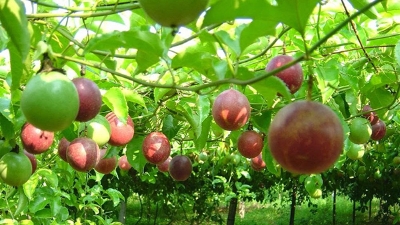
To date, pomelo is the sixth Vietnamese fruit approved for export to Australia, following dragon fruit, lychee, longan, mango, and passion fruit. Conversely, blueberries have become the seventh Australian fruit permitted for import into Vietnam, joining grapes, oranges, mandarins, cherries, peaches, and nectarines.




 Google translate