Longevity and wellness are reshaping hospitality, creating new opportunities for resorts, hotels, and real estate investors amid Vietnam’s aging population.
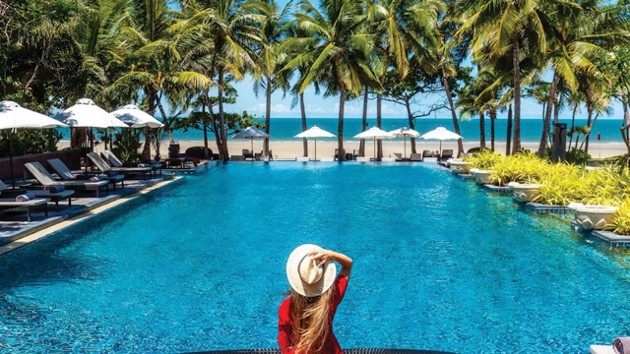
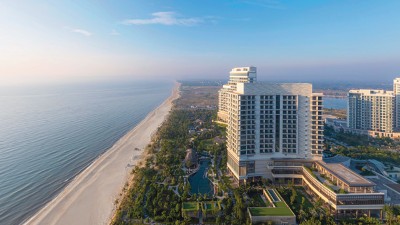
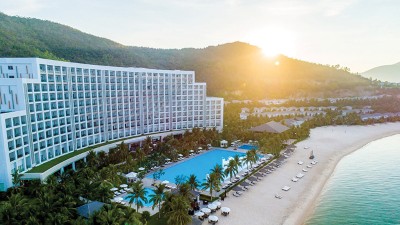
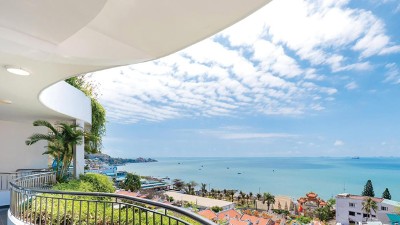
Vietnam’s resort real estate market is shifting toward integrated destinations built around connectivity, experiences, and long-term operational value.
While the accommodation sector is in good shape on the back of strong tourism demand and rising room rates, providers must remain attentive to the changing nature of tourist preferences.
The northern province of Ninh Binh surpassed its full-year tourism targets in the first nine months of 2026, welcoming over 20.95 million visitors and generating $879.16 million in revenue as local authorities and businesses advance infrastructure, digital transformation, and smart destination models.
Dr. Ha Van Sieu, Deputy Director of the Vietnam National Authority of Tourism, tells Ngoc Lan about quality and value as drivers of retaining tourism spending in Vietnam.
The Vietnam tourism promotion program in Amsterdam introduced Vietnam’s culture, heritage, and destination potential while strengthening bilateral tourism cooperation.
Close relationship between tourism development and the domestic market plays impotant role in expanding sales opportunities, increasing tourist spending and enhancing the value of Vietnamese products.
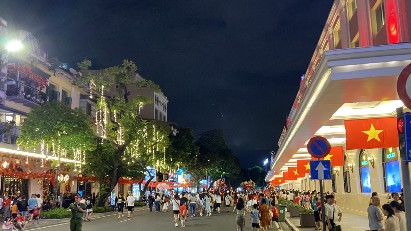
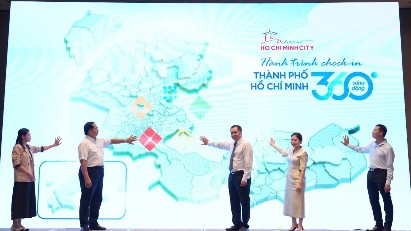
A central initiative of the campaign is standardizing the brand identity guidelines for “Vibrant Ho Chi Minh City” to ensure consistency across government bodies, tourism enterprises, and partners.
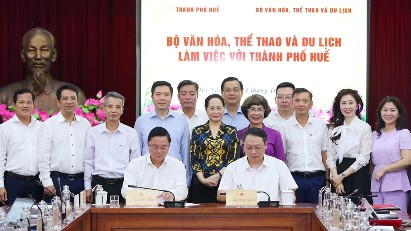
The partnership centers on piloting a signature cultural heritage urban model, developing cultural industries, elevating tourism product quality, and leveraging the central city's unique competitive advantages.