



Integrity as a foundation for competitiveness
In the global culinary sector, where chefs shape brand identity and restaurants compete on differentiation, competitive advantage often begins with ingredient quality and authenticity. In markets where quality can be inconsistent, long-term success in the F&B industry depends not only on culinary skill, but also on the reliability and professionalism of the supply chain that supports it.
Classic Fine Foods operates not simply as a distributor, but as a standards-driven intermediary between producers and professional kitchens. With operations in 10 countries across Europe, the Middle East, and Asia, the company has developed a model that prioritizes sourcing discipline, food safety, and long-term collaboration alongside operational efficiency.
A strategic focus on shared value
The company’s growth strategy is guided less by short-term expansion targets and more by a long-term view of sustainability and resilience. This approach aims to balance the interests of suppliers, the distributor, and F&B operators within a single ecosystem.
Rather than concentrating exclusively on expanding physical infrastructure, such as warehouses or transport capacity, Classic Fine Foods focuses on strengthening its supply-chain network. The underlying assumption is that distributor stability is closely linked to suppliers’ access to reliable markets and customers’ ability to maintain consistent operational performance.
“Sourcing Excellence” and producer selection
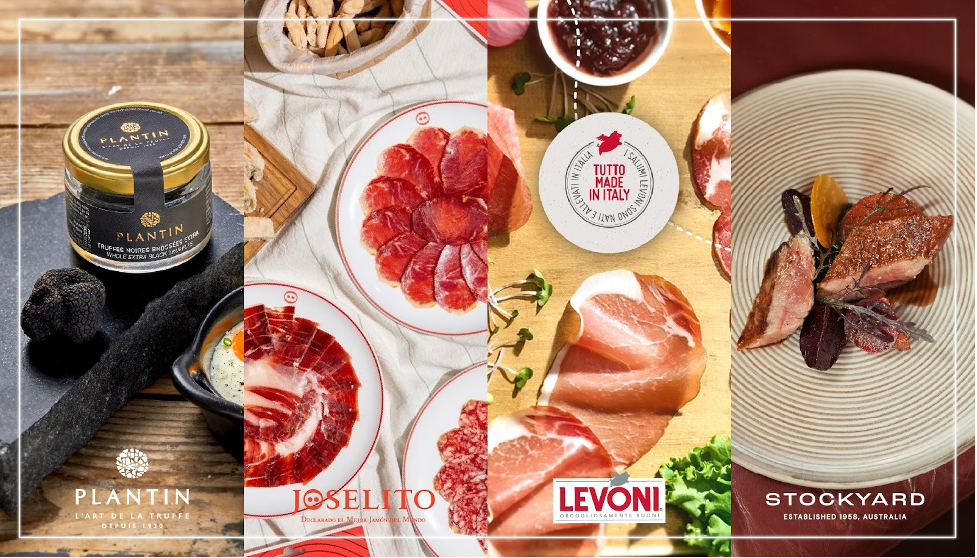
Central to Classic Fine Foods’ positioning is its “Sourcing Excellence” framework, which emphasizes product origin, craftsmanship, and technical expertise. These criteria are applied alongside strict food-safety requirements throughout the production and handling process.
Products ranging from Wagyu beef and Iberico ham to seasonal truffles and salmon roe are subject to defined selection standards. The company prioritizes producers that demonstrate environmental responsibility, respect for local production traditions, and compliance with international food-safety and quality benchmarks.
Cold-chain management as an operational priority
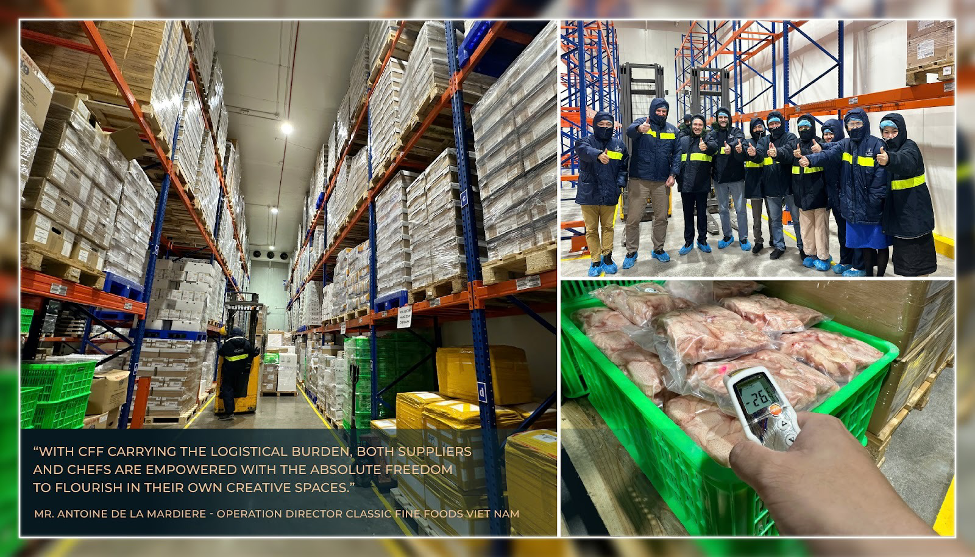
While product quality begins at the source, it is preserved through logistics execution. Cold-chain management is treated as a core operational function within Classic Fine Foods’ supply model.
Temperature control is maintained across storage and transportation, supported by demand-forecasting tools designed to reduce waste and improve cost efficiency for HORECA customers. These systems are intended to support consistency rather than volume-driven growth.
A long-term view of partnership
Within Classic Fine Foods’ operating model, partnership is framed as a long-term commitment rather than a transactional relationship. By embedding consistent standards and predictability into the supply chain, the company aims to contribute to the ongoing professionalization and sustainability of Vietnam’s F&B sector.
Contact information
Classic Fine Foods Vietnam
Hotline: +84 (0) 909 902 736
Website: https://shop.classicfinefoods.vn/
Email: contact@classicfinefoods-vn.com






 Google translate