


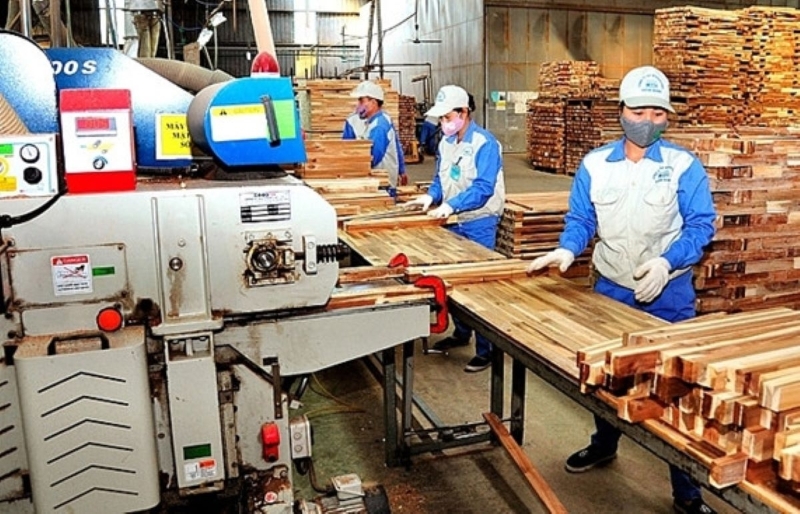
With strategic direction and strong government support, central Gia Lai province’s wood industry expects to reach an export turnover of $1.22 billion in 2026.
This goal reinforces the sector's position as a pillar of the local economy and a key contributor to the province's socio-economic growth.
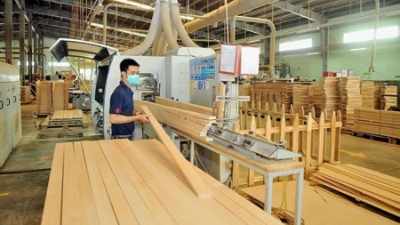
In 2025, the province's wood exports reached $1.1 billion, a 3% increase compared to 2024. The sector continued to serve as a spearhead industry, accounting for approximately 32% of Gia Lai's total export turnover.
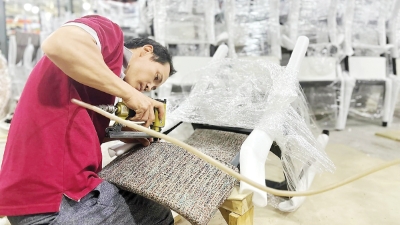
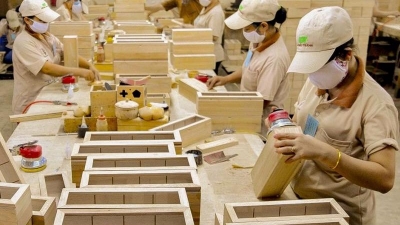
Detailed figures show that exports of indoor, outdoor, and garden furniture reached $480.64 million, up 10.5% year-on-year, with the United States remaining the primary market. Wood chips and pellets contributed $423.35 million (up 2.2%), while plastic wicker and rattan-like products earned $188.95 million.
Looking ahead to 2026, the Gia Lai wood industry has set an export target of $1.22 billion. The sector aims for sustainable, in-depth development while adapting to increasingly stringent international market requirements.
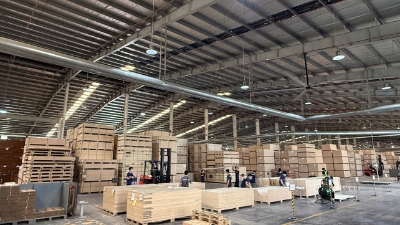
A major driver for this growth was the merger of the former Gia Lai and Binh Dinh provinces since July 2025. This move has successfully synergized the vast raw material resources of the West with the established processing industries of the East, creating significant momentum for the "new" Gia Lai province’s wood sector.
According to forestry data, the former Gia Lai province possessed over 650,600 ha of forest, representing 25.2% of the Central Highlands and 4.3% of the nation’s total forest area. Meanwhile, the former Binh Dinh province contributed over 345,500 ha of forested land, including more than 214,500 ha of natural forest and 131,000 ha of plantations.




 Google translate