Vietnam has officially introduced a carbon exchange, marking a major step toward its net-zero goals and a market-driven approach to reducing emissions.
During a working session with Ms. Najat Mokhtar, Deputy Director General of the International Atomic Energy Agency (IAEA), Vietnamese Minister of Science and Technology Vu Hai Quan outlined three core priority directions for the joint action plan between the two sides.
It is projected that the conversion rate to electric and green energy buses will reach approximately 10% by 2025, 20-23% by 2026, 34-39% by 2027, 47-54% by 2028, 79-89% by 2029, and r100% by 2030.
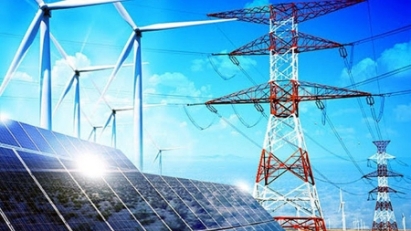
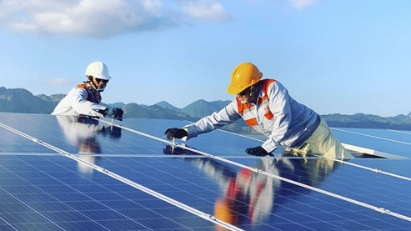
The partnership aims to establish a scalable and replicable model for non-intermittent renewable energy, which will be able to develop in off-grid areas, including offshore islands.
If approved and implemented effectively, this policy could see at least 80% of gasoline-powered ride-hailing motorbikes replaced with electric ones within the next two years.
Mr. Nguyen Tien Hai, Director of Engineering at the Energy and Environment Consulting JSC (VNEEC), tells Vietnam Economic Times / VnEconomy Vu Khue about the necessity of building an ecosystem to support the development of the country’s carbon market.