Vietnam Economic Times / VnEconomy gathered the thoughts of EU and global partners on how Vietnam can turn its natural advantages into large-scale renewable investment and energy security.
The project is planned to span approximately 571 ha with a main wharf length of 7.5 km. Its design capacity is projected to reach 4.8 million TEUs by 2030, eventually scaling up to 16.9 million TEUs by 2047.
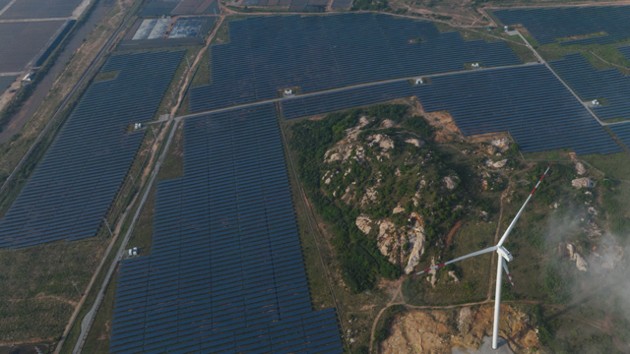
Vietnam’s offshore wind power development has picked up pace over recent years on the back of new policy and legal instruments and is set to be a key player in power generation.
Experience from the EU shows that an effective energy transition requires a synchronized set of factors, including a stable policy framework, strong technical capacity, and the ability to mobilize financing.
Grid infrastructure has a key part to play in catering to the ever-increasing electricity demand amid Vietnam’s energy transformation and ongoing development.