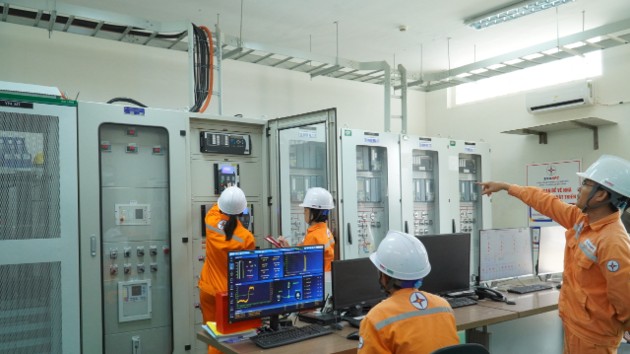
Vietnam has officially introduced a carbon exchange, marking a major step toward its net-zero goals and a market-driven approach to reducing emissions.
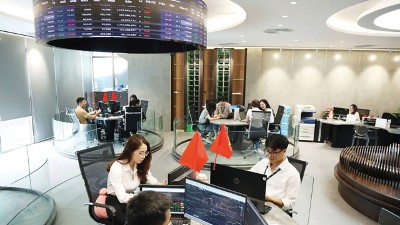
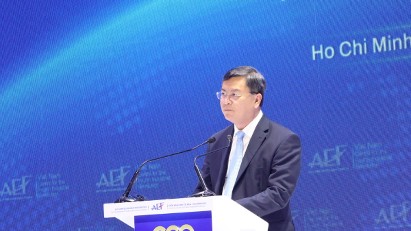
As Vietnam looks to modernize its growth model, policymakers are betting that International Financial Centers in Ho Chi Minh City and Da Nang can help channel the capital needed to power the country’s next stage of economic development.
As his diplomatic mission in Vietnam draws to a close, Mr. Timur Sadykov, Consul General of the Russian Federation in Ho Chi Minh City, shares his thoughts on the southern city’s remarkable transformation over the past five years with Vietnam Economic Times / VnEconomy’s Nhu Quynh and highlights new opportunities to further expand bilateral cooperation.
By upgrading the Nhue River system, the capital city aims to ensure proactive drainage and prevent flooding in inner-city areas, while progressively finalizing its approved general construction and drainage master plans.
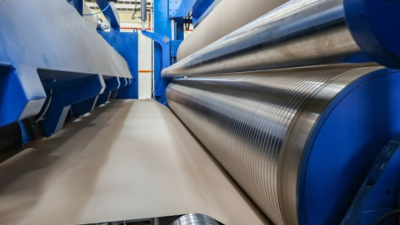
Priority sectors for the center include automation, robotics, Artificial Intelligence (AI) in manufacturing, digital factory transformation, green manufacturing, and enhancing supply chain resilience.
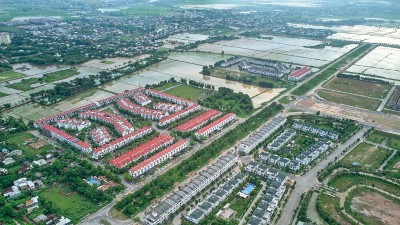
Hanoi is continuing to expand its housing supply across the social, rental and commercial segments as part of efforts to meet growing demand and improve housing affordability, according to a new report by the municipal People's Committee.
Foreign investment into Vietnam surged in the first half of 2026, driven by manufacturing, high-tech industries, and record FDI disbursement as investors reinforced their confidence in the country’s long-term growth prospects.