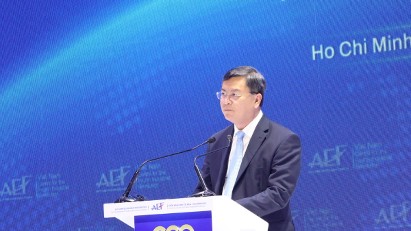
Annual state budget for talent development is expected to reach around 0.1 percent of GDP within the overall funding framework for science, technology, innovation and digital transformation.
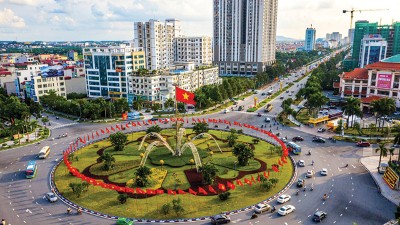
At a recent conference in northern Bac Ninh city, discussions focused on how the city’s growing FDI inflows and foreign workforce are driving up demand for both housing and homeownership and how this can be addressed.
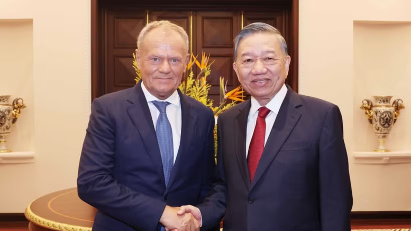
During a reception for visiting Polish Prime Minister Donald Tusk, General Secretary and President To Lam urged the two sides to seize every opportunity to achieve breakthroughs and work towards raising bilateral trade to $6 billion at an early date in a balanced, sustainable and mutually beneficial manner.
Driven by expanding smart factory adoption and a low robot density relative to regional peers, Vietnam’s industrial robotics market is forecast to reach double-digit annual growth over the next five years.
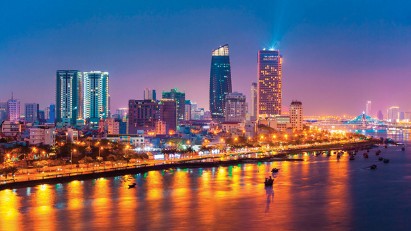
As an aerospace manufacturer specializing in high-precision structural components and assemblies for aircraft manufacturing, ASCO Industries strongly aligns with Da Nang’s foreign direct investment attraction strategy and competitive strengths.
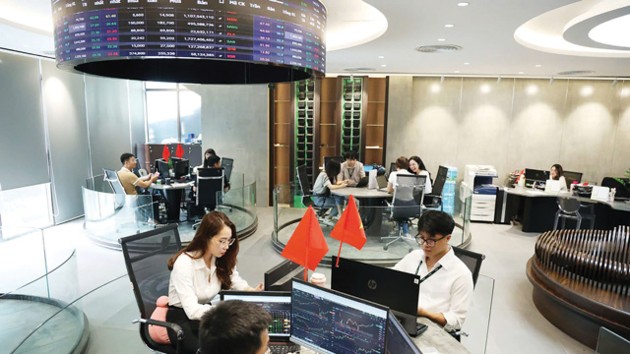
Vietnam’s strong economic performance in the first nine months of 2026 provides a foundation for posting annual double-digit growth while highlighting the need for efficient capital allocation and stronger financial resilience.
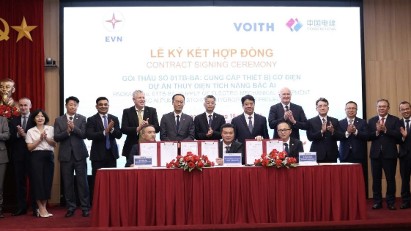
The Bac Ai Pumped-Storage Hydropower Project in Khanh Hoa Province is Vietnam's first pumped-storage hydropower development, incorporated into the National Power Development Plan for the 2021–2030 period with a vision to 2050.