


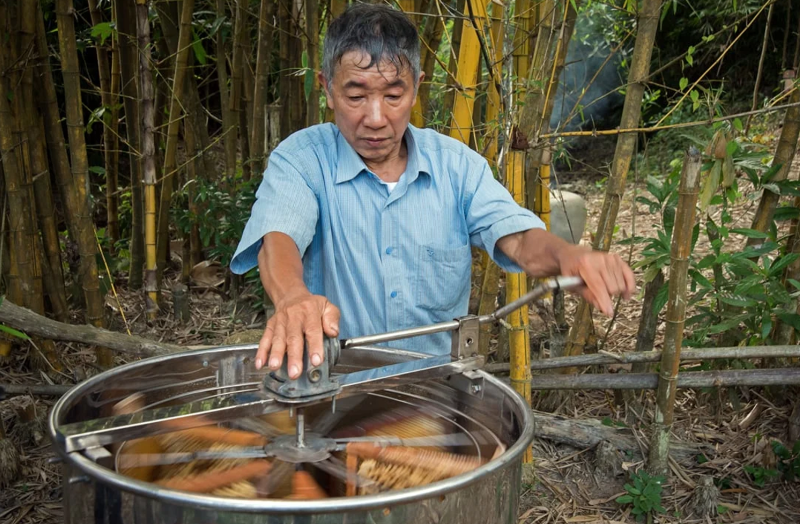
According to Assoc. Prof. Dr. Pham Kim Dang, Deputy Director General of the Department of Livestock Production and Veterinary Medicine under the Ministry of Agriculture and Environment, Vietnamese honey fully satisfies FAO’s criteria for a special agricultural product. The selection recognizes Vietnam’s distinct natural advantages, unique product quality, and the sector’s capacity to generate sustainable livelihoods for tens of thousands of farming households.
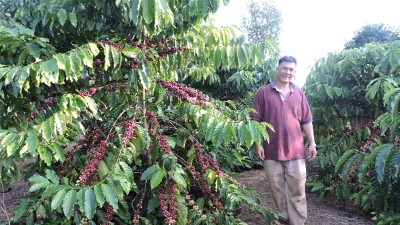
Vietnam’s tropical climate and rich, year-round floral sources - ranging from longan, lychee, and coffee to rubber, cashew, and acacia - allow honeybees to forage continuously, yielding high productivity. This floral diversity produces distinct flavors, most notably longan blossom honey and tropical forest honey.
As a low-capital industry requiring minimal land, apiculture is particularly suited for smallholder farmers and ethnic minority communities in remote areas. Beyond its economic benefits, FAO emphasizes honeybees’ crucial ecological role as primary pollinators. Sustainable apiculture boosts crop yields, conserves biodiversity, reduces chemical usage, and strengthens environmental resilience against climate change.
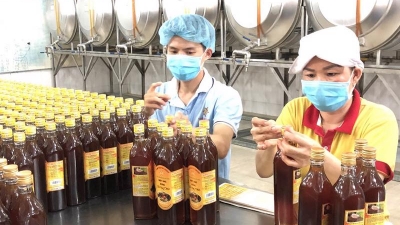
Through the OCOPP framework, FAO aims to support the entire honey value chain, covering breeding techniques, quality control, traceability, processing, and market expansion.
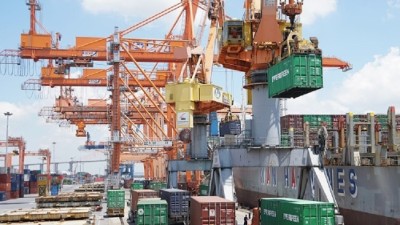
The FAO recognition comes at a pivotal moment as the industry addresses major export hurdles, particularly anti-dumping duties in the US - Vietnam’s largest export market. Trade defense measures over the past three years severely curtailed competitiveness, causing honey exports to the US to drop 31 percent in 2025 to $29.5 million.
However, positive momentum emerged following administrative reviews by the US Department of Commerce (DOC). Updated results released in June 2026 significantly lowered anti-dumping duties for fully compliant Vietnamese firms to between 6.72 percent and 21.55 percent, a sharp reduction from previous punitive rates exceeding 60 percent.
With US domestic honey production declining by 14 percent and prices rising by 27 percent, import demand remains robust. Industry experts note that transparent accounting, clear raw material sourcing, and verifiable traceability systems are essential for Vietnamese exporters to secure favorable tax rates and regain market share.
Domestically, around 30 export enterprises are navigating price pressures and sluggish domestic demand. Establishing coordinated mechanisms to prevent aggressive price cutting remains vital to safeguarding beekeepers’ profits.
Looking ahead, the global honey market promises strong long-term expansion, driven by rising consumer demand for natural sweeteners and functional health foods. Coupled with FAO’s structural support, Vietnamese honey is well-positioned for a sustainable recovery.




 Google translate