


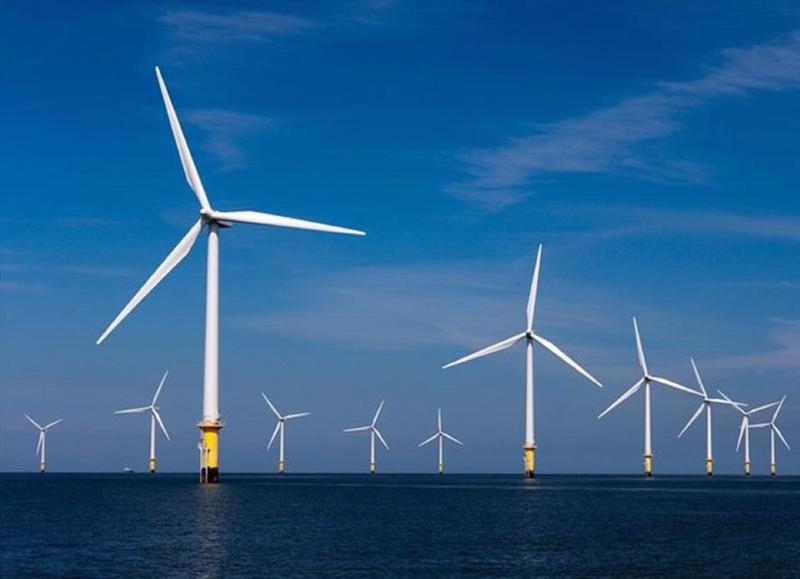
Singapore’s Energy Market Authority (EMA) announced on October 24 that it has given tentative approval for plans to import 1.2 GW of primarily wind-generated electricity from Vietnam, the Government News has reported.
Under the plan, Singapore will achieve its target of importing 4 GW of renewable energy by 2035.
This follows similar deals Singapore has signed to import 2 GW of low-carbon electricity from Indonesia and 1 GW of electricity from Cambodia, which will supply a mix of hydropower, solar, and, potentially, wind power.
Electricity imported from Vietnam could meet 10 per cent of Singapore’s annual needs, and will be transmitted through new subsea cables that will span a distance of around 1,000 km, the Government News quoted the EMA as saying on October 24.
During Prime Minister Pham Minh Chinh’s official visit to Singapore last February, the PetroVietnam Technical Services Corporation (PTSC) and Sembcorp Utilities Pte. Ltd. (SCU) signed an investment cooperation agreement for energy exports from Vietnam’s offshore renewable energy sources.
PTSC and SCU are to cooperate in investing in an offshore wind farm in Vietnam with an initial capacity of about 2.3 GW and export electricity directly to Singapore via a high-voltage submarine cable.
Sembcorp was quoted by the Government News as saying that the offshore wind farm could start operating by 2033, subject to approvals and barring unforeseen events.
To achieve net-zero emissions by 2050, the Singaporean Government plans to import 30 per cent of its electricity needs by 2035 from clean energy sources as well as introduce a progressive carbon tax roadmap, according to Sembcorp.
Under its National Power Development Plan VIII, which guides the development of power plants and power grids between 2021 and 2030 with a vision to 2050, Vietnam strives to increase the share of renewable energy in the country’s power mix to 67.5-71.5 per cent by 2050.
It also seeks to generate green energy for export, with a target of 5-10 GW by 2030.


 Google translate