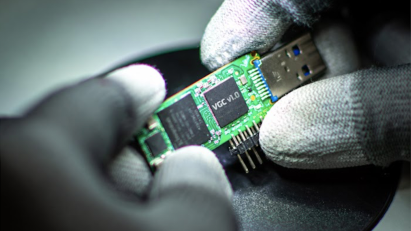
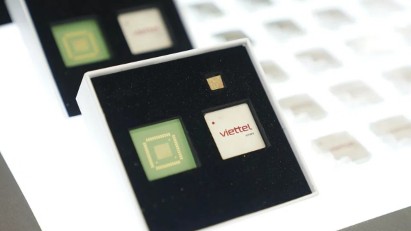
Testing showed that the chip can encrypt and decrypt data approximately 15 times faster than a purely software-based solution performing the same tasks.
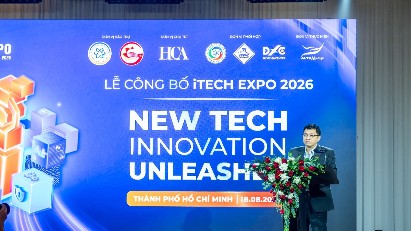
The semiconductor industry exhibition aims to promote industry cooperation, develop skilled talent and create opportunities for Vietnamese companies to participate more deeply in global semiconductor supply chains.
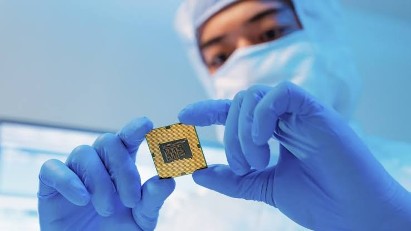
Specialised chips are designed to perform specific tasks and are used in applications including AI cameras, IoT devices, robots, UAVs, telecommunications systems, power electronics and smart grids.
The event, scheduled to take place from September 30 to October 2 in HCM City, is expected to feature nearly 100 domestic and international technology booths.
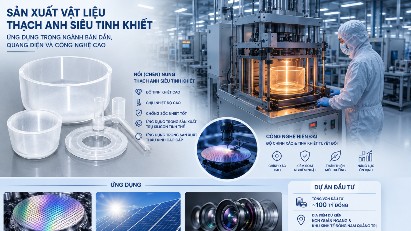
The project is expected to help the central province gradually strengthen its participation in supply chains for semiconductor materials and other high-tech industries.
The proposed policy is seen as a significant step toward creating a stable domestic market for Vietnam's semiconductor design and manufacturing industry.
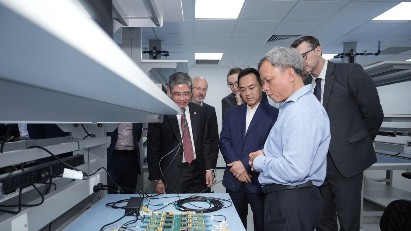
Vietnamese engineers are now capable of participating in almost the entire chip design value chain, including post-production testing and product validation.
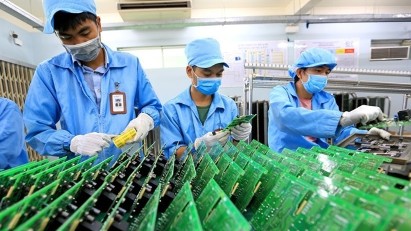
Intel’s presence has created a powerful "spillover effect," driving Vietnam's semiconductor market scale to over $21 billion and attracting more than $14 billion in FDI across 240 projects.
The center strengthens Qualcomm Technologies’ global R&D network by leveraging Vietnam’s fast-growing technology talent base and enabling closer collaboration with local partners.