



Over the past two decades, Vietnam has emerged as one of Southeast Asia's leading manufacturing destinations. From your perspective, how has the investment landscape evolved, and what factors will be most critical as global corporations choose investment locations in the years ahead?
Over the past two decades, Vietnam has transformed from a cost-competitive manufacturing base into one of Asia's most strategic investment destinations. Today, global manufacturers are increasingly seeking resilience, supply chain diversification, sustainability, and long-term operational efficiency. In addition, Vietnam's political stability, expanding network of free trade agreements, improving infrastructure, and strategic location within ASEAN have positioned the country as a preferred destination for global manufacturing.
Looking ahead, success will no longer depend solely on the availability of industrial land. Investors are increasingly evaluating the quality of industrial ecosystems—whether a location can provide reliable utilities, digital infrastructure, ESG support, logistics connectivity, a skilled workforce, and long-term partnerships. The ability to help customers achieve both operational excellence and sustainability goals will become a decisive competitive advantage.
Industrial estates today are no longer simply providers of industrial land; they are evolving into integrated industrial ecosystems. In your view, how will the industrial estate model change over the next decade, particularly under the influence of AI, green transformation, and increasingly stringent decarbonization requirements?
The role of industrial estates is fundamentally changing. Over the next decade, AI will enable smarter infrastructure management—from predictive maintenance and energy optimization to traffic management and utility monitoring. At the same time, digital platforms will improve operational transparency and enhance the customer experience.
As ESG regulations and carbon reduction commitments become standard business requirements, industrial estates must provide renewable energy solutions, water recycling, waste management, smart utilities, and low-carbon infrastructure.
At WHA, we have introduced a bold vision called "Turning Green to Growth," a concept that positions environmental responsibility as a driver of long-term profitability. Industrial estates were once seen as symbols of environmental strain, but WHA is working to redefine them as hubs of innovation and ecological responsibility.
Vietnam is witnessing a gradual shift in industrial investment from traditional manufacturing hubs such as Hanoi and Ho Chi Minh City to emerging provinces with greater room for growth. What do you see as the key drivers behind this shift, and what factors will determine the competitiveness of these emerging industrial destinations in the future?
The shift reflects a new stage in Vietnam's industrial development and the evolving priorities of global manufacturers. While Hanoi and Ho Chi Minh City remain key industrial hubs, investors are increasingly looking beyond established locations. Their focus has expanded to include long-term growth potential, resilient infrastructure, renewable energy, digital connectivity, ESG readiness, and room for future expansion.
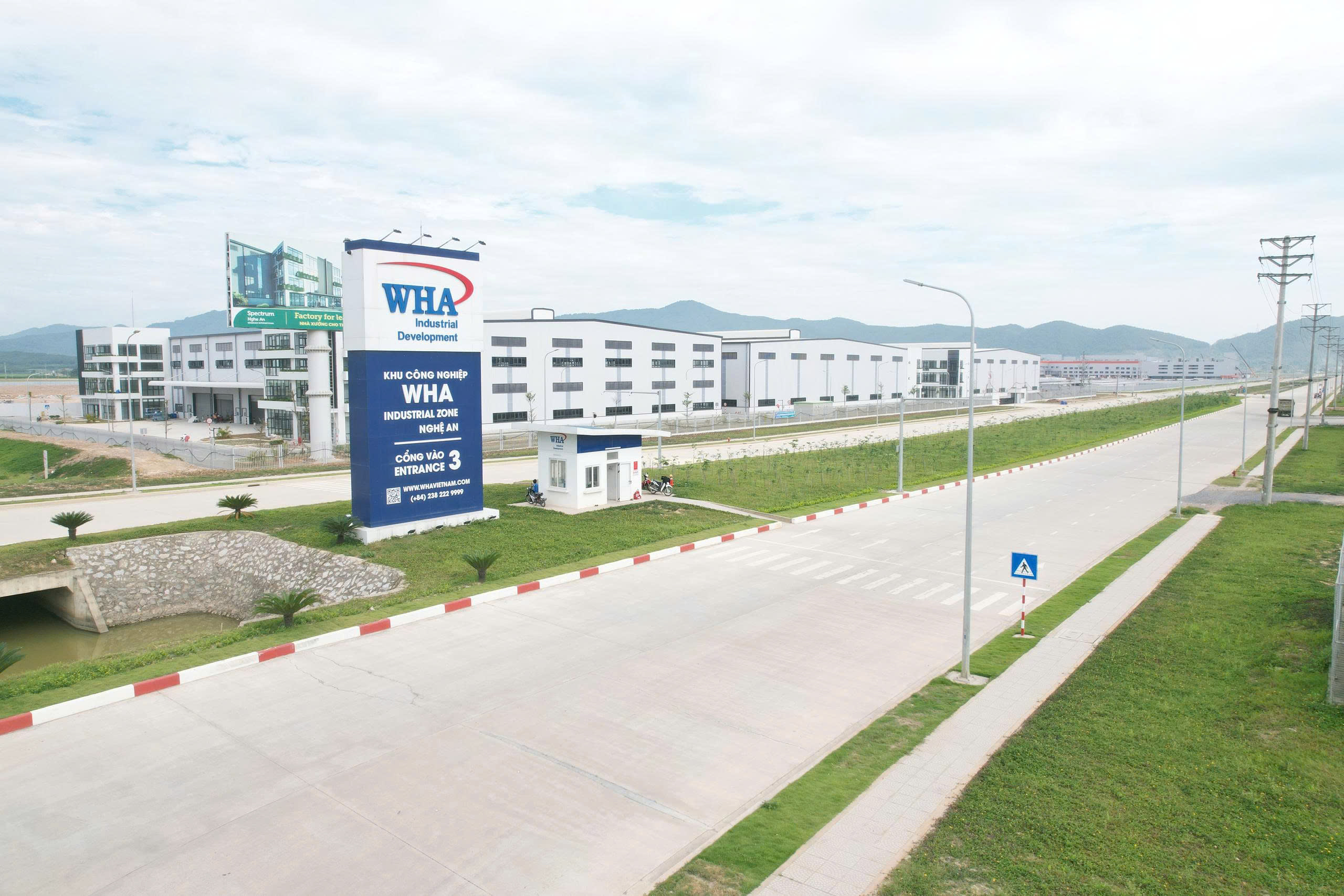
This creates significant opportunities for emerging provinces. After successfully establishing our presence in Nghe An Province, WHA has expanded its industrial development into Thanh Hoa. With its strategic location, improving transport network, deep-sea port connectivity, and supportive investment environment, Thanh Hoa provides a strong foundation for the next generation of industrial development. These strengths closely align with WHA's vision of developing Smart Eco Industrial Estates that integrate infrastructure, utilities, logistics, and sustainability from the outset.
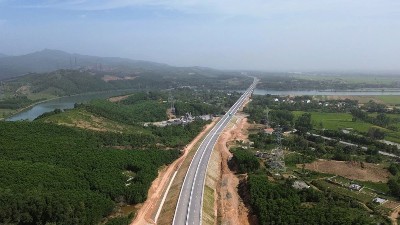
Looking ahead, competitiveness will depend on the quality of the industrial ecosystem rather than cost alone. Provinces that combine strong connectivity, reliable infrastructure, a skilled workforce, efficient public services, and sustainable development will become Vietnam's next manufacturing and logistics growth engines.
How do you expect this trend of diversifying investment destinations to reshape Vietnam's industrial landscape over the next decade?
We believe Vietnam's industrial landscape will become increasingly diversified, creating multiple regional manufacturing hubs rather than relying on only a few major economic centers. This balanced development will strengthen supply chain resilience, reduce regional congestion, and unlock new economic opportunities across the country. For investors, this diversification provides greater flexibility in selecting locations that align with their operational requirements, industry focus, and sustainability goals.
Could you also share WHA's strategic vision and expansion plans for Vietnam in the coming years?
Vietnam is a core strategic market for WHA, and we approach our investments with a long-term, partnership-driven perspective aligned with national and provincial development priorities.
Going forward, WHA will expand its existing industrial zones in Nghe An and Thanh Hoa while developing new industrial zones in key economic regions, including Hung Yen and Da Nang, to support balanced regional growth and industrial diversification.
All WHA projects are designed around international-standard infrastructure, smart and digital industrial management, and ESG-oriented development, supporting Vietnam's goals of sustainable manufacturing, supply chain resilience, and attracting high-value FDI. WHA is committed to contributing to Vietnam's long-term industrial competitiveness, job creation, and technology transfer.
In your opinion, what competitive advantages should Vietnam's emerging industrial provinces develop to become the country's next growth engines for manufacturing, logistics, and high-value investment?
Drawing on WHA's 37 years of experience working with global manufacturers and investors, we have seen a clear shift in what drives location decisions. Companies are looking for locations that can support resilient operations, sustainable growth, and future expansion.
That means building an industrial ecosystem with high-quality infrastructure, efficient supply chain connectivity, access to clean energy, a skilled workforce, and a business environment that enables investment with confidence. Increasingly, companies are also assessing how well a location can support their ESG commitments and decarbonization roadmaps before making investment decisions.
 Google translate