


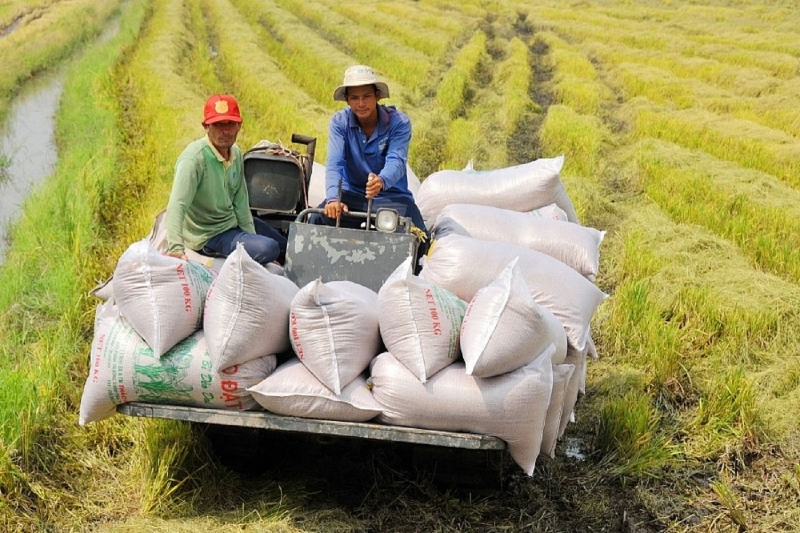
Prior to 2024, the highest annual target for national food reserves typically hovered around 220,000 tons. However, for 2025, this figure has surged to a milestone of 500,000 tons, according to a report from Radio the Voice of Vietnam.
This information was announced by Ms. Nguyen Thi Pho Giang, Deputy Director of the Department of State Reserves (Ministry of Finance), during a press conference on January 23.
This total includes the standard annual plan of 220,000 tons and a supplementary 280,000 tons aimed at regulating domestic rice prices. This represents a record-breaking figure, the largest ever in the history of Vietnam's state reserve industry.
"This outcome not only strengthens national reserve resources but also achieves a dual objective: supporting agricultural production and macro-economic stability while regulating supply and demand in the food market. Furthermore, it enhances rapid response capabilities for any emergency, ensuring food security and social welfare, and supporting the foreign policy missions of the Party and State," Ms. Giang said.
Currently, in implementation of the Prime Minister’s Decision approving the Master Plan for the National Reserve Warehouse System for the 2021–2030 period, with a vision toward 2050, the Department is mobilizing all resources to develop a smart warehouse system. This includes integrating warehouse management with the National Reserve Monitoring and Operation Center project, which is expected to be completed in 2027.
For 2026, the finance sector has developed a plan to warehouse a total of 420,000 tons of food reserves. Due to budget balancing considerations, the initial phase has been assigned a target of 300,000 tons, with the remaining volume to be allocated under a supplementary plan.





 Google translate