


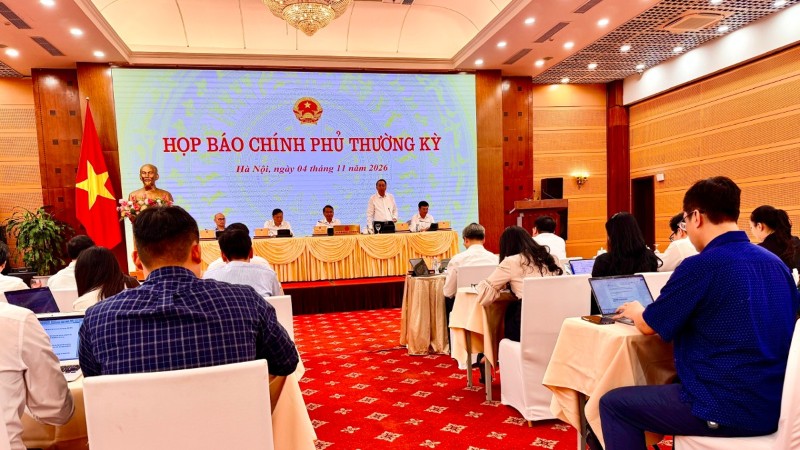
At the regular October Government press conference on November 4, VnEconomy / Vietnam Economic Times questioned the Ministry of Finance regarding price management scenarios to keep the Consumer Price Index (CPI) at around 4.5 percent following the Prime Minister's Official Dispatch No. 70/CD-TTg dated October 15, 2026, while ensuring supply and stabilizing essential goods.
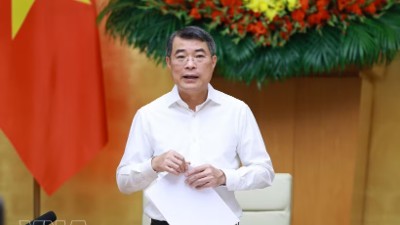
Responding to the inquiry, Deputy Minister of Finance Nguyen Duc Chi stated that the ten-month average CPI increased by 4.57 percent year-on-year, posing significant pressure on price management for the final two months of 2026.
According to the deputy minister, at the October meeting of the Government Steering Committee on Price Management, the ministry submitted price management scenarios alongside five core tasks and solutions:
First, proactively monitor and forecast market price developments, especially for essential goods, to avoid being caught off guard by price shocks.
Second, ensure supply and stabilize prices for essential commodities, particularly petroleum, food, medicines, and medical supplies, especially ahead of Year-End and Lunar New Year shopping demands.
Third, synchronously coordinate macroeconomic policies, combining flexible monetary policy with fiscal support and tax policies to lower input costs.
Fourth, cautiously adjust prices of state-managed goods and services, particularly strategic items like petroleum and electricity.
Fifth, step up market inspections to handle hoarding, price manipulation, and speculative activity during the holiday season.
According to conclusions from the steering committee, effectively executing these five solution groups will allow Vietnam to achieve its target of keeping the 2026 average CPI increase at around 4.5 percent.
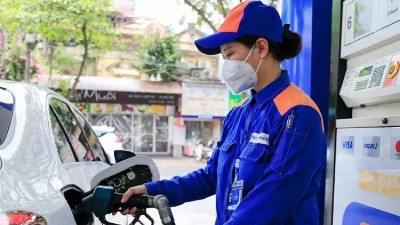
Regarding tax and price reductions, Mr. Chi noted that under Resolution No. 45, the Government set the special consumption tax rate at 0% on gasoline from November 1, 2026, through March 31, 2027. This policy is expected to reduce state budget revenues by nearly VND7 trillion ($275.5 million). Concurrently, average retail electricity prices were reduced by 2 percent starting November 1.
In the CPI basket, household electricity accounts for 4.81 percent, while petroleum accounts for 4.53 percent. According to ministry estimates, reducing electricity prices by 2 percent and zeroing out the special consumption tax on gasoline will reduce the November CPI by approximately 0.5 percentage points compared to October, bringing the 2026 average annual CPI down by about 0.08 percentage points.
Mr. Chi noted that the October CPI rose 0.2 percent month-on-month, bringing the ten-month average to 4.57 percent year-on-year, while core inflation rose about 4.24 percent. These measures will significantly ease input costs for businesses, particularly in logistics and transport, where petroleum accounts for 40 to 50 percent of road transport costs.



 Google translate