


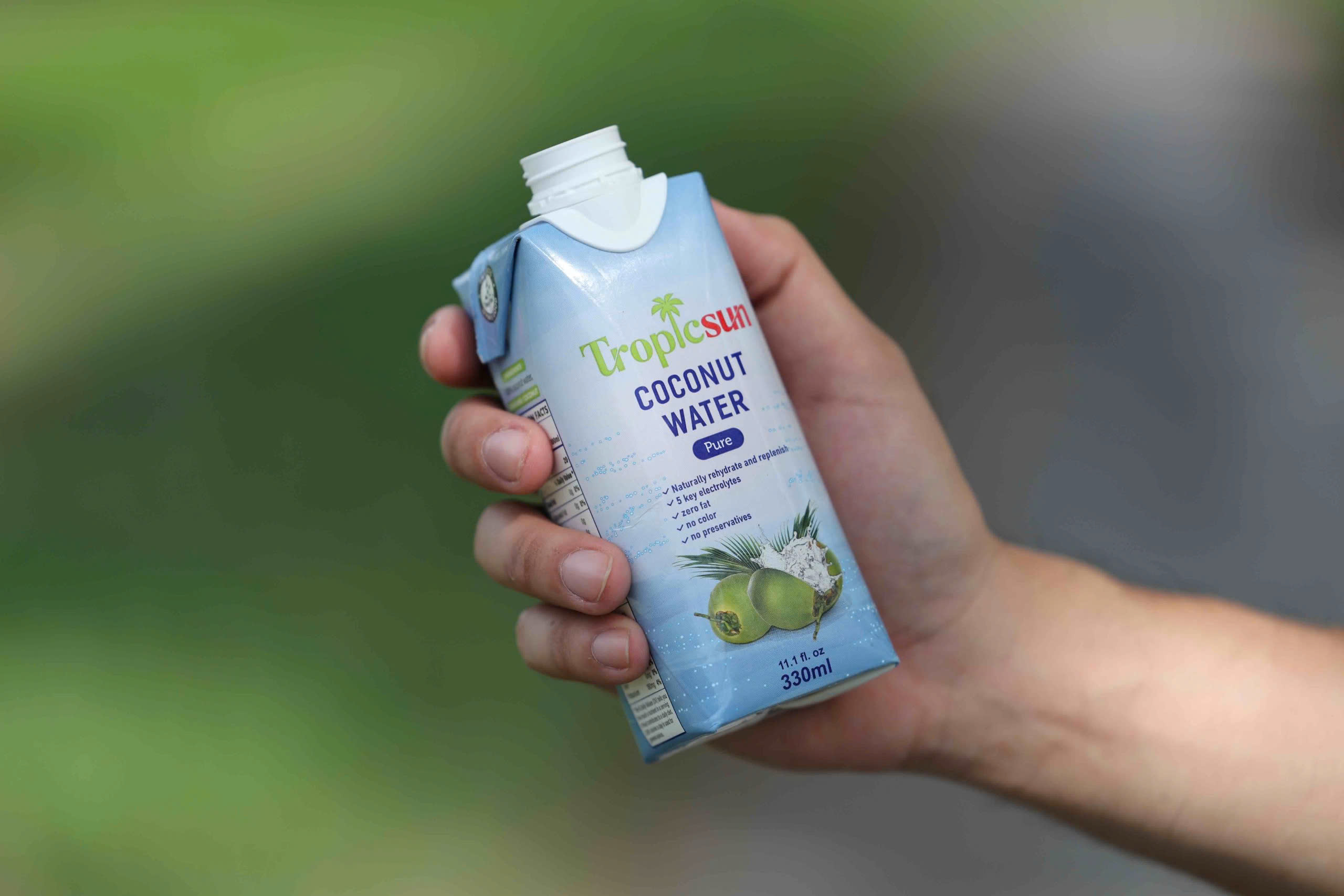
Beverage market trends and the growing demand for tropical ingredients are reshaping global supply chains, creating new opportunities for producing countries with strong agricultural foundations. Against this backdrop, Vietnam’s tropical agricultural products are increasingly finding their place in the global beverage value chain.
Vietnam’s tropical agriculture appeal
According to the Food and Agriculture Organization of the United Nations (FAO), global consumption of plant-based products, particularly fruits and fruit-based beverages, continues to rise steadily across many regions, including the Middle East. Structural constraints such as limited arable land and water scarcity mean the region currently imports more than 80 per cent of its food demand, resulting in heavy reliance on external suppliers.
Vietnam, supported by its tropical climate, is gradually asserting a more prominent role in this context. Data from the Ministry of Agriculture and Environment show that Vietnam’s export turnover of agricultural, forestry, and fishery products exceeded $53 billion in 2024, with fruits and processed fruit products recording double-digit growth. The figures suggest that Vietnam’s agricultural exports are not only expanding in volume, but also moving toward higher value-added segments linked to processing and beverage applications.
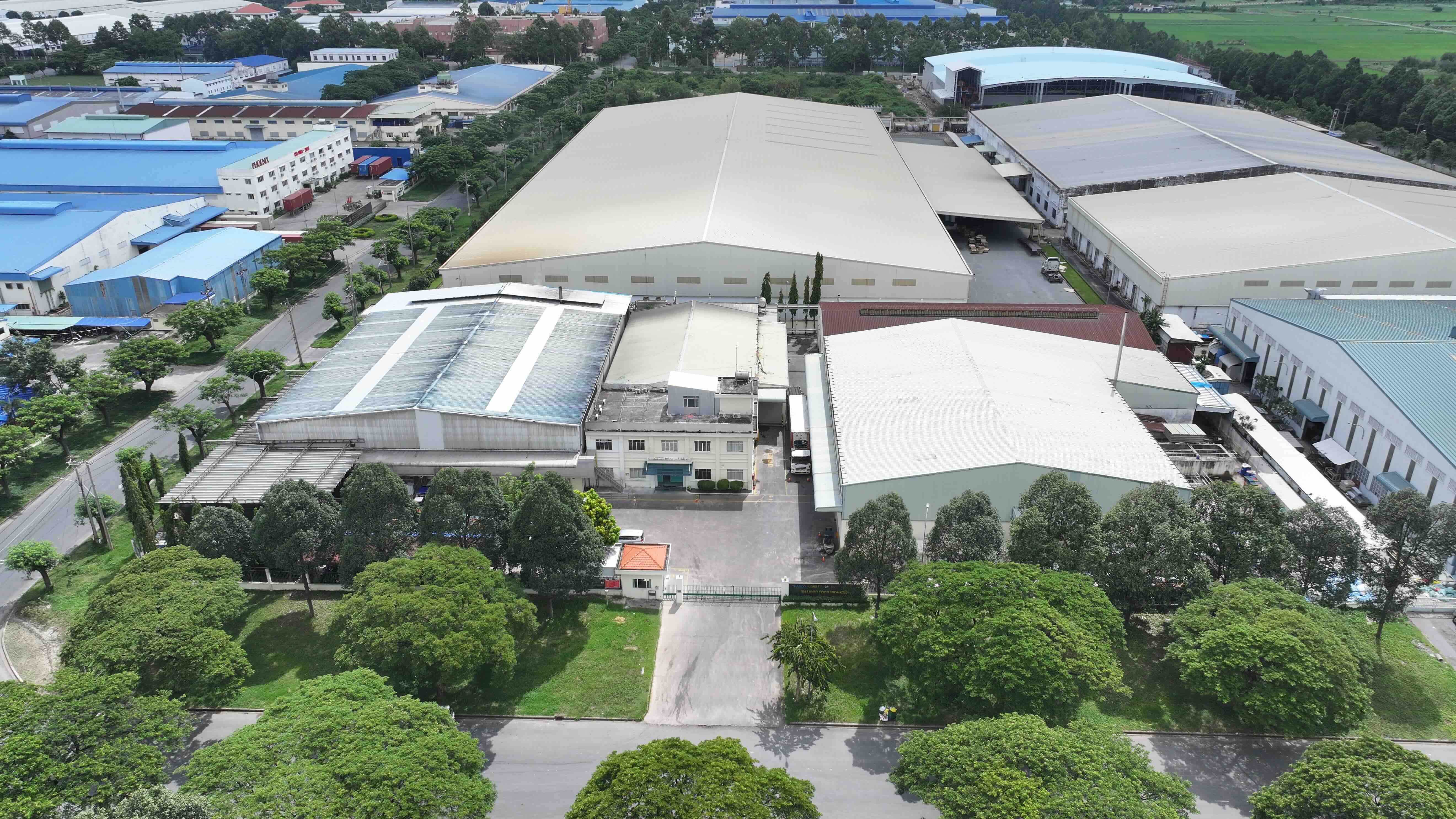
Vietnam benefits from the characteristics of a tropical monsoon climate, including stable year-round temperatures, abundant rainfall, and a dense river system. Key production areas such as the Mekong Delta, the Southeast, and the South Central Coast have emerged as major fruit-growing hubs supplying the beverage processing industry.
As of 2024, the country’s total fruit-growing area exceeded 1.2 million hectares, with annual output of more than 13 million tons. Major juice fruit varieties include mango, pineapple, passion fruit, banana, and coconut. Mango is grown on roughly 115,000 to 120,000 hectares, producing more than 1 million tons per year, while pineapple covers over 50,000 hectares with output of 800,000 to 900,000 tons. Passion fruit cultivation, at around 10,000 to 12,000 hectares, has expanded rapidly in recent years. Banana accounts for more than 150,000 hectares and approximately 2 million tons annually, while coconut spans about 190,000 hectares with output exceeding 1.8 million tons. These fruits are widely used in juices, smoothies, and plant-based beverages for international markets.
A key advantage for Vietnam lies in its ability to supply raw materials almost year-round, allowing processors to maintain continuous production and meet the consistency requirements of global beverage manufacturers.
On the demand side, the rapid growth of non-alcoholic beverages, plant-based drinks, and low-sugar products is driving demand for processed tropical fruit ingredients. According to Statista, the global non-alcoholic beverage market is expected to surpass $1.2 trillion by 2027. The Middle East is among the fastest-growing regions, supported by a young population, expanding tourism, and a growing service sector. Within this trend, Vietnamese tropical fruits are increasingly positioned as functional ingredients embedded in the global beverage value chain, rather than being exported primarily in raw form.
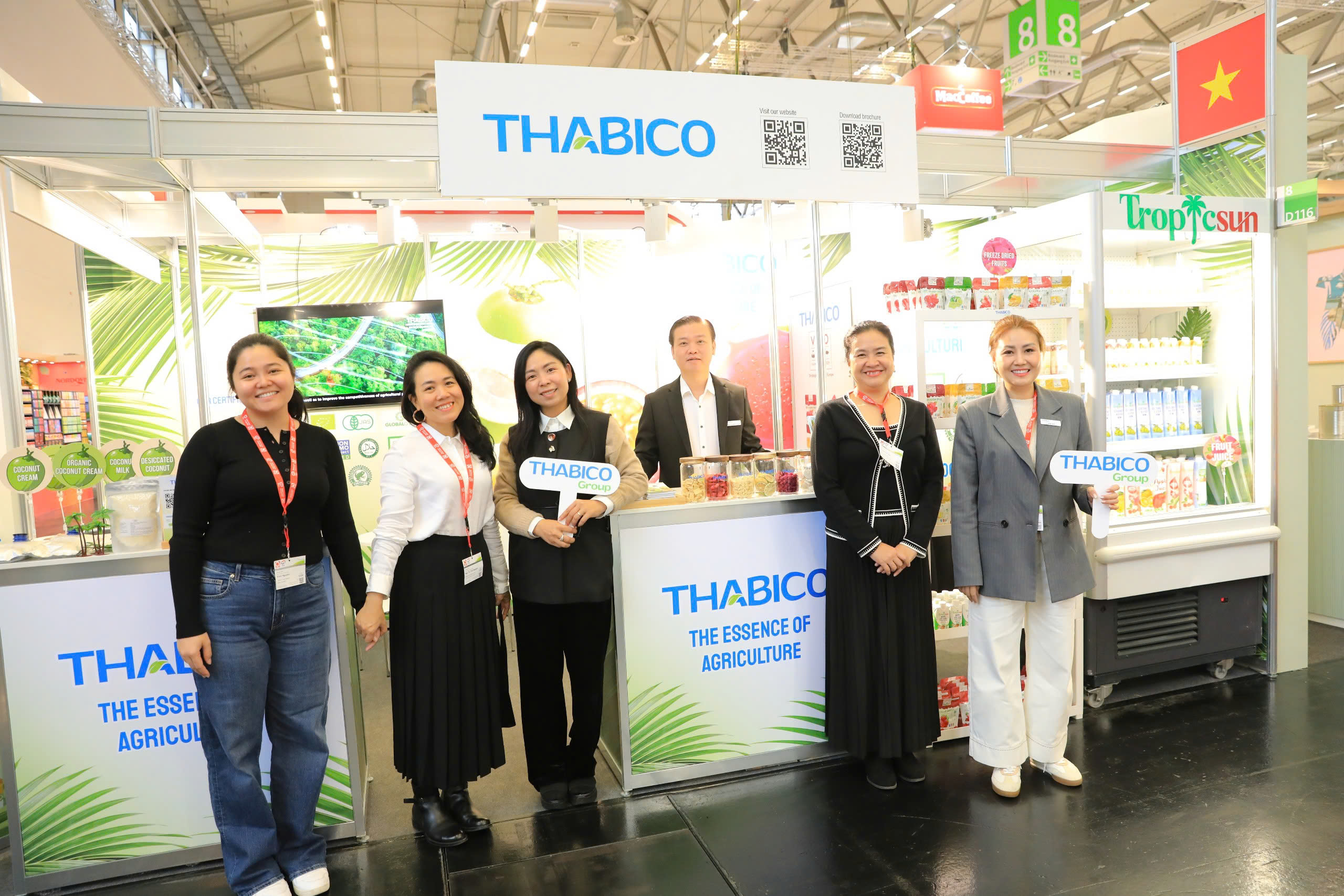
THABICO: From products to industry solutions
This shift is evident at Gulfood Dubai 2026, where THABICO is among the Vietnamese enterprises exhibiting in the Beverage Hall, a dedicated zone for beverage products and industry solutions. The company’s presence reflects a market strategy centered on end-use applications, rather than the traditional presentation of raw agricultural commodities.
THABICO’s product portfolio includes NFC fruit juices, concentrated juices, fruit purée, IQF products, and coconut-based ingredients such as coconut water and coconut milk. These inputs are widely used in soft drinks, mixed beverages, and plant-based beverage formulations. Alongside product development, the company continues to invest in processing technology, with a focus on preserving natural flavors, ensuring consistent quality, and meeting HACCP, ISO, and Halal standards - critical requirements for Middle Eastern and other Islamic markets.
Scheduled from January 26 to 30, 2026, at the Dubai World Trade Centre, Gulfood Dubai brings together more than 5,000 companies from over 190 countries and is widely regarded as a strategic meeting point for the global food and beverage supply chain. Unlike trade shows focused solely on raw materials, Gulfood spans the entire ecosystem, from finished products to beverage solutions, retail, and food service.
Trade experts note that the growing visibility of Vietnamese companies at Gulfood reflects deeper integration of Vietnam’s tropical agricultural products into the global value chain, not only through scale, but through processing capacity, technology adoption, and compliance with international standards. In this broader landscape, THABICO illustrates how Vietnamese agricultural producers are repositioning themselves in international markets, moving beyond the role of raw material suppliers to become providers of comprehensive solutions for the global food and beverage industry.



 Google translate