


The Argentine government is set to continue expanding its export markets, directing Argentine goods toward key destinations and removing trade barriers to enhance corporate competitiveness.
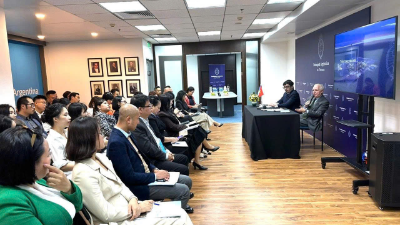
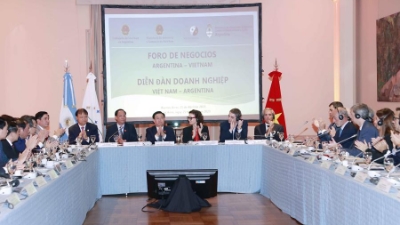
The Vietnam Trade Office in Argentina quoted the Argentine Finance Secretary Pablo Quirno as making these remarks during "The Business of Feeding" (El negocio de alimentar) seminar, held as part of the 2026 Palermo International Agricultural Exhibition (Expo Rural 2026).
Notably, Mr. Quirno identified Vietnam—alongside Singapore, Japan, and India—as a priority market in Argentina’s upcoming agricultural export expansion strategy.
According to the Vietnam Trade Office, the fact that a Southeast Asian nation is being placed on par with the continent's major economies reflects a clear strategic shift by Argentina toward regions with dynamic growth and large, stable demands for agricultural imports. This also reflects Vietnam’s rising status in the global agricultural supply chain, particularly in supporting industries such as animal feed, food processing, and aquaculture.
Data from the National Institute of Statistics and Censuses of Argentina (INDEC) confirms that agriculture remains the absolute pillar of the South American nation. In the first five months of 2026, Argentina's total export turnover reached $40.36 billion, a 24.3% increase year-on-year. Of this total, processed agricultural products accounted for 30.9% and raw agricultural products 26.6%, together representing nearly 58% of total exports. Agriculture serves not only as the primary source of foreign currency but also as a springboard for Argentina to exert its influence on global food security.
Within this context, Vietnam has emerged as Argentina's leading trade partner in Southeast Asia, with bilateral turnover reaching approximately $1.95 billion in the first five months of 2026. Of this, Vietnam’s imports from Argentina accounted for $1.56 billion, up 28.1% over the same period last year.
Most notably, the group of raw materials for production reached $1.147 billion—a staggering 102.1% increase—accounting for 73.6% of Vietnam's total imports from Argentina.
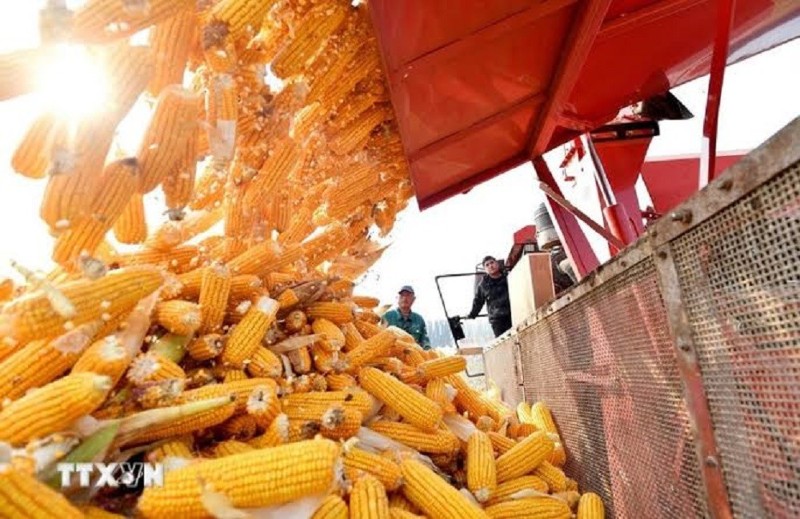
Corn remains the largest import item, alongside soybeans, vegetable oil, cotton, fishery ingredients, and various other inputs serving the animal feed, food processing, and agricultural production industries.
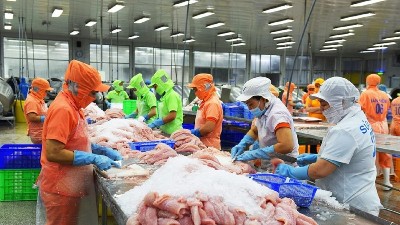
This trade structure underscores a key reality: Vietnam is no longer merely an end-consumption destination, but has evolved into a hub for processing and value transmission. Raw materials and semi-finished products imported from Argentina are integrated into production lines for animal feed, seafood, and food processing—serving not only a domestic market of 100 million people but also reaching third-party markets through exports. In doing so, Vietnam helps complete and add value to Argentina’s own agricultural supply chain.
Moving beyond pure commodity trading, Vietnamese enterprises now face opportunities for comprehensive cooperation in higher value-added segments. By applying advanced technology to deep processing with Argentine materials, combined with optimizing logistics and warehousing to reduce intercontinental trade costs, Vietnam is poised to become the primary gateway for Argentine agricultural products to penetrate deeper into the ASEAN common market.



 Google translate