Most long-term forecasts indicate that the VN-Index could reach 1,400-1,450 points by the end of the year, from around 1,365 points now. Investors, however, still need to anticipate the following four risks: a prolonged outbreak of Covid-19 leading to lower-than-expected GDP growth, cash flow leaving securities for production and business, rising inflation, and falling profit growth.
Experts have pointed out that when deposit interest rates are cut to support production, corporate bond interest rates are higher and attract more funds from investors and individuals. High-interest rates come with high risks, however, such as businesses using capital to issue bonds to turn bad debt into good debt and turn old debt into new debt, which leads to a high risk of default.
Bank profits were up and down in the second quarter of 2021, with most private commercial banks growing strongly while State-owned commercial banks posted lower figures. State-owned banks have also adjusted profit targets downwards, which in turn enables them to access better lines of credit.
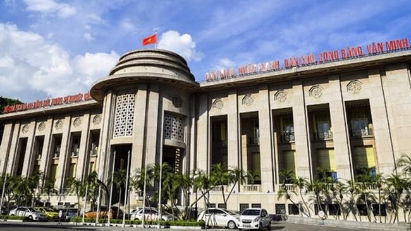
The State Bank of Vietnam has issued Circular No. 11/2021/TT-NHNN on the classification of assets and provision for risks, the use of provisions to deal with risks in the operations of credit institutions, and spending by foreign bank branches. Under the Circular, after five years, debts that have been settled by all measures but cannot be recovered will be removed from the off-balance sheet (OBS).
Just over 100,000 new domestic individual stock market accounts were opened during July; the lowest in the last five months. The reason for the decline may be that individual investors no longer need to open new accounts at small securities companies.