Success and failures from around the world offer Vietnam lessons on the way forward as it refines the institutional framework governing its oil and gas industry.
The Provincial People's Committee announced that the project is expected to include storage facilities with a capacity of 110,000-160,000 cu.m and a pipeline stretching approximately 80-100 km.
Vietnam’s new era of development and ambitious growth targets require that the oil and gas industry evolve from its role as a traditional growth pillar.
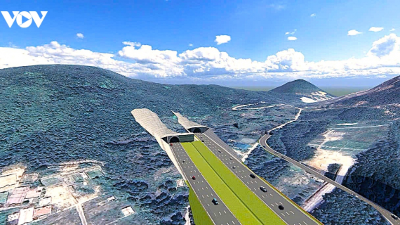
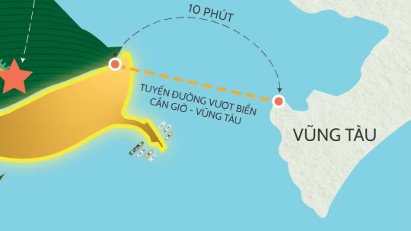
With a total length of over 14 km and an estimated investment of more than VND93 trillion ($3.66 billion), the Can Gio - Vung Tau sea-crossing road project has had its architectural plan selected by Ho Chi Minh City.
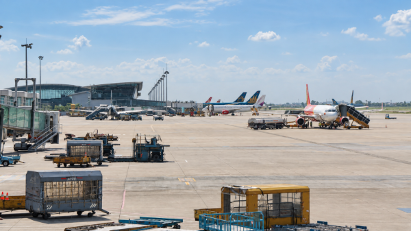
The Civil Aviation Authority of Vietnam requires airports, airlines, and related units to maintain 24/7 readiness, review infrastructure, prepare rescue forces, and proactively adjust operational plans to ensure safety in response to the developments of heavy rain and flooding in the country’s Central Region...
The Ministry of Construction has instructed the Airports Corporation of Vietnam (ACV) to finalize operational plans for Phase 1 of Long Thanh International Airport while reviewing progress across key items, legal frameworks, and connecting transport infrastructure.
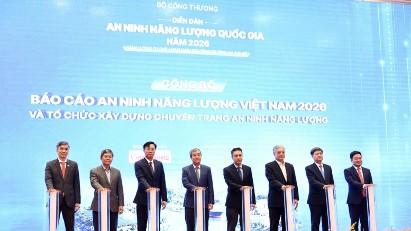
Among the 177 countries surveyed in the Energy Security Report, as of November 9, 2026, 102 countries (57.6%) were experiencing energy-related difficulties. Only 13 countries managed to maintain a stable energy security status, and Vietnam was one of them.
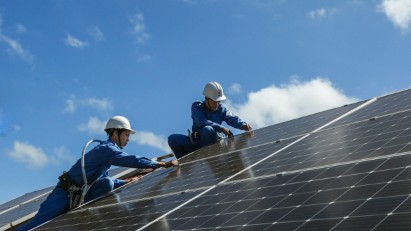
Under Decision No. 2946/QD-BCT, the framework applies to solar power plants specified in Circular No. 09/2025/TT-BCT and divides the country into three pricing regions: Northern, Central, and Southern Vietnam.