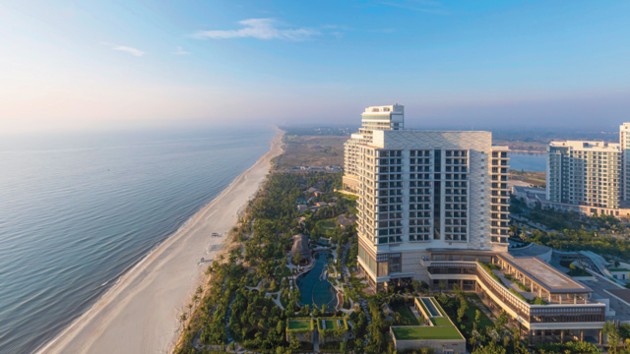
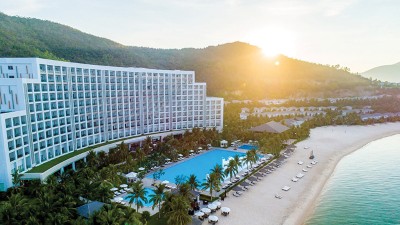
Vietnam’s resort real estate market is shifting toward integrated destinations built around connectivity, experiences, and long-term operational value.
While the accommodation sector is in good shape on the back of strong tourism demand and rising room rates, providers must remain attentive to the changing nature of tourist preferences.
The central province's authorities has issued a plan for developing the foreign-invested economy, moving away from investment attraction based primarily on volume towards projects offering greater technological value and stronger contributions to the local economy.
The government is conducting comprehensive reviews across real estate, land management, petroleum, electricity, pharmaceuticals, medical devices, and agriculture to eliminate unwarranted markups, cut intermediary layers, and raise regulatory oversight efficiency.
The northern province of Ninh Binh surpassed its full-year tourism targets in the first nine months of 2026, welcoming over 20.95 million visitors and generating $879.16 million in revenue as local authorities and businesses advance infrastructure, digital transformation, and smart destination models.
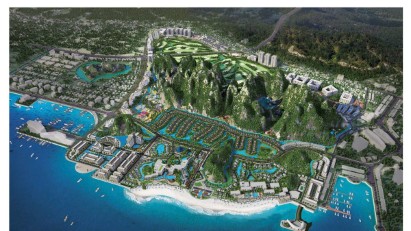
The high-end tourism, resort and entertainment complex, golf course and residential area is planned to include 236 villas, 257 townhouses, more than 2,600 high-rise apartments and 606 social housing units.
Dr. Ha Van Sieu, Deputy Director of the Vietnam National Authority of Tourism, tells Ngoc Lan about quality and value as drivers of retaining tourism spending in Vietnam.
The fair forms a key component of the northern mountainous province’s 2026 trade, investment, and tourism promotion series, held alongside the International Investment Promotion Conference between Dien Bien and its neighbors - Luang Prabang (Laos) and Yunnan (China).