


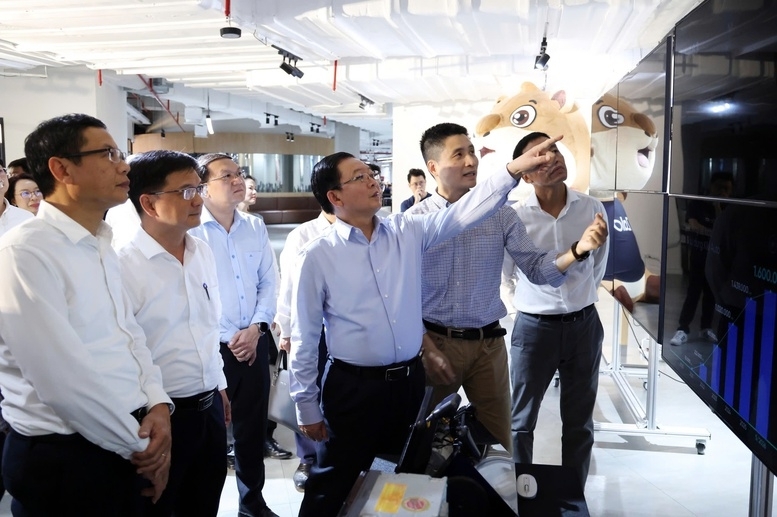
Deputy Prime Minister Ho Quoc Dung visited and held working sessions with Zalo Platforms, VNG Group, and Real-Time Robotics Vietnam on May 7 to discuss the development of high-tech industries.
During his visit to Zalo Platforms, the Deputy PM inspected the server infrastructure at the VNG Data Center and experienced the "KiLM" Large Language Model (LLM) and various Vietnamese virtual assistants firsthand.
He noted that the KiLM model—trained from scratch by Vietnamese engineers on domestic computing infrastructure—along with the Digital Citizen Assistant and Kiki Auto, serves as concrete evidence of the growing capability of Vietnamese enterprises to master and commercialize advanced technology. He emphasized that the strategic focus on Vietnamese-centric AI and data, tailored to the specific needs of the Vietnamese people, is a highly appropriate and strategic direction.
Addressing business proposals, the Deputy PM said that the Ministry of Science and Technology is currently drafting a Decree on high-tech policies, which will establish mechanisms to ensure businesses in this sector can truly thrive.
He instructed the ministry and relevant agencies to incorporate specific policy groups into the draft, including: import-export tax incentives for components and supporting parts; corporate income tax breaks for high-tech investments and priority products; personal income tax incentives for experts and Research and Development (R&D) personnel; and favorable land use policies.
Looking ahead, he urged Zalo Platforms and VNG Group to continue their pioneering roles, focusing on improving model quality and expanding AI applications into practical fields, while strictly adhering to AI ethics, system safety, and data security standards.
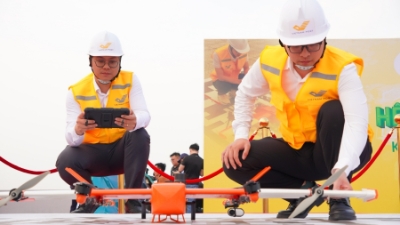
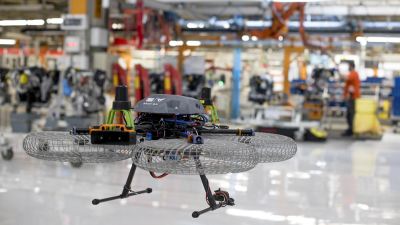
Later, at Real-Time Robotics Vietnam (RTR), Deputy PM Dung observed the R&D and manufacturing processes for Unmanned Aerial Vehicles (UAVs), cameras, gimbals, and flight controllers.
RTR is the first Vietnamese company to export UAVs to the United States and Europe. Its products are 100% invented, designed, and manufactured by Vietnamese nationals. The company holds four patents in the US and Australia, with several more pending, and has mastered 7.5 out of 9 core UAV technologies.
The Deputy PM highly commended RTR as a Vietnamese science and technology enterprise directly contributing to socio-economic development, national defense, security, and search and rescue operations. He praised the company’s resilience in investing in R&D despite challenging conditions, which has allowed them to master core technologies and create internationally competitive products.
Highlighting RTR's commitment to achieving 100% mastery of core technologies by December 2027, the Deputy Prime Minister encouraged the company to become the "flagship" and leader of the Vietnamese UAV ecosystem.
He stated that starting from practical needs to solve large-scale problems is the correct path for developing strategic technology products, ultimately enhancing national competitiveness.


 Google translate