


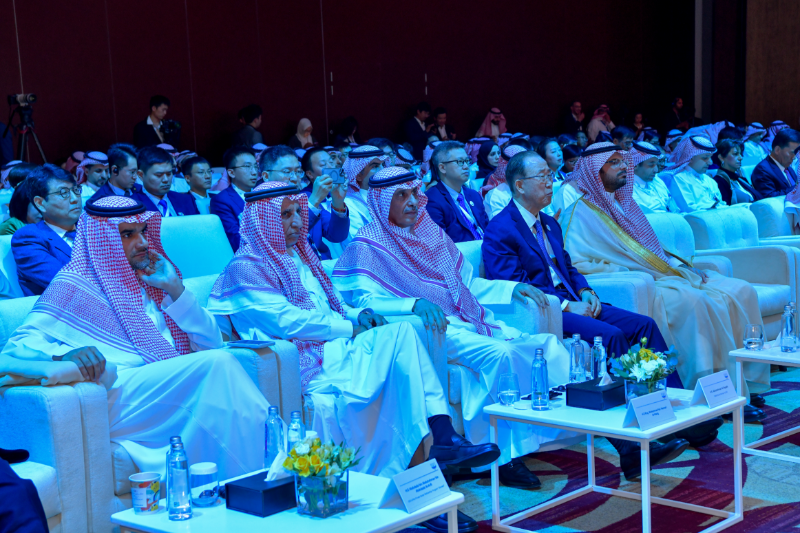
The Boao Forum for Asia (BFA) Riyadh Conference, co-hosted recently by global company in diversified chemicals SABIC in Riyadh, Saudi Arabia, brought fresh perspectives and valuable experience from the Middle East region, which is witnessing dramatic changes in its economic and social structure.
At a roundtable talks on “Energy Transition and Sustainable Development” within the framework of the BFA Riyadh Conference, Mr. Abdulrahman Al-Fageeh, CEO and Executive Board Member of SABIC, Board Member of BFA, emphasized the importance of energy transition in the context of sustainable development.
e said that to achieve this goal, economy is one of the main factors of sustainable development. According to Mr. Al-Fageeh, the economy can be built on two main sources: manufacturing and services. Both of these sectors need to rely on four pillars to develop: cost competitiveness, technology and innovation, regulation and infrastructure.
Of which, cost competitiveness is an important factor to promote growth and development. However, over the past decade, many developed regions such as Europe have witnessed a significant increase in energy prices and stocks, reducing economic competitiveness.
Mr. Al-Fageeh affirmed technology and innovation is especially important in the chemical industry. Investing in technology and innovation is not only a cost but also a strategic investment for the future. However, many companies still see this as a financial burden rather than an opportunity for growth.
Regulation is the third pillar, with many regulations being issued that can cause uncertainty and slow down economic growth.
Finally, infrastructure, mainly invested by governments and semi-governmental organizations, needs to be developed to support the economy.

The environment is the second factor that needs to be focused on in sustainable development. “A clean and healthy environment is a goal that all of us, from individuals to businesses and governments, need to strive for,” said Mr. Al-Fageeh. “Reducing, even eliminating, toxic emissions to the air, land and water is a big challenge. In particular, carbon footprint reduction and decarbonization have become important strategic goals for manufacturing and service industries. SABIC has pioneered the development of technology to capture and purify CO2 for use in the production of beverages and industrial products.”
In addition, water conservation is also an urgent issue. “Water is a gift from nature, and we need to use it more efficiently, reducing consumption in industry,” Mr. Al-Fageeh noted. “Raw material waste is also a major problem, affecting the environment. The obvious solution is recycling. SABIC has developed processes to recycle plastics into pyrolysis oil, which can be reused in production. This approach was adopted by the G20 during the Saudi Arabian presidency in 2020 and should be applied globally.”
Socially, building strong relationships through globalization, cooperation and partnership is essential. Good governance is not only essential for publicly listed companies but also for all organizations and government agencies. Viability is important, everyone deserves to live in a safe environment and have access to basic needs. “We need to ensure that every person, animal and plant on earth has the opportunity to live in a safe and healthy environment. Equity and inclusion are also essential,” Mr. Al-Fageeh added.
Notably, understanding the future generation is an important part of society. The majority of the population is the young generation, especially in Saudi Arabia where more than 60-70 per cent of the population is under 50 years old. We need to understand how they think and work from there. “We must believe that today’s young generation are the leaders of tomorrow,” said Mr. Al-Fageeh.
In Middle East, the SABIC Plastics Application Development Center (SPADC) in Riyadh is among SABIC’s largest application development facilities. Covering an area of around 42,000 sq m, it operates as a Center of Excellence for automotive, packaging, consumer, construction, signage, and compounding, supporting innovation across key sectors, including packaging, electrical & electronics, healthcare & hygiene, building & construction and automotive.
SPADC, which functions from a LEED Gold-certified building, brings together highly skilled scientists and technical teams, besides state-of-art fabrication and testing facilities. Through its advanced infrastructure and strong innovation capabilities, SPADC synergizes with the expanding network of SABIC’s Technology & Innovation centers around the world.
In addition, SPADC provides a level of support to customers, helping them optimize their application solutions. It seeks to foster a collaborative environment for academia and SABIC to come together and provide novel solutions to the world's pressing problems, like technological and sustainability challenges.
In addition, Home of Innovation is SABIC’s growth initiatives to stimulate localization within the National Industrial Strategy and contribute to the realization of Saudi Vision 2030. By integrating marketing, innovation, and technology, it creates demand, promotes downstream industry development, and offers a platform to showcase SABIC’s global innovations while identifying new market opportunities and developing corresponding solutions.
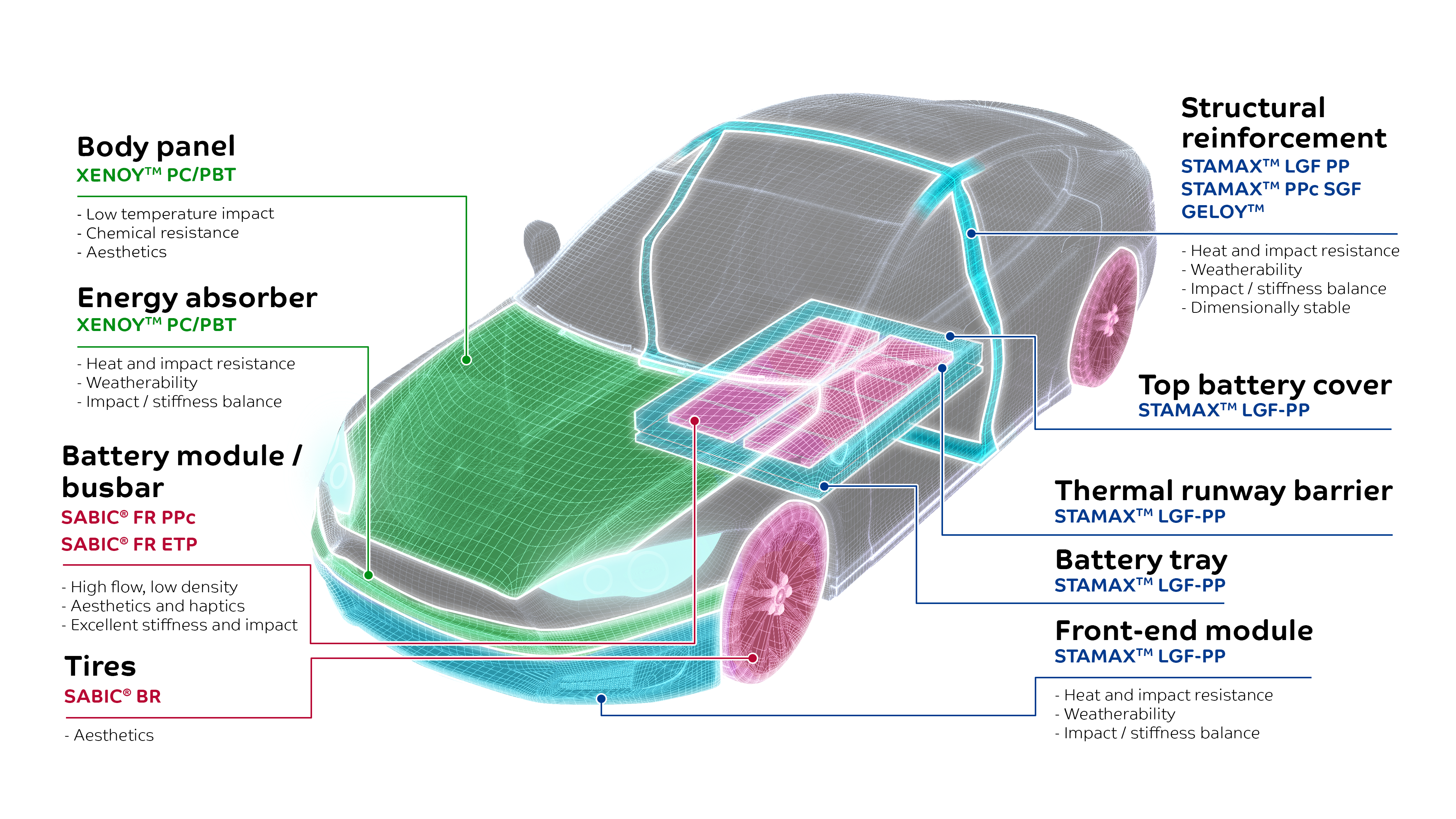
Home of Innovation, which spans 3,000 sq m, encompasses a Collaboration Center, a High-Performance Demonstration Center, and a Technology Showcase Area, featuring real-world applications of high-performance materials, products, and systems integration through an engaging visitor experience.
The Demonstration Center is the first LEED-Platinum certified residential building in the Middle East. It generates more energy than it consumes and emphasizes the use of innovative materials and technologies to enable the application of renewable energy.
To date, 44 companies from 12 different countries, falling under Saudi Arabia’s National Industrial Strategy, are participating in the program. Since its inauguration in 2016, Home of Innovation has welcomed nearly 11,000 visitors from around the world, spanning diverse industries and backgrounds.
In conclusion, lessons from the Middle East are not only valuable experiences but also strategic directions for other countries on the path to sustainable development. Applying these principles will not only improve the economy, but also protect the environment and build a fair and inclusive society. In the context of globalization and climate change, these efforts are not only necessary but also urgent to ensure a sustainable future for all.
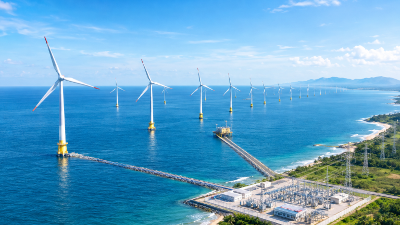
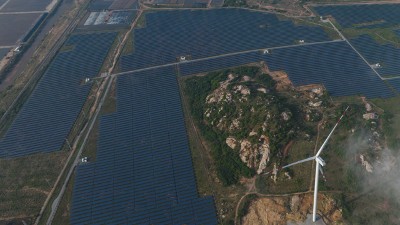
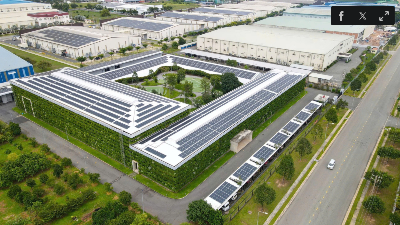
In the context of the world accelerating the process of reducing carbon emissions, Vietnam is entering a period of strong energy transition. Resolution 55-NQ/TW of the Politburo has determined to develop energy “in a fast and sustainable manner, one step ahead”, associated with environmental protection, ensuring national defense and security, and using it economically and effectively. Science and technology are therefore considered strategic spearheads, contributing to shifting the economy from dependence on fossil fuels to a clean, smart and sustainable energy model.
The period 2021 - 2030 is considered a pivotal decade for Vietnam to improve its science and technology capacity and carry out a comprehensive energy transition.

 Google translate