


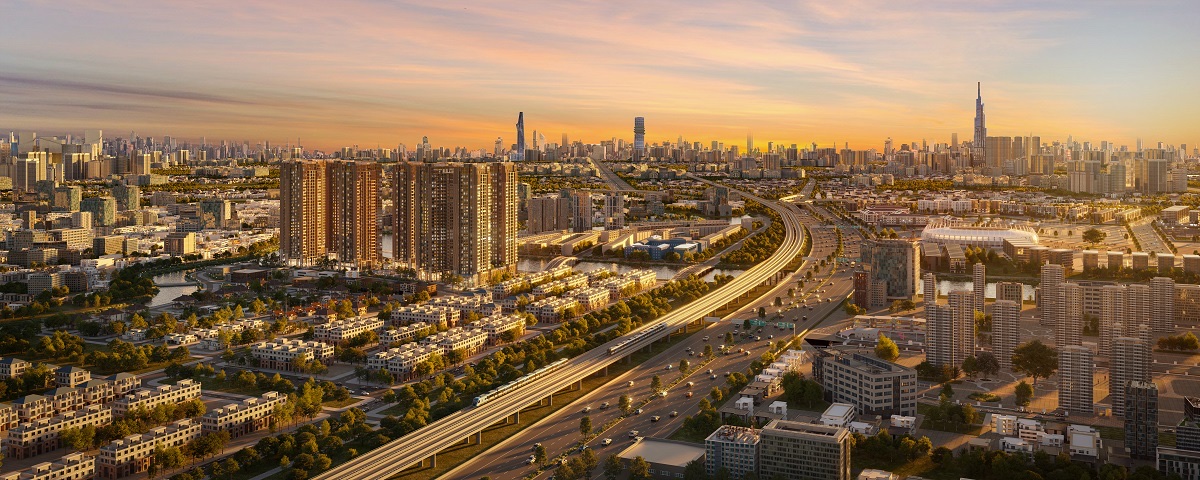
According to the ‘City Pulse 2025: The Magnetic City’ survey by the Gensler Research Institute, Ho Chi Minh City ranks second among 65 cities worldwide in retaining residents. Based on responses from more than 33,000 participants, the city’s appeal lies in its modernity, vibrancy, and openness - qualities that encourage newcomers to stay.
The housing challenge of a megacity
Ho Chi Minh City is entering a new stage of development marked by urban expansion, improving quality of life, and growing attractiveness as both a career destination and a long-term place to live. Alongside rising investment and the formation of economic and technology hubs, the city is drawing increasing numbers of international entrepreneurs, experts, and knowledge workers, particularly in finance, technology, and international trade.
This shift raises a central question: what standards should living spaces meet in a fast-moving megacity?
Where housing once focused primarily on comfort and convenience, the expectations of today’s global professionals have evolved. Flexible working models are driving demand for living spaces that can adapt accordingly.
The concept of “Flexible Work – Flexible Life” reflects a lifestyle shaped by adaptability. Increasingly, residents seek environments that support living, working, and recovery within a single setting. For professionals balancing frequent meetings and travel, proximity to the city center combined with a sense of calm has become a decisive factor.
In Ho Chi Minh City, however, this balance is difficult to achieve. As central land becomes scarcer and construction density rises, such balanced living environments are becoming increasingly scarce amid rising density and accelerated urbanization, particularly as the city accelerates the development of its international financial center.
Urban development experts note that a global financial center cannot rely solely on technical infrastructure or financial institutions. High-quality living infrastructure is equally essential to attract and retain international talent and investors. In this context, real estate serves as a bridge between economic growth and quality of life, with internationally planned urban areas contributing to long-term competitiveness.
Redefining living standards for global professionals
Against this backdrop, not all luxury developments carry equal weight. As high-end supply expands, projects that align closely with real demand, particularly those supporting the operational needs of financial centers and major economic hubs, are more likely to sustain long-term appeal.
Located next to the Ho Chi Minh City International Financial Center in Thu Thiem, The Privé has drawn market attention as one of the few primary luxury projects to complete legal procedures and offer long-term ownership, including for foreign buyers. Its location enables efficient access to key financial, cultural, and commercial areas while remaining integrated into the broader urban structure of the city.
Beyond connectivity, the project’s value is reflected in its spatial planning. Surrounded by the river on three sides, the site benefits from a rare natural microclimate. Open-design towers allow natural light and river breezes to flow into each apartment, while a construction density of approximately 25 per cent leaves most of the area dedicated to green spaces and water features, creating a sense of calm within the urban core.
Here, nature is not simply decorative but integral to daily life. International studies have shown that riverside and green living environments can reduce stress, improve concentration, and support mental recovery - key considerations for knowledge workers and entrepreneurs.
Apartment layouts are designed to balance privacy and flexibility, with spaces suitable for both focused work and social interaction. Features such as soundproof, heat-insulating Low-E glass and layered security systems further shield residents from the surrounding urban pace.
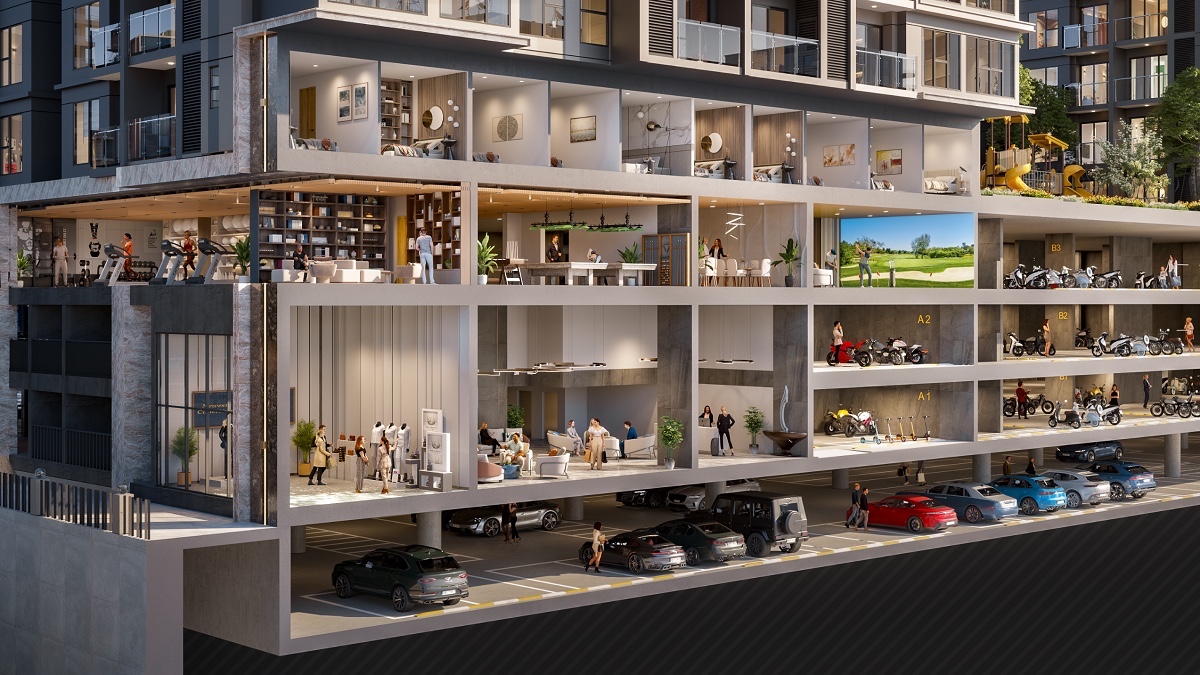
Internal amenities function as extensions of the living environment. Facilities include dining venues, co-working spaces, recreation, and health services, enabling residents to integrate professional and personal activities seamlessly. Shared spaces are designed to adapt from private settings to open, contemporary environments, reflecting modern business practices.
As centrally located residential supply continues to tighten, such developments are increasingly positioned not just as places to live, but as long-term platforms supporting the evolving lifestyles of the urban professional class.
For more information, visit the project’s official website: theprive.vn
 Google translate