


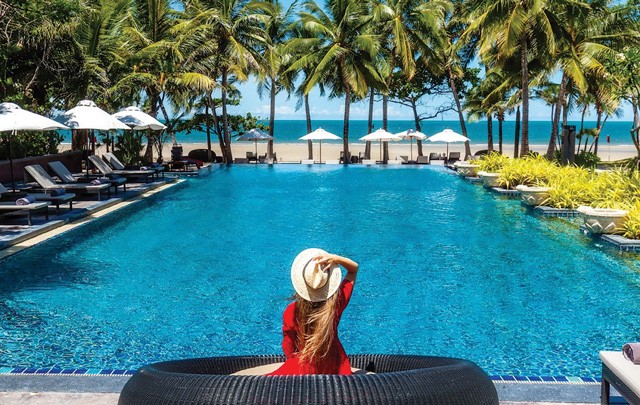
Longevity tourism is rapidly emerging as one of the most lucrative segments of luxury hospitality, as travelers increasingly seek stays that promise to extend their healthspan rather than simply provide an escape from everyday life. Hotels and resorts are reshaping their offerings around preventive medicine, advanced diagnostics, sleep optimization, recovery therapies, and personalized programs designed to support healthy aging.
Published by HospitalityNet, a 2025 analysis by RLA Global and HotStats covering more than 12,000 hotels found that properties offering comprehensive wellness services generated more than double the revenue per available room (RevPAR) of hotels without comparable services in 2024. The analysis also projects that the longevity tourism market will reach $44 billion by 2030.
Longevity resorts on the rise
By 2035, the share of older consumers and travelers is expected to continue increasing. Multigenerational travel will also grow, while business travelers will span five or more decades of age. Optimizing energy and value, rather than simply time and activities, will become a key factor in how travelers choose destinations and make bookings.
New longevity-focused offerings at hotels range from traditional medicine to intravenous therapies, therapeutic beds, and advanced biotechnology-based recovery treatments. In the US, an estimated 800 accommodation units with integrated longevity services are currently operating, offering services including full-body scans, genetic testing, hormone optimization, regenerative therapies, and personalized wellness programs.
The model differs significantly from medical tourism, focusing on early detection, prevention, and long-term health optimization rather than treating illnesses after symptoms emerge. At leading destinations, brands including Lanserhof Sylt, SHA Wellness Clinic, and Clinique La Prairie offer multi-day treatment programs in luxury resort settings. According to Growth Market Reports, the longevity tourism market is currently valued at around $18 billion and is projected to reach $48.2 billion by 2033.
In Japan, the newly-opened Pasona Natureverse resort on Awaji Island in Hyogo prefecture, which opened in June, offers a holistic approach combining nutrition, exercise, and sleep, alongside sensor-equipped beds and an on-site clinic operated in partnership with Kobe University Hospital.
In Okinawa - a “Blue Zone” known for the exceptional longevity of its residents - the Halekulani Okinawa luxury resort will expand its longevity offering this October. Its week-long program is designed to help guests better understand how their environment and daily habits can support long-term health. Meanwhile, pharmaceutical companies including Saishunkan Pharmaceutical have also moved into tourism, launching hotel partnerships in April this year.
At Four Seasons Hotel Singapore, Chi Longevity occupies an entire floor of the property, providing longevity-focused services to guests across age groups. Its clients are primarily middle-aged people thinking about the next decades of their lives. “Clients aged 45 to 60 begin to recognize hereditary conditions in their families as they watch their parents become frailer,” according to a representative from Chi Longevity. “Preventive, precision, and regenerative medicine can create personalized experiences for both older adults and their children.”
Wellness in travel and investment
At the recent MTE Hanoi 2026 conference, Ms. Nhung Pham, Associate Director, Southeast Asia, at Savills Hotels, presented a broader picture: the rise of the “silver economy.” By around 2036, when people aged 65 and above are projected to account for 14 per cent of the population, Vietnam will transition from an “aging” society to an “aged” society. By 2050, people aged 60 and above could account for more than one-quarter of the population.
However, population aging is not simply a story about people over 60. “Today, as many as seven generations live alongside one another, from Generation Beta to the oldest generations,” Ms. Nhung said. “At every age, we want to maintain our health, independence, vitality, and social connections for as long as possible. This brings us to changes in resort real estate, because where we live, work, and stay when we travel all affect our health and quality of life.”
Mr. Miguel Fernandes and Mr. Quan Pham, Principals at Aedas, have also observed this shift through various models, including age-friendly residential developments, multigenerational resorts, and hotel projects incorporating wellness services.



 Google translate