



The rapid growth of wellness tourism is putting pressure on the tourism sector to standardize quality management and strengthen medical risk controls. Establishing a clear legal and professional boundary between “healthcare and recovery” and “medical intervention” is essential to protect visitors and build a credible, sustainable tourism product chain.
The “Wellness Tourism Development in Vietnam to 2030” proposal, being developed by the Vietnam National Authority of Tourism (VNAT), aims to preserve and promote natural resources, traditional medicine, indigenous knowledge, and ethnic cultural values while supporting related sectors such as healthcare and medicinal agriculture.
Potential from healthcare capacity
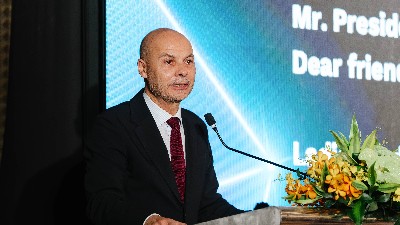
Speaking at a workshop on the VNAT proposal, in Lao Cai on September 16, Dr. Duong Huy Luong, Deputy Head of the Department of Medical Service Administration at the Ministry of Health (MoH), reiterated the healthcare sector’s position that activities involving techniques within the scope of medical examination and treatment must be carried out at licensed medical facilities by appropriately-licensed practitioners, in accordance with the 2023 Law on Medical Examination and Treatment and related regulations. Wellness services outside this scope are governed by relevant sector-specific laws and business conditions.
Establishing these principles at the policy-making stage, he continued, would help businesses understand their operating requirements, reduce legal risks, and give travelers clearer information about services involving medical expertise. It would also provide local authorities with a consistent basis for guidance and inspection.
The healthcare sector supports wellness tourism development, citing its significant potential. As of 2025, Vietnam had more than 2,000 public and private hospitals with nearly 340,000 beds, equivalent to 33.8 beds per 10,000 people, and more than 105,000 doctors. The specialized healthcare system includes 103 specialized hospitals, 13 of which have achieved the highest technical level, concentrated in three national specialized healthcare centers in Hanoi, Hue, and Ho Chi Minh City.
Vietnamese practitioners have mastered complex techniques such as robotic and minimally-invasive surgery, organ transplantation, cardiovascular intervention, oncology, assisted reproduction, and specialized ophthalmology, otolaryngology, and dental procedures. Some have attracted foreign medical teams seeking to learn from Vietnamese expertise, supporting the development of specialized medical centers and international patient services.
Vietnam also has a strong foundation in traditional medicine, rehabilitation, and elderly care. The country has 65 specialized traditional medicine hospitals, while 82 per cent of general hospitals have a traditional medicine department or unit. Domestic medicinal resources include around 3,850 plant species and 406 animal species used for medicinal purposes.
Demand for elderly care is also rising with population aging. The segment can involve longer stays and stable spending, while allowing resorts to work with medical facilities, although it requires higher safety standards.
Healthcare and tourism sector figures estimate that around 300,000 international visitors use medical services in Vietnam each year, including foreign residents and visitors traveling to the country for treatment. Ho Chi Minh City accounts for around 40 per cent, followed by Hanoi, while Da Nang, Hue, and Khanh Hoa are developing products around resorts and traditional medicine.
However, Mr. Luong said standardized products remain limited and generally small in scale, with weak links between medical services and accommodation or resorts. Cooperation between medical facilities and travel companies is also mostly limited to individual programs rather than long-term partnerships. While Vietnamese practitioners have strong professional expertise, specialized foreign-language and international customer service skills have not kept pace with demand.
The healthcare sector therefore believes wellness tourism should put patients and service users at the center, ensuring safety, quality, and their rights throughout the service experience.
Putting travelers at the center
Wellness travelers often use services far from home and may have limited information about providers or their professional capabilities. Service information should therefore be complete and easy to understand, with procedures for handling unexpected situations prepared in advance. Complaint and dispute resolution mechanisms must also protect users’ rights. For international visitors, language and cultural differences should be considered from the product design stage.
Wellness tourism must also not undermine domestic residents’ access to essential healthcare. Medical personnel, hospital beds, and equipment must first serve public health needs.
Tourist services should therefore be organized without reducing access or quality for local residents, particularly at facilities facing high demand in certain specialties. Mr. Luong said capacity should instead be expanded through investment, socialization, and private sector development, rather than redirecting existing resources toward higher-paying visitors.
The MoH also stressed that activities involving medical expertise must comply with laws governing medical examination and treatment, pharmaceuticals, and professional practice. The same technique should face the same operating requirements whether provided at a hospital or resort, regardless of how the service is commercially branded.
Using the term “wellness” for activities that effectively constitute medical treatment could create risks for travelers and disadvantage compliant providers. The principle should therefore be incorporated into regulations governing wellness tourism.
Traditional medicine and regional cultural identity are another potential advantage, provided they are developed on the basis of scientific evidence, medicinal safety, and professional requirements. Vietnam’s indigenous knowledge and diverse medicinal resources could support distinctive wellness products.
To develop this advantage sustainably, the sector needs to control the origin and quality of medicinal materials, ensure practitioners meet professional requirements and manage claims about the benefits of treatments and products. Unverified materials or exaggerated claims could undermine confidence in traditional medicine.
Dr. Truong Sy Vinh, former Deputy Director of the Institute of Tourism Development Research at VNAT, said the growing integration of wellness into tourism is creating more diverse and complex practical issues.
One key challenge is distinguishing wellness from medical tourism. Resorts, spas, yoga, meditation, light exercise, mineral baths, and healthy eating are generally easy to classify. The boundary becomes less clear when products include specialized nutritional counseling, rehabilitation, acupuncture, psychological therapy, or other services involving medical expertise.
The distinction should therefore be based not simply on the name of a service, but on its purpose and nature. Clear definitions can prevent products from being marketed beyond their actual scope while helping travelers understand what they are purchasing.
Because many wellness services directly affect visitors’ physical and mental condition, quality also depends on safety and reliability, not just facilities, service, or customer satisfaction. Activities such as exercise, yoga, hot springs, massage, and dietary programs may suit some people but not others, requiring careful design and clear guidance.
Alongside the “Wellness Tourism Development in Vietnam to 2030” proposal, the healthcare sector is also developing a draft “Medical Tourism Development for 2026-2030” proposal. Its goal is to make medical tourism a contributor to socio-economic development while strengthening Vietnam’s healthcare system. By 2030, the proposal aims to develop Vietnam into a competitive medical tourism destination in Southeast Asia, gradually raise its profile in the wider Asian market, establish an integrated high-quality service chain, and build a national medical tourism brand.
It also targets a satisfaction rate of at least 90 per cent among international medical tourists and around 750,000 international medical tourists. Direct revenue from medical and healthcare services is projected at around $1 billion, while total spending by medical tourists and accompanying persons is expected to reach around $2.5 billion.
According to the UN World Tourism Organization and the European Travel Commission, health tourism is an umbrella concept covering travel aimed at maintaining, improving, or restoring health, with wellness and medical tourism representing two distinct forms.
Wellness tourism generally targets healthy travelers seeking to maintain their physical condition, reduce stress, prevent illness, and improve quality of life through services such as wellness resorts, mineral baths, herbal therapies, meditation, yoga, healthy diets, and natural treatments.
Medical tourism, by contrast, serves people seeking medical examination and treatment, including screening, procedures, surgery, disease treatment, and rehabilitation, provided by licensed medical facilities under professional direction.





 Google translate