


Vietnam’s tourism market is experiencing strong growth, with data from the National Statistics Office at the Ministry of Finance showing the country welcomed 15.9 million international visitors in the first eight months of 2026, up 14.4 per cent year-on-year. Alongside this rising influx of travelers, demand for wellness and mental recovery experiences is also gaining momentum.
As domestic and international travelers increasingly seek experiences that support physical and mental well-being rather than conventional leisure, Vietnam’s tourism sector faces a growing need to develop a comprehensive wellness ecosystem. This goes beyond standalone spa or hot spring services, requiring closer links between tourism, healthcare, culture, herbal medicine and sports. To advance this agenda, the Vietnam National Authority of Tourism (VNAT) has begun laying the policy groundwork through the development of its “Wellness Tourism Development in Vietnam to 2030” proposal.
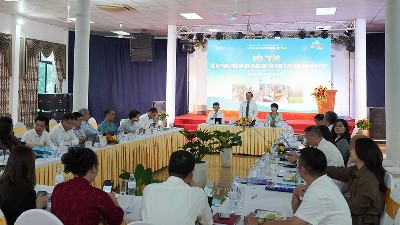
As part of this effort, VNAT held a scientific workshop on September 16 in northern Lao Cai province to develop the proposal, bringing stakeholders together to discuss the direction and framework for wellness tourism through 2030.
Beyond a tourism product
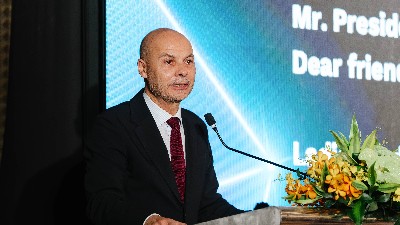
Addressing the workshop, Mr. Ha Van Sieu, Deputy Head of VNAT, said the growth of tourism is opening up new opportunities for the wellness sector. Travelers are no longer simply looking for sightseeing and relaxation, but are increasingly interested in improving their health, achieving balance, and enhancing their quality of life.
Vietnam also has a wide range of resources that can support wellness tourism, from beaches, forests, climate, and hot springs to healthcare, particularly traditional medicine, as well as cultural assets. According to Mr. Sieu, these resources provide a foundation for Vietnam to participate in the expanding global wellness market.
However, many of these advantages remain largely untapped. Wellness offerings are still fragmented, consisting mainly of resorts, spas, and standalone services. Links between tourism and healthcare, culture, sports, herbal medicine, nutrition, and science and technology remain underdeveloped. The sector also faces limitations in standards, service quality, specialized human resources, and cross-sector coordination.
The defining feature of wellness tourism lies in its purpose. Health should not merely complement a holiday but become a core objective of the travel experience. Products can focus on disease prevention, health improvement, physical and mental recovery, and quality of life.
This approach distinguishes wellness tourism from medical tourism while also setting it apart from conventional leisure offerings. A product may combine multiple elements, but its ultimate purpose must remain the care and improvement of a person’s health.
Beyond natural resources, culture is another important asset. Traditional medicine, herbal products, cuisine, meditation, wellness practices, folk knowledge, and community-based cultural values can add distinctive elements to tourism products. They also create opportunities to tap resources beyond the tourism sector.
From this perspective, tourism is not simply a means of bringing visitors to destinations but a way to connect resources and capabilities across sectors. Healthcare, culture, sports, agriculture, herbal medicine, and science and technology can all contribute to product development.
This interconnected approach calls for an ecosystem rather than a collection of standalone services. Mr. Sieu said a wellness ecosystem should involve multiple sectors and stakeholders, with tourism serving as a connector to create value. Wellness tourism therefore cannot be viewed through the lens of a single resource or service.
The approach is also aligned with emerging directions for tourism and healthcare development. Tourism is increasingly expected to focus on quality, higher value-added activities, green and smart development, innovation, cross-sector and inter-regional cooperation, and sustainability. Healthcare, meanwhile, is placing greater emphasis on disease prevention, health improvement, and quality of life.
The question, therefore, is not simply what resources Vietnam has for wellness tourism, but how effectively they can be connected and organized into marketable products. When resources remain fragmented across sectors and localities, abundant natural and cultural assets do not automatically translate into viable tourism products.
Packaging wellness resources
While the ecosystem provides a framework for connecting resources, products are what bring those resources to market. A destination with hot springs, natural landscapes, or herbal resources does not automatically have a wellness tourism product. The key is to organize these resources into experiences tailored to different visitor segments.
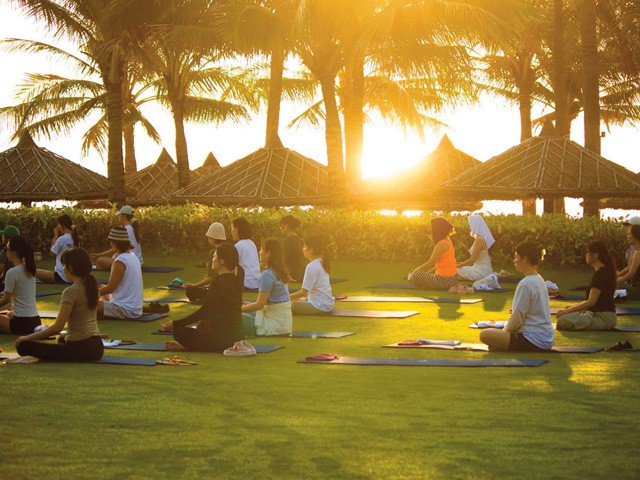
According to the “Wellness Tourism Development in Vietnam to 2030” proposal presented at the workshop, wellness tourism can be classified by experience, purpose, and type of service. Active offerings include yoga, meditation, outdoor sports, healthy eating, and detox programs, while passive offerings include spas, therapies, hot springs, and natural treatments. By purpose, products can focus on prevention, recovery, or holistic care.
Hot springs provide one example. Vietnam has around 400 mineral spring sources around the country, but turning a mineral spring into a wellness product requires a clear definition of the target customer, desired experience, and how it can be combined with other services. This is an area where travel companies could play a greater role in product design.
Dr. Nguyen Anh Tuan, Director of the Institute of Tourism Development Research at VNAT, proposed a framework of “one ecosystem - three product tiers - six policy pillars.” The three tiers comprise pure wellness tourism; wellness services with medical expertise; and medical tourism. The tiered approach is intended to apply management mechanisms according to risk levels, ensure safety and avoid unnecessary procedures for businesses.
The healthcare sector also sees a need for closer coordination with tourism authorities in developing standards, assessment, and certification mechanisms; standardizing service packages before, during and after trips; developing coordination personnel; and establishing shared databases, including safeguards for tourists’ health data.
“Northwest Wellness Belt”
Ms. Vu Thi Mai Oanh, Deputy Director of the Lao Cai Department of Culture, Sports and Tourism, said the province is seeking to establish a wellness tourism area around its existing advantages. The locality has developed a “Wellness Belt” to connect destinations and develop products centered on nature, wellness, and indigenous knowledge.
She added that Lao Cai is targeting international and high-quality visitor segments and believes wellness should be positioned as an official tourism product rather than a small niche. The province is also considering dedicated policies to support its development.
Hot springs are among the key resources, but the challenge lies not only in their availability but also in how they are identified and developed. Businesses need clear information on the location, coordinates, and mineral composition of hot spring deposits, as well as criteria for determining whether a water source qualifies as one. These uncertainties are affecting investment and efforts to attract investors.
Lao Cai therefore sees a need for a clearer framework for hot spring resources. The provincial Department of Culture, Sports and Tourism also noted that hot springs can support therapeutic activities year-round, including in summer. Without resolving these regulatory issues, wellness tourism will continue to face obstacles.
The province has taken initial steps to develop the model. Of the six stations planned under the Wellness Belt, two are now operational. Lao Cai has also organized a farm trip and introduced its first product targeting high-end visitors, priced at VND20 million ($770) per person per night.
However, these activities only reflect the early stages of development and are not sufficient to assess the model’s effectiveness. Lao Cai’s presentation highlighted broader questions about how such products can be brought to market.
The province has proposed that the development plan include a measurement framework and criteria for defining wellness tourism, along with a standardized wellness process and professional approach to product packaging. It has also called on the tourism and healthcare sectors to develop clearer standards so that businesses can assess investment requirements from the outset.
At the provincial level, Lao Cai issued Conclusion Notice No. 666 on June 24, 2026, assigning the Department of Culture, Sports and Tourism to work with local authorities to develop wellness tourism into a distinctive product. The province has also proposed participating in pilot programs for medical and wellness tourism.
The Lao Cai case shows that having suitable resources is only the starting point. Turning them into marketable products will require clearer criteria, resource development mechanisms, product organization, and inter-agency coordination. These are among the gaps the sector will need to address before wellness tourism can become an established market offering.
 Google translate