


Vietnam’s rapidly-aging population is creating new challenges for the social security system, particularly the need for comprehensive elderly care that combines physical and mental well-being. The existing gap between supply and demand for such services points to significant market potential for an integrated supply chain covering senior care, wellness resorts, and tourism.
From an economic perspective, this represents an important opportunity to develop the “silver economy.” Unlocking this potential will require a comprehensive legal framework and fully-connected infrastructure to build a transparent, standardized, and efficient service ecosystem capable of delivering sustainable long-term growth.
Elderly care
According to available data, Vietnam had more than 300 senior care centers catering to around 11,000 people as of 2024. In scale terms, the number of people served by these centers remains very small compared with the country’s overall elderly population.
A Vietnam Economic Times / VnEconomy survey found that senior care centers are currently concentrated mainly in major cities. While these facilities offer amenities, the models are still considered limited in terms of space where seniors can fully enjoy a broader range of care services. The challenge, therefore, is not simply the number of facilities but also service diversity and accessibility.
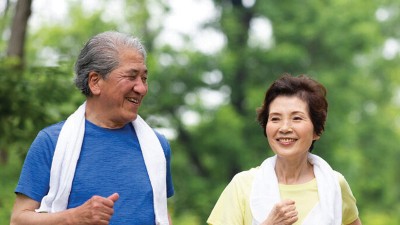
An elderly person may not necessarily want to move into a nursing home when the time comes. They may simply need a club where they can exercise each morning, a place to meet friends, a trip suited to their health condition, a regular healthcare program, or a community where they can participate in activities together. These seemingly everyday needs are creating a substantial market that continues to expand year-after-year.
Vietnam is expected to enter a period of population aging in 2036, when people aged 65 and over will account for 14.2 per cent of the total population. The number of elderly people is projected to reach 25.2 million by 2069. These figures show that senior care is no longer a niche need for individual families. It represents a major market serving a growing population group with distinctive consumption needs.
Recognizing the issue, Politburo Resolution No. 72/NQ-TW set a target of raising average life expectancy in Vietnam to 80 by 2045. Achieving this would require particular attention to elderly healthcare, including mental health, which is especially important. Whether they live with their children and grandchildren or independently, seniors continue to need social interaction, connection, and closeness with their families. These needs can become even more pronounced when health problems arise.
Against this backdrop, Party General Secretary and State President To Lam has suggested developing a model to “combat loneliness among the elderly,” emphasizing the need for proactive measures to extend people’s lives. “Children are very important, but the elderly are no less important,” he said. “We must pay close attention to solutions to this issue.”
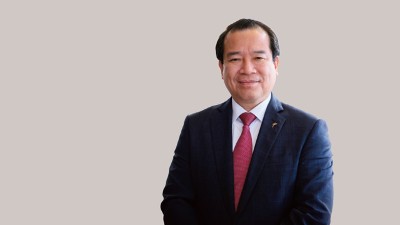
Taking this direction to heart, Mr. Dao Quang Binh, General Secretary of the Vietnam Economic Association and Deputy Chairman of the Editorial Board at Vietnam Economic Times / VnEconomy, said Vietnam needs to urgently prepare both the mindset and physical infrastructure needed to develop elderly care facilities linked to tourism and resorts. This would not only provide a humane solution to ease loneliness among seniors, but also serve as a strategic step toward sustainable development of the silver economy.
From a tourism perspective, this approach is also opening doors to new models, with resorts providing more than accommodation by incorporating wellness activities, neck and shoulder pain therapies, high-tech osteoarthritis treatment based on traditional medicine, herbal and essential oil treatments, and physical and mental rehabilitation activities.
If designed appropriately for seniors, such facilities could become an important link in an integrated care and resort service ecosystem for this customer group.
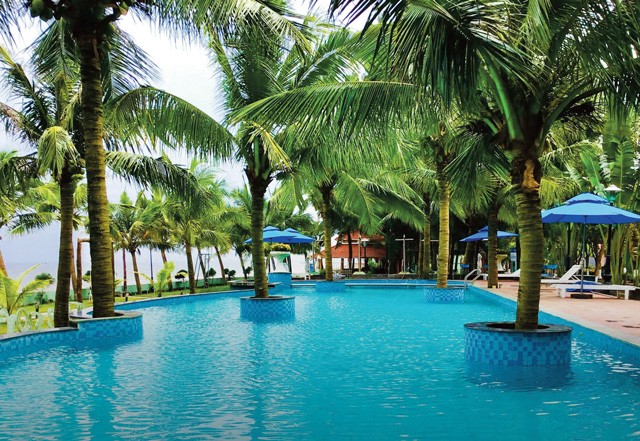
One recently launched tourism center following this approach is Linh Truong Viet Y Duong, which opened on September 15 at Eureka Linh Truong Resort in Hoang Tien commune, north-central Thanh Hoa province. The model combines resort accommodation with healthcare and wellness activities, including meridian therapy, acupressure massage, wellness exercises, and herbal treatments. Its process is structured around assessment, consultation, care, and rehabilitation.
The model features dedicated treatment rooms, equipment, and a medicinal herb garden, while developing healthcare services that combine the values of traditional Eastern medicine with modern technology.
Visitors can experience treatments such as meridian therapy, acupressure massage, wellness exercises, and herbal care. The process is designed to take guests from assessment and consultation through care, wellness, and rehabilitation, creating a healthcare journey within a resort setting.
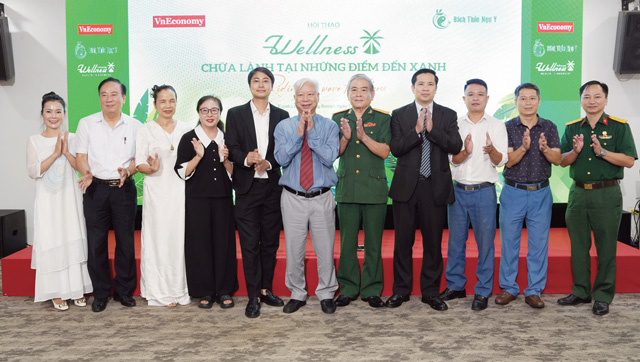
One notable feature of the model is its focus not on a single therapy but on building an integrated healthcare ecosystem within a resort environment. Visitors, particularly seniors, can combine rest and relaxation and experiences in nature with activities that support physical and mental well-being.
Toward experience
Located on the coast, Linh Truong Viet Y Duong also boasts favorable conditions for organizing outdoor activities suitable for seniors, including watching the sunrise, walking, practicing yoga on the beach, pulling fishing nets with local fishermen, and visiting fishing villages.
These gentle activities not only add experiences to a trip but also encourage seniors to stay active, socialize, connect with nature, and improve their mental well-being. The open and tranquil coastal environment also provides an advantage for combining rest with healthcare and relaxation.
As tourism gradually shifts from sightseeing alone toward experiences focused on health and quality of life, wellness products such as those recently introduced by Viet Y Duong could provide additional options for people seeking to combine resort stays with healthcare.
According to Dr. Vu Tien Dat, Director of the Bach Thao Ngu Y Institute for Research and Development, businesses seeking to develop wellness tourism need to diversify their offerings and accurately identify customers seeking proactive healthcare, energy recovery, and mental relaxation. For seniors, offerings need to be tailored to their physical activity levels, travel times, and healthcare needs.
“Seniors need open spaces and reputable, reasonably-priced healthcare facilities, but they also cannot travel too far because of their health condition,” Mr. Dat said. In his view, Linh Truong has favorable conditions for developing this type of tourism. Viet Y Duong benefits from its coastal setting, climate, and relatively-convenient distance from Hanoi, making it suitable for developing resort programs combined with healthcare for seniors rather than simply providing accommodation.

Vietnam needs to urgently prepare both the mindset and physical infrastructure needed to develop elderly care facilities linked to tourism and resorts. This would not only provide a humane solution to ease loneliness among seniors, but also serve as a strategic step toward sustainable development of the silver economy.
Dr. Pham Hoang Manh Ha, a lecturer in the Faculty of Tourism at Hong Duc University, said Vietnam has many favorable conditions for developing healing and health tourism, from natural resources and climate to its heritage of traditional medicine. However, for various reasons, the market remains underdeveloped in many localities relative to its potential.
More models such as Viet Y Duong are therefore needed, tailored to the conditions of each locality and connected to existing tourism and resort infrastructure. When healthcare models can link with accommodation providers, travel companies and tourist attractions, healing tourism can move beyond standalone products to form an integrated service chain.
The development of models such as Viet Y Duong not only adds care and resort options for seniors but also highlights a notable shift in the tourism market: travelers’ needs are increasingly extending beyond sightseeing and accommodation alone.
As healthcare, relaxation, and quality of life become part of the travel experience, wellness tourism products have greater room for development while creating incentives for businesses to invest in and build interconnected service chains spanning tourism, resorts, and healthcare.
However, some economists also argue that for tourism models combining elderly care to develop into a genuine service ecosystem, Vietnam needs a more open and appropriate policy framework to facilitate the formation and growth of healthcare tourism and resort models for seniors.
This should be accompanied by stronger participation from the business community, not only through investment in care facilities but also by building interconnected service chains that link accommodation, healthcare, transportation, recreation, and travel companies to develop tours and itineraries suited to the characteristics and needs of seniors.
When these components can be connected into an integrated ecosystem, seniors will have more legitimate, safe, and diverse options for healthcare, recreation, and maintaining their mental well-being.




 Google translate