



The Ministry of Finance's Department of Accounting and Auditing Management and Supervision has released a draft circular guiding accounting regimes for business households and individual businesses. This draft aims to address existing inadequacies in current regulations.
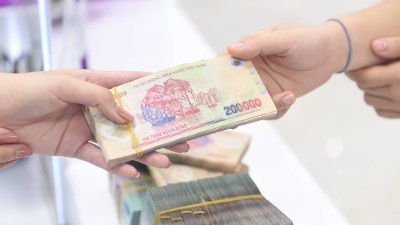
One significant change is that business households and individuals with annual revenue of VND200 million (nearly $7,600) or less (previously VND500 million) will not be subject to value-added tax (VAT) and personal income tax. Consequently, they will be exempt from maintaining accounting records. Instead, revenue recording will be done through detailed sales and service revenue books (form S1a-HKD).
For those with annual revenue between VND200 million and VND3 billion (nearly $114,000), who are subject to VAT and personal income tax based on a percentage of revenue, the draft requires the use of sales invoices and detailed sales and service revenue books (form S2a-HKD). Accounting records will be based on sales invoices.
The Ministry of Finance has stated that it will incorporate feedback to refine the draft, ensuring that business households not subject to VAT and personal income tax will not need to maintain accounting records. The draft will also clarify the accounting documents that business households can use, including invoices and other necessary documents to determine revenue according to tax laws.
The Vietnam Tax Consultants Association (VTCA) has proposed not to separate the accounting book models for business households at the two revenue thresholds. Instead, they suggest using one model for those using sales invoices and another for those using VAT invoices.
VTCA also encourages business households with revenue under VND200 million to voluntarily use sales invoices, which can then be used for accounting records. They highlight that revenue for non-taxable groups can change and exceed thresholds at any time, making it unnecessary to change book models when transitioning to taxable status.
The draft circular aims to simplify procedures, save time, and reduce costs for small business households with low revenue by allowing them to declare revenue instead of maintaining accounting records.

 Google translate