


Lawmakers on November 20 discussed the draft amendments to several educational laws and a resolution on special mechanisms and policies to implement the Politburo's Resolution No. 71-NQ/TW on breakthroughs in human resource development, education, and training as part of the 15th National Assembly’s 10th session.
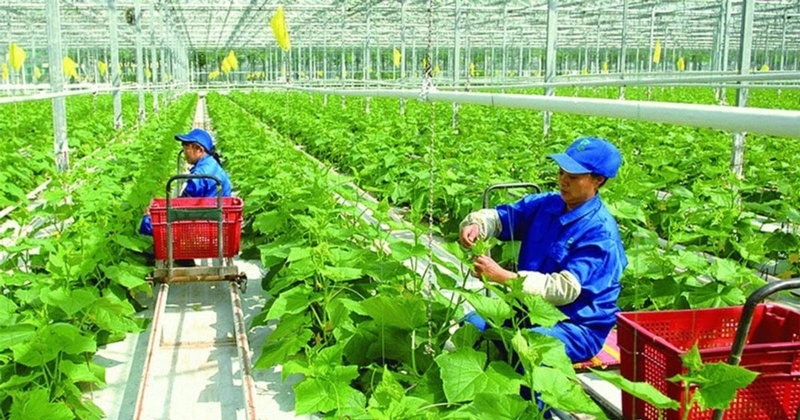
Deputy Nguyen Thi Lan from Hanoi highlighted the importance of prioritizing human resource development in agriculture and essential sectors.
Despite the significant demand from society and businesses, fields such as soil science, crop science, animal husbandry, plant protection, agricultural business, rural development, agricultural extension, disaster prevention, fisheries, and forestry struggle to attract young talent. These sectors are crucial for food security, climate change adaptation, and sustainable agricultural development. However, due to the demanding nature of the work, unattractive income, and insufficient policies, they fail to draw interest from students.
Drawing from international experiences, Ms. Lan suggested implementing priority mechanisms like targeted scholarships, preferential loans by sector, training orders, and substantial investments in laboratories and practical models. She also emphasized the need for enhanced collaboration between educational institutions and businesses to increase the appeal and ensure job prospects for graduates.
Additionally, Ms. Lan proposed establishing a national human resource demand forecasting mechanism by sector, with the Government responsible for periodically publishing these forecasts to guide training and resource allocation effectively.
Commenting on the draft amendments to several educational laws deputy Ly Thi Lan from Tuyen Quang focused on early childhood education, particularly in mountainous and ethnic minority areas.
She stressed that without addressing early childhood education, goals to improve educational quality cannot be achieved. The unique geographical challenges in these regions necessitate specific solutions, such as organizing main schools and satellite classes, ensuring staffing and minimum conditions for preschools in mountainous, border, and ethnic minority areas.



 Google translate