


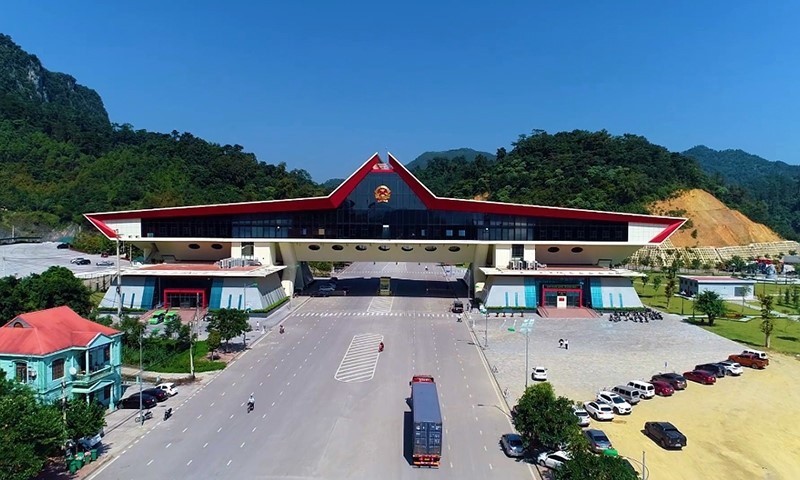
The People’s Committee of the northern mountainous province of Lang Son has announced the adjusted master plan for the Dong Dang–Lang Son Border Gate Economic Zone through 2045.
Approved by the Prime Minister under Decision No. 1855/QD-TTg dated September 25, 2026, the updated blueprint outlines the development of the zone into an integrated, modern cross-border economic hub.
Under the plan, the Dong Dang–Lang Son Border Gate Economic Zone encompasses Tam Thanh, Luong Van Tri, and Dong Kinh wards, along with Dong Dang commune; parts of Ky Lua ward; and sections of Cao Loc, Hoang Van Thu, Khanh Khe, and Chien Thang communes.
The total planning area covers 39,400 ha, implemented across two phases: short-term development through 2035 and a long-term roadmap through 2045.
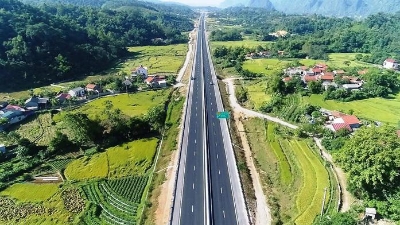
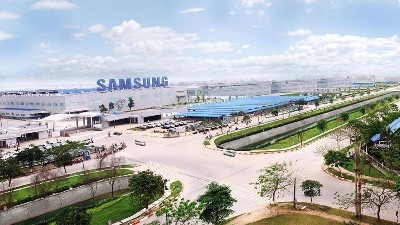
The zone's spatial development is structured into three distinct zones: Northern Zone: Border gate economy and urban settlements; Central Zone: Lang Son urban core expansion; and Southern Zone: Tourism, commercial services, and industrial manufacturing.
Notably, in the northern sector, the Huu Nghi International Border Gate is prioritized for transformation into a smart border gate model. The Tan Thanh area will focus on building the Tan Thanh Dry Port (ICD), gradually establishing a non-tariff zone and a cross-border economic cooperation zone once regulatory conditions are met.
According to Permanent Vice Chairman of the Provincial People's Committee Dinh Huu Hoc, the adjusted master plan aims to establish a synchronized development space, optimize regional competitive advantages, and serve as an official legal framework for administrative governance, investment promotion, and resource mobilization in the period ahead.


 Google translate