


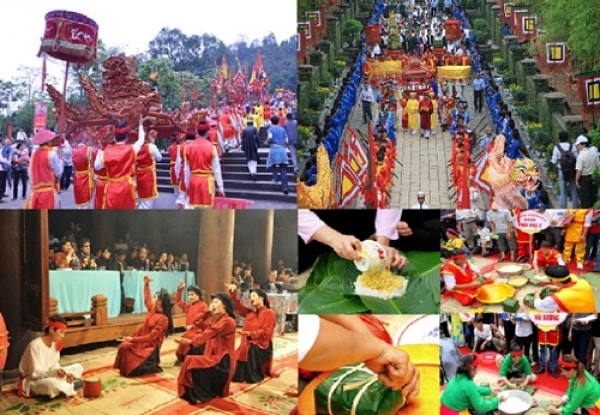
The 16th National Assembly, at the end of its first session, on April 24, approved a Resolution designating November 24 as Viet Nam Culture Day, a new paid public holiday.
This date marks the first National Cultural Conference held in 1946, under their chair of President Ho Chi Minh, more than one year after the country gained independence on September 2, 1945.
On the National Culture Day every year , entry fees to public cultural and sports venues may be waived or reduced, and citizens—especially young people—are encouraged to engage in cultural activities.
The Government is also preparing amendments to the Labor Code to formalize this holiday, according to the Government News.
The Resolution sets a target for cultural spending at a minimum of 2% of the State budget, alongside incentives to boost cultural industries.
These incentives include reduced VAT for activities like film production and sports services, and tax exemptions for bringing valuable Vietnamese cultural artifacts back from abroad.
The Resolution also introduces pilot "heritage urban area" models until 2035, with preferential policies to support preservation and cultural industry development.
Strong emphasis will be placed on safeguarding ethnic minority cultures, traditional arts, and national treasures, with increased funding, infrastructure investment, and integration of cultural content into major events and media.
The latest approval brought the number of paid public holidays in Vietnam to 14 including New Year's Day on January 1 (one day); Lunar New Year or Tet (seven days); Hung Kings' Commemoration Day(one day); Reunification Day on April 30 (one day); International Workers' Day (one day); National Day on September 2 (two days) and Culture Day (one day).
 Google translate